
Real Estate Tokenization. Ahead of 2026.
Real Estate Tokenization ahead of 2026: a global review of how property tokenization evolved in 2025 and what markets expect next.


2025 is coming to an end, and 2026 is just around the corner. Everyone is getting ready for the New Year: people are out shopping, buying food for the holiday table, wrapping gifts, and decorating their homes to create a cozy, festive spirit. As the year wraps up, it’s time for us to reflect on what happened in 2025. This article is for everyone interested in real estate tokenization – the practice of turning property into digital assets – and it will highlight the biggest changes in 2025 and what to expect in 2026. We also want to wish all our readers a very happy New Year and joyful holidays!
What Changed in 2025

Real estate tokenization means turning buildings and property value into digital tokens on a blockchain. In 2025, this concept moved from small pilot projects to more mainstream adoption around the world. The year saw new laws, innovative projects, and growing confidence in the idea that anyone can buy “shares” of a property digitally. For example, experts at Deloitte predict that the market for tokenized real estate could grow to over $4 trillion by 2035. Even today, the broader market for tokenized real-world assets (including real estate) reached over $33.9 billion on blockchain in 2025, showing that tokenization is no longer just a niche experiment. Here are the key developments by region that made 2025 a breakthrough year:
Asia
In 2025, Asia moved from “testing” to “shipping” real estate tokenization. The most important change was that big, regulated markets started to treat tokenized property as a normal investment product, not as a crypto experiment. That pushed projects to use clear investor rules, custody, and reporting — the same basics people expect in real estate funds.
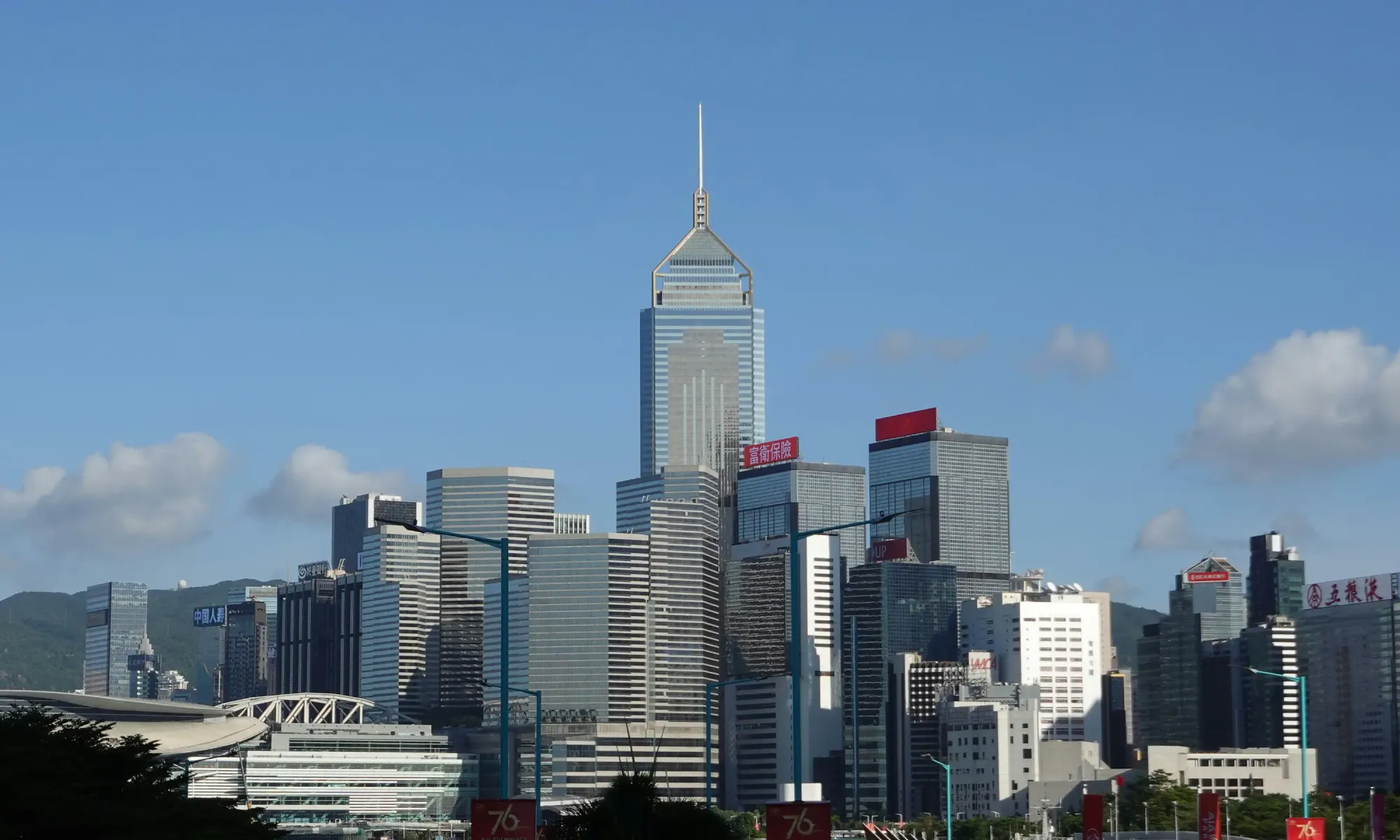
Japan gave one of the clearest “scale” signals of the year. Real estate firm GATES announced a plan to tokenize about $75M of Tokyo commercial property as a first step, and said the long-term goal could reach $200B (about 1% of Japan’s property market). That story mattered not only because of the number, but because it showed a mainstream property company trying to build a repeatable pipeline (not a one-off pilot).
Hong Kong delivered one of the most meaningful regulatory milestones in Asia for “tokenized real estate as a product.” In August 2025, Hong Kong’s regulator (SFC) approved what is described as the city’s first tokenized real estate investment fund, where qualified investors can buy fractional interests via blockchain-based tokens under existing fund rules. This is a big step because it looks like a blueprint: tokenized exposure, but inside a familiar legal wrapper.
Hong Kong also showed a second, more political lesson in 2025: tokenization can grow fast, but cross-border pressure can slow it. Reuters reported that China’s securities regulator informally told some Chinese brokerages to pause parts of their RWA tokenization activity in Hong Kong. For real estate tokenization teams, this is a reminder that even if one hub is open, the investor “pipes” from nearby markets can still change quickly.

Mainland-linked players still explored tokenization through Hong Kong. Reuters reported that Chinese property developer Seazen Group said it would explore RWA tokenization in Hong Kong by setting up a digital assets institute there. This is important because it shows why tokenization is attractive in Asia: it can be pitched as a new funding channel when traditional real estate finance is tight.
Finally, the “plumbing” improved across Asia in 2025, especially in Singapore. Even when a project is not directly real estate, stronger tokenized-market infrastructure helps real estate tokens later (custody, stablecoin settlement, collateral, and compliant venues). For example, DBS and partners announced work around tokenized money-market fund trading and stablecoin rails — the type of bank-grade setup that can support wider RWA activity over time.
Middle East
In 2025, the Middle East became the global “proof by government” region for real estate tokenization. The key shift was not only that private firms tokenized property, but that public authorities started building official rails: land registry links, licensing, and controlled pilots designed to expand later. Dubai was the clearest example.

Dubai’s Land Department launched the pilot phase of its real estate tokenization project in March 2025, describing the initiative as converting real estate assets into digital tokens recorded on blockchain to streamline buying, selling, and investing. The official DLD service page later framed it as a pioneering blockchain-based approach that enables fractional ownership and wider access. This is significant because it ties tokens to the state’s registration logic — the part most countries struggle to connect.
Dubai’s government-backed approach also shaped “retail-like” access in a controlled way. Tokenizer.Estate’s coverage of the Prypco Mint model describes minimum investments around AED 2,000 (~$540), with activity first limited to UAE ID holders and local currency, and the intention to expand later. Whether every volume claim holds across sources, the pattern is clear: Dubai is trying to make fractional real estate a normal, regulated product — not a niche crypto sale.
On the private side, the Middle East produced some of the biggest headline numbers of 2025. In May 2025, MultiBank Group and MAG (with Mavryk) announced a plan to tokenize $3B in real estate assets. MultiBank’s announcement described a structure where MAG supplies the real estate inventory, Mavryk provides blockchain infrastructure, and MultiBank focuses on compliance and liquidity. Media coverage also framed it as one of the largest tokenization initiatives in this category.
Saudi Arabia showed a different style: pilot first, national infrastructure later. In mid-2025, Pinsent Masons reported a Saudi pilot linked to the Real Estate General Authority, with RAFAL and droppRWA working on a first tokenized real estate transaction and a feasibility study. In November 2025, the Real Estate General Authority (REGA) completed the Kingdom’s first tokenization of a title deed under government supervision, with the National Housing Company and multiple investors participating. Officials presented this as step one of a registry-linked market: the Real Estate Registry (RER) is rolling out standards and APIs so issuance, escrow, and secondary transfers plug directly into state systems—framed as a Vision 2030 market upgrade.

Late 2025 brought another “mainstream” moment: Dar Global and the Trump Organization announced a Maldives luxury project and described it as a tokenised development. Reuters reported Dar Global’s plan to finance up to 70% via token sales and said the company was discussing the offering with the U.S. SEC. This is notable because it links Gulf-connected developers, a globally known brand, and U.S. regulatory considerations in one story — showing how cross-border token funding is becoming part of real estate finance talk.
Europe
Europe in 2025 took a more careful but steady approach to real estate tokenization. The European Union introduced new crypto-asset regulations (like MiCA) that, alongside existing financial laws, provide clearer rules for tokenized assets. As a result, most property tokens in Europe are treated as regulated securities, which makes the process slower but gives investors more protection. A legal guide explained this approach – many EU countries allow tokenized real estate deals under current securities laws rather than creating a brand new category of asset. This means tokenized property offerings must follow strict disclosure and compliance rules, but it also reassures big investors that the market is safer and well-supervised.

Despite the careful pace, Europe saw important progress in 2025. In November, two fintech companies, BrickMark and Tokeny, announced cooperation to scale up tokenized property using a new Ethereum standard (ERC-3643). Their goal is to make buying a tokenized apartment or building feel as easy as shopping online, with 24/7 digital onboarding and built-in compliance checks. BrickMark reported it already had over €200 million in tokenized real estate deals completed and billions more in the pipeline, showing this is no longer just a small experiment.
Institutional finance also made an entrance. In September, Black Manta Capital Partners in Europe launched a tokenized bond on the Canton Network (an “institutional blockchain”) to fund an Italian storage facility’s expansion. This was essentially a real-estate-backed bond issued as digital tokens. A detailed release described the issuance: investors could finance a revenue-generating storage warehouse in Sardinia through tokens, and it was all done under existing European securities rules. One market summary even called this deal the first European security token on Canton, fully compliant with MiFID II regulations. This is a big sign that real assets (like buildings and bonds) are now being connected to blockchain in a regulated way.

Europe is also innovating through public-sector pilots. Earlier in the year, a company called Blocksquare was selected for a European Blockchain Sandbox to test new models for real estate tokenization. They explored a framework to tokenize economic rights in property (for example, rental income streams) while keeping traditional land registries in place. The official sandbox report described this framework as a way to allow fractional property investment without disrupting the existing land title system. In typical European fashion, the legal title to a building can remain on paper, but cash flows and investor rights are mirrored on the blockchain. This blend of old and new fits the cautious but collaborative style in Europe.
Finally, European players reached across the ocean. In November, Denmark-based DigiShares and Switzerland’s BrickMark forged a partnership to connect European tokenized real estate with U.S. capital markets. A market update noted plans for DigiShares’ platform to support European-style compliant tokens and list property tokens on a popular blockchain network (Polygon), accessible to U.S. investors.
In practice, this means a developer in, say, Italy or Spain could issue a regulated tokenized property deal in Europe and attract investors from America or Asia through the same digital platform. Europe’s role in 2025 became that of a bridge between traditional real estate finance and the new blockchain-based market. By year’s end, Europe had built a solid foundation of rules and pilot projects that connect real buildings and cash flows to a global digital marketplace, albeit with careful oversight.
Americas

North and South America also made significant moves in 2025, especially in opening up tokenized real estate to more people. In the United States, new companies launched platforms to let ordinary individuals invest in property tokens. For example, a New York startup called Fractional Syndication announced the launch of a platform called “The Investors Pool” on November 10. This platform offers fractional real estate deals under U.S. securities exemptions (Regulation D and S), meaning it can accept both U.S. accredited investors and international investors. The idea is simple but powerful: someone can buy digital shares of a house, apartment, or commercial project for as little as $100 and later trade those shares like stocks. This brings liquidity (the ability to sell quickly) and lowers the barrier to property investment, which is traditionally very high.
Large U.S. real estate projects have also started incorporating tokenization. One example is a plan to rebuild a historic high school building in Chicago, which announced it would use crypto tokens to help fund the development. Even regulators in the U.S. are gradually getting on board. The U.S. Securities and Exchange Commission (SEC) set up a “sandbox” program for financial innovation, and in 2025 one of the sandbox projects deals with tokenized real estate.
This indicates that authorities are willing to experiment and learn how real estate tokens might work under U.S. law. Lawmakers also began to pay attention: members of Congress introduced new bills to clarify rules for digital assets including tokenized assets. This was seen as a positive step toward eventually allowing the general public to more easily invest in tokenized properties in the future.
In Latin America, interest in tokenized real estate grew as well. Argentina’s securities regulator issued a resolution (Resolution 1081) in late 2025 to set rules for tokenized financial assets, which would include things like real estate shares. This kind of legal framework in Argentina is aimed at supporting blockchain-based fractional ownership while ensuring investor safeguards.

Mexico also saw increased blockchain adoption in its real estate sector. Across the Americas, the trend is clear: from startups to government bodies, many are working to make it possible for U.S. and Latin American investors to buy fractional stakes in real estate via blockchain platforms. Even well-known real estate names, like the Trump Organization, have been tying token sales to their property projects, signaling that tokenization is entering the mainstream conversation in property development.
Overall, by the end of 2025, real estate tokenization had made significant strides on all continents. Governments in Asia (like Singapore and Hong Kong) and in the Gulf region (like Saudi Arabia and the UAE) started pilots and drafted rules to integrate blockchain with real estate markets. Companies in Europe and the Americas formed partnerships and launched platforms to offer tokenized property investments globally. At the same time, regulators and watchdogs reminded everyone about managing risks. Tokenization can truly open the property market – it lets small investors anywhere buy bits of big projects and can speed up deals with automated smart contracts – but it also raises questions about legal clarity and investor protection. Many experts agree that tokenized real estate is still in its early stages, with huge growth potential ahead. The achievements of 2025, from tokenized luxury resorts to blockchain-based mortgage funds, have shown a glimpse of a future where owning a piece of a building could be as easy as buying a stock online. Time will tell how fast and smoothly that future arrives.
What’s Next for 2026

After a year of rapid progress, what’s coming in 2026 for real estate tokenization? Industry observers predict that 2026 will build on the foundation laid in 2025 and could be the year this trend shifts from novelty to normalcy. A new analysis by Benzinga outlines a trend: real estate tokenization is moving from hype to a serious theme for 2026, as projects mature and big institutions join in. We can expect to see more practical use cases, better regulations, and broader adoption. Here are some key expectations for 2026:
- Income-Focused Tokens: Instead of just offering tiny slices of buildings, many new tokenization projects will focus on tokens that pay investors an income (such as rental yields or interest from property loans). Analysts note that yield-bearing structures are replacing the simple “small piece of a building” model, making tokenized real estate more attractive and serious for 2026. In short, investors might prefer tokens that give them regular returns, not just a speculative ownership stake.
- Large Projects and Token Funding: We will likely see more large-scale real estate developments funded through token sales. For example, in Dubai the developer DAMAC and blockchain firm MANTRA signed a deal to tokenize up to $1 billion in assets (including real estate). In Saudi Arabia, as mentioned, Dar Global plans to finance 70% of a luxury resort via tokens from day one. These ambitious projects show confidence that tokenization can raise substantial capital for real estate. In 2026, other big property projects – hotels, housing developments, even commercial towers – might use tokenized funding if these early examples succeed.
- Banks and Big Institutions Join In: Traditional financial institutions are getting involved, which could accelerate tokenization in 2026. In Singapore, for instance, DBS Bank (one of Asia’s biggest banks) and partners detailed a partnership to enable trading and lending with tokenized funds and even a USD stablecoin on the bank’s digital exchange. This kind of development means that banks are building secure channels for tokenized assets. We can expect more banks, investment funds, and even governments to create infrastructure for tokenized real estate – from regulated exchanges to custody services – making it easier and safer for large investors to participate in this market.
- 24/7 Trading and Liquidity: Tokenized real estate can introduce stock-like liquidity to the property market. Real estate tokens might trade on digital platforms 24/7, unlike traditional real estate that can take weeks or months to sell. One CEO in the industry said that 24/7 trading lets investors respond to market changes in real time. In 2026, continuous trading could become more common, meaning investors could buy or sell their property shares at any time, just like cryptocurrency or stocks. This round-the-clock market could attract a new class of investors who value flexibility, and it makes real estate feel more like a liquid asset rather than something you’re stuck with for years.
- Global Access with Clearer Rules: As regulations catch up, investing in tokenized real estate will become more globally accessible in 2026. We expect clearer legal frameworks in more countries, which will lower uncertainty for both issuers and investors. Cross-border collaborations are also set to grow. For example, European and American companies forged a partnership in 2025 to connect tokenized real estate markets across the Atlantic, allowing overseas investors to easily buy into European property tokens and vice versa. With more such partnerships, a person in one country could seamlessly invest in a property on another continent. Clearer rules and international cooperation mean that even a small investor with a smartphone might soon invest in a skyscraper in New York or a beachfront resort in Bali via token platforms, all while complying with local laws.
In summary, 2026 is poised to be an exciting year where real estate tokenization grows from the groundwork laid in 2025. We will likely see more real estate assets going digital, more confidence from both the public and big institutions, and a blending of traditional real estate with the speed and openness of blockchain technology. The world of property investment is becoming more inclusive and innovative, and anyone interested in this space can look forward to new opportunities in the year ahead. Happy 2026 – may it bring even more progress in the tokenized real estate revolution!
Share this post
Build your own tokenization business with Tokenizer.Estate
Tokenizer.Estate provides a full end-to-end solution — from legal setup to blockchain infrastructure — to help you launch your project with confidence
Book a Free Consultation