Real Estate Tokenization in France
In this article, we explain how real estate tokenization is developing in France, from early blockchain property deals to regulation and real projects.


Imagine walking down a historic Parisian street and discovering you can own a slice of a beautiful Haussmann-era building – not by buying the whole property, but by purchasing a digital token. This isn’t science fiction; it’s happening through tokenization. France, known for art, wine, and grand architecture, is now blending its tradition with blockchain innovation. In simple terms, tokenization means turning real assets (like property) into digital tokens on a blockchain, allowing many people to own small shares. This concept is making waves in French real estate, opening doors for everyday investors to participate in markets once reserved for the wealthy. The journey of tokenization in France is a story of early experiments, supportive regulation, new platforms, and even some cautionary tales – all unfolding in an accessible, engaging way.
The First Tokenized Property Sale in France
Back in 2019, France made European history with a landmark blockchain real estate sale. A luxury mansion named “AnnA” in a Paris suburb was sold entirely via blockchain tokens. In June of that year, French startup Equisafe facilitated the €6.5 million sale of this property by issuing digital tokens on Ethereum. Each token represented a share in the company owning the building, enabling fractional ownership. This first tokenized real estate transaction in France demonstrated the potential of the technology: the process was simplified by using smart contracts, and investors could, in theory, trade their shares on a secondary market. The AnnA transaction showed that even a historic French building could be sold in a futuristic way. It wasn’t just a tech stunt – it signaled to developers and investors that blockchain could simplify property deals and improve liquidity for owners. At the time, the co-founders noted they were unsure if the new owners would immediately trade their tokens, but they hinted at bigger projects in the future. This pioneering sale put France on the tokenization map and sparked conversations about how to integrate blockchain with real estate.

This early success did not happen in a legal vacuum – it coincided with France’s proactive stance on crypto innovation. In 2019, the government passed the Loi PACTE, a law that encouraged growth in the blockchain and crypto sector. Under PACTE, France became one of the first countries to offer an optional regulatory “visa” for certain token offerings and set up a framework for crypto-assets. The idea was to embrace innovation while protecting investors. As one report noted, France was seeking to create a jurisdiction friendly to blockchain projects, providing a path for both non-security tokens and security tokens to be issued in compliance with the law. In practice, this meant that a company issuing a utility token (not giving ownership or profit rights) could do so under the new rules, and a security token (like a share in real estate) would fall under existing securities regulations. This blend of openness and caution set the tone for tokenization in France: experiments were welcome, but within a legal framework.
Building Momentum: Platforms and Projects

Following the AnnA villa sale, momentum for real estate tokenization in France began to build. Entrepreneurs and even traditional finance players saw an opportunity to modernize how properties are financed and traded. A notable example is Mata Capital, a French real estate fund manager. In 2019, Mata Capital partnered with a blockchain firm to tokenize shares in a large development project – an 11-story hotel on the outskirts of Paris. They issued digital tokens representing €26 million worth of the project, one of the largest real estate tokenization projects in Europe at the time. The goal was straightforward: reduce barriers and costs so that more investors could come in with smaller amounts (historically, investing in such property funds required €100,000 or more, but Mata Capital’s vision was to cut the minimum to just €1). By using blockchain, they streamlined investor onboarding and management, and signaled that tokenizing real estate funds can attract a wider investor base. In essence, a Paris hotel project that would normally be funded by a few big players could now get funding from many small investors sharing in the venture. This project highlighted how tokenization isn’t only about selling buildings, but also about modernizing real estate finance – making fundraising and investor record-keeping more efficient through smart contracts.
New startups also entered the scene, offering platforms to democratize property investment. One such platform is Lend.xyz, a Web3 real estate crowdfunding company based in France. Lend.xyz lets people invest in property-backed loans with cryptocurrency, with entry amounts as low as 1 USDC (around one U.S. dollar). In practice, that means even someone with a few dollars can help fund a real estate project through tokens. Each deal on the platform is cleared with French authorities, so it operates under proper oversight. Investors get high-yield real estate debt opportunities (often promising around 8–15% annual returns) by buying tokens that represent slices of a property loan. These tokens can then potentially be traded or redeemed, bringing liquidity to what used to be an illiquid asset (real estate debt). Lend.xyz exemplifies how French innovators are using tokenization to lower investment barriers, allowing crypto-savvy investors globally to participate in French real estate markets securely and in compliance with regulations. The platform’s growth also indicates rising trust – by integrating know-your-customer (KYC) checks and working closely with regulators, they show that tokenization platforms can be both innovative and responsible.

Beyond startups, traditional real estate companies in France are exploring tokenization as well. For instance, Les Constructeurs du Bois, a French eco-friendly property developer, decided to tokenize a corporate bond (called an eNote) to raise funds for green building projects. By issuing a tokenized bond instead of a traditional bond, the company reached new investors and underscored its innovative spirit. Importantly, the money raised via these tokens is used for sustainable real estate developments – like projects using timber and green materials. Investors who bought the tokens are effectively funding environmentally friendly buildings while earning interest on the bond. This French case showed that tokenization isn’t just for blockchain startups; even classic real estate firms can benefit from it. By breaking a bond into small digital pieces, the company made it accessible to people who might not usually buy corporate bonds, thus broadening its investor pool. It also provided transparency – token holders could track the bond’s performance on-chain. Such examples underscore a broader point: tokenization in France is touching various aspects of real estate, from direct property ownership to real estate loans and bonds.
A Supportive Regulatory Environment
One reason tokenization thrives in France is the relatively supportive regulatory environment. French authorities have shown a willingness to adapt rules to accommodate blockchain innovations, while still insisting on investor protections. A key player is the Autorité des Marchés Financiers (AMF) – France’s financial regulator. The AMF has introduced an optional “visa” program for token offerings, which essentially means projects can apply for official approval to ensure they meet certain standards before selling tokens to the public. While not mandatory, this AMF visa gives legitimate token projects a stamp of credibility and reassures investors. France also established a licensing regime for virtual asset service providers (VASPs), so cryptocurrency exchanges and token platforms must be registered and follow anti-money laundering rules. This creates a cleaner, trust-worthy market for tokenized assets.

France didn’t stop there. The country has been active in experimenting with new frameworks and sandboxes to safely test blockchain in finance. For example, the AMF and the ACPR (the banking regulator) run financial innovation sandboxes where companies can work closely with regulators while piloting blockchain-based solutions. Such sandboxes allow for experimentation – like trying out fractional property ownership models or blockchain land registry integrations – without immediately facing the full brunt of regulation. The insights from these trials then inform better rules. Moreover, at the European level, France is aligned with regulations like MiCA (Markets in Crypto-Assets), the EU’s comprehensive crypto-asset regulation effective 2024, which provides clarity on what is allowed across member states. Under these rules, tokenized real estate that functions like a security (share or bond) is treated as a security (under MiFID laws), while other crypto-assets fall under MiCA. This means a French real estate token offering must follow similar rules as any investment offering, including disclosures and proper custody of assets, which is good for investor confidence. As noted in one analysis, France’s approach reflects “same activity, same risk, same regulation” – if a token acts like a stock or bond, it’s regulated like one. By giving clarity, France makes it easier for serious companies to launch tokenization projects, knowing the legal boundaries.

Crucially, French regulators have balanced innovation with caution. They have kept an eye on tokenization ventures to ensure investor protection and asset integrity. A vivid reminder of why this is important came from abroad: recently, the city of Detroit in the U.S. sued a tokenized real estate platform for allegedly selling “tokens without bricks” – essentially tokens for houses that didn’t exist or weren’t maintained. A French crypto newspaper even used that “tokens without bricks” phrase to criticize that project. The fallout of that case intensified calls worldwide for tougher rules on real-world asset token platforms. Regulators and experts argue that blockchain tokens must still obey basic property laws – for example, proper title deeds and upkeep of properties are a must, tokenized or not. As analysts noted, a clear rulebook is vital for tokenization to gain public trust and move beyond early enthusiasts. France’s focus on clear guidelines, licensing, and optional approval schemes helps prevent such problems and protect investors. By being proactive, France aims to ensure that tokenization isn’t a wild west but a legitimate, safe evolution of the market.
Beyond Real Estate: Tokenizing Stocks and Culture
While real estate is a major focus, tokenization in France extends beyond property. The country is becoming a pioneer in applying blockchain to traditional finance as well. A groundbreaking development came in October 2025, when France’s AMF approved the operating rules for the nation’s first fully tokenized stock exchange. The platform, called LISE (Lightning Stock Exchange), will allow small and mid-sized companies to list shares as digital tokens and let retail investors trade them directly on a blockchain system. In simpler terms, France green-lit an exchange where people can buy and sell shares of companies via tokens, without going through traditional brokers. This exchange runs under a special EU “Pilot Regime” – an experimental sandbox for market infrastructure – and is set to operate 24/7, with real-time settlement of trades. For French businesses, especially startups and SMEs, this could be a game-changer: an alternative to traditional stock markets like Euronext, offering easier access to capital. For investors, it means the convenience of a digital wallet holding company shares, and possibly lower fees since blockchain automates much of the trading and settlement. France launching this exchange (billed as “Europe’s first” of its kind) shows how far the tokenization idea has come – it’s not just about niche crypto assets, but mainstream financial instruments being reinvented. By early 2026, LISE is expected to go live, letting French retail investors trade tokenized stocks in a regulated setting, which could inspire other countries to follow suit.

France’s tokenization wave also touches on cultural and luxury assets. The country’s heritage in fine wine, for example, has intersected with blockchain. Fine Bordeaux wines are being tokenized so that investors around the world can own a fraction of rare wine collections. In one case, a Singapore-based exchange created a digital portfolio of Burgundy wines, including famous French labels, and offered tokens to investors. Each token represented a share of the wine portfolio, allowing people to invest in high-end wines without buying whole bottles. While that particular project was led from Singapore, it underscores France’s global influence: assets like French wine attract international interest in tokenized form. Similarly, one can imagine art from the Louvre or iconic French paintings being tokenized (indeed, there have been experiments with art NFTs in Paris). Even sports has seen tokenization – for instance, major French football clubs like Paris Saint-Germain have issued fan tokens (a type of crypto token) to engage supporters, though those are more for fan engagement than investment. The key point is that France’s openness to tokenization spans multiple fields. Whether it’s shares on a stock market, wine, art, or sports, the concept of digital tokens representing real-world value is gaining traction.
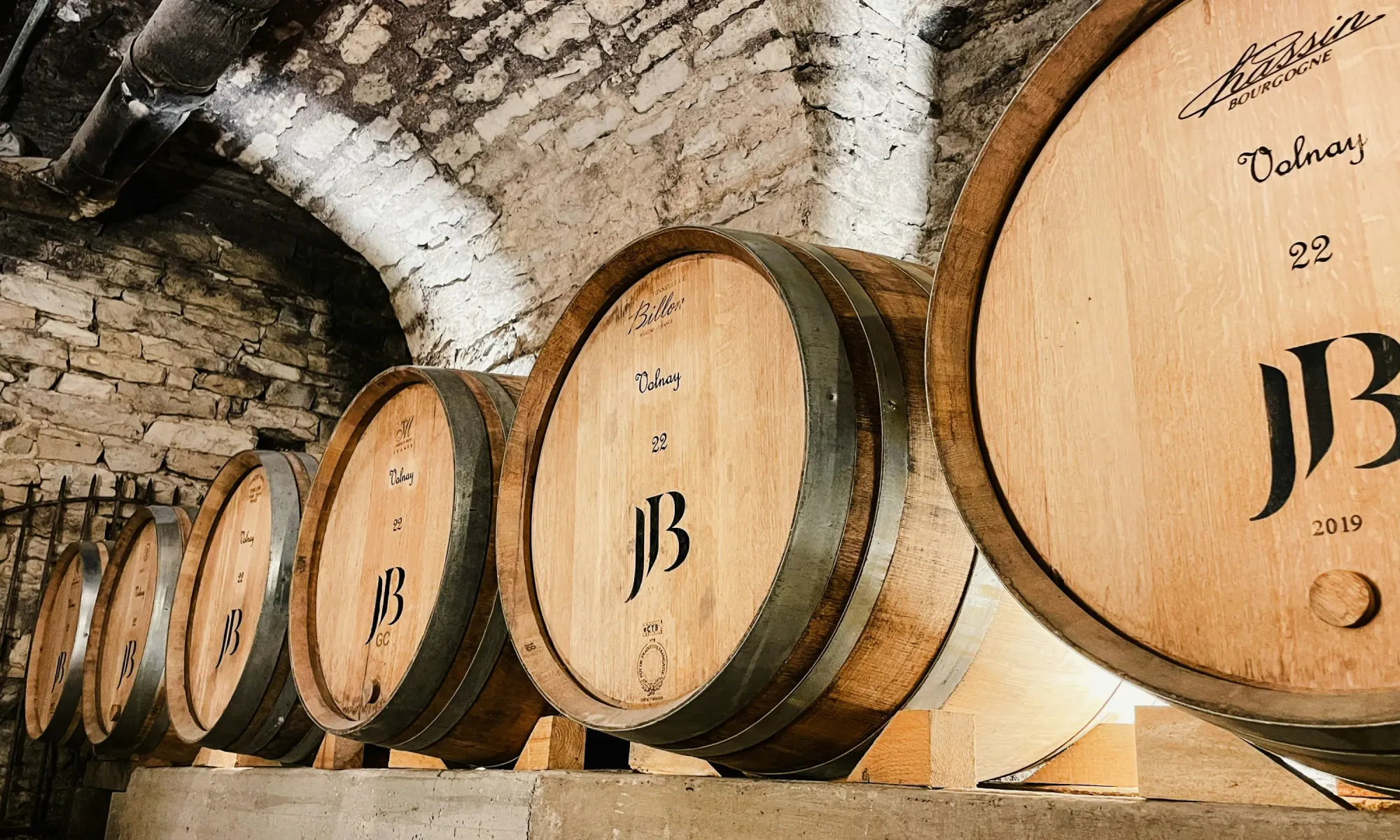
What makes these developments interesting is how they blend France’s rich culture with cutting-edge tech. Think of it this way: France is a country that treasures terroir (sense of place) in wine and the provenance of its art and historical buildings. Tokenization offers a new spin on that by ensuring digital provenance and fractional access. A wine collector in Bordeaux can sell a portion of their collection to a tech investor in Tokyo through wine-backed tokens. A small art gallery can finance a new exhibit by tokenizing a famous painting’s ownership and inviting micro-investors worldwide. These scenarios are becoming increasingly feasible. And with France’s regulations providing a framework, people can engage in such investments with a degree of confidence that there are rules in place to handle digital ownership disputes or fraud.
Challenges and the Road Ahead
While tokenization in France is advancing rapidly, it’s not without challenges. Education and awareness remain a hurdle – many potential investors or property owners still don’t understand how tokenization works. After all, the idea of owning 0.0001% of an apartment building via a token is a new concept that needs clear explanation. Efforts are underway to explain the benefits in simple terms: greater liquidity (you can sell your token easily), lower entry costs (invest a small amount instead of a huge sum), and transparency (blockchain’s open ledger provides clear records of ownership and transactions). As this article has done, using plain language is crucial so that even non-tech-savvy readers can grasp tokenization. The industry in France is trying to avoid jargon and focus on the practical: for example, highlighting stories of a young investor buying a token of a Paris condo to start their real estate journey, or a retiree using token platforms to diversify their portfolio with a small stake in commercial property.

Another challenge is scaling up the market. Today, tokenized real estate in France and Europe is still small relative to the multi-trillion-euro traditional property market. One estimate valued Europe’s tokenized real estate market at around $2.8 billion in 2023 – a drop in the bucket of the overall sector. Growth is expected, but to reach those levels, platforms will need to attract not just crypto enthusiasts but also mainstream investors. That means providing user-friendly interfaces (mobile apps where buying a token feels as easy as online banking) and proving solid returns. Encouragingly, institutions are slowly coming on board. French banks and funds are cautiously testing tokenization; some have participated in tokenized bond issues or used blockchain internally to manage real estate funds. As one European executive observed, tokenization is increasingly seen as a “viable, even superior” approach to some types of investing, rather than just a curiosity. If more success stories emerge – say a tokenized property portfolio consistently delivering good returns and liquidity – it will build trust and draw in larger players.
Regulation will continue to play a pivotal role. France and the EU’s challenge is to keep rules up to date with technology without stifling innovation. The next few years (2025–2026) will be telling. The EU’s pilot regime for blockchain exchanges (like the LISE project) will show whether such systems truly work at scale. MiCA’s implementation will bring new clarity to the crypto world; by explicitly excluding tokenized securities from its scope, it pushes those into traditional regulation – which could be harmonized across Europe. France may see more licensed tokenization platforms and possibly the integration of blockchain with land registries (imagine property title transfers recorded on-chain alongside government records, making sales faster).
There is also a push for international standards – France is part of global discussions on crypto regulation through bodies like the G20 and IOSCO. The goal is to avoid regulatory arbitrage and ensure that if you buy a token in Paris or Berlin, you have similar protections. This worldwide coordination is important because blockchain assets easily cross borders.

In conclusion, tokenization in France is evolving from a niche idea to a transformative force in finance and real assets. The country’s mix of innovative startups, forward-thinking regulators, and engagement from traditional sectors creates a fertile ground for this digital revolution. From that first tokenized Parisian mansion to new platforms letting people invest with a few euros, France is writing a new chapter in its financial history – one token at a time. The narrative is far from over, but one thing is clear: in France, tokenization is turning lofty ideas of financial inclusion and efficiency into reality, all while keeping the experience as accessible and interesting as enjoying a stroll by the Seine. With continued care in regulation and education, the French tokenization market could well become a model for the world, marrying the old and new in a characteristically French, harmonious way.
Share this post
Build your own tokenization business with Tokenizer.Estate
Tokenizer.Estate provides a full end-to-end solution — from legal setup to blockchain infrastructure — to help you launch your project with confidence
Book a Free Consultation