Real Estate Tokenization in Germany: Tradition Meets Digital Innovation
In this article, we break down real estate tokenization in Germany — legal setup, early projects, and what’s actually working today.


Germany is known for its meticulous approach to business and law. This is a country where paperwork and precision go hand in hand – some offices still rely on fax machines and multiple stamps for official documents. Yet behind this traditional image, a quiet digital revolution is taking place. In the world of real estate, Germany is cautiously opening the door to blockchain and tokenization, blending old-world trust with new technology. Imagine a scenario where an apartment building’s value is split into hundreds of digital tokens, and investors from Berlin to Munich can buy small shares online. It sounds futuristic, but it’s already happening in Germany. This overview will explore how tokenization of real estate has developed in Germany – from early experiments and legal reforms to live projects – all in a straightforward way.
A Cautious Market Ripe for Change
Real estate holds a special place in the German mindset. Property is seen as a stable, long-term investment, yet actually owning real estate is out of reach for many average citizens. In fact, less than half of German households own their home – one of the lowest homeownership rates in Europe. High property prices in cities like Munich and Hamburg mean many people rent their whole lives. This environment makes the idea of fractional ownership appealing. If you can’t afford to buy a house, what if you could buy a tiny share of one? Tokenization promises just that: it turns the value of a property into digital tokens, so that instead of needing hundreds of thousands of euros, an investor can start with maybe €100 or €1000 and gain exposure to the real estate market.

At the same time, Germany’s startup and fintech scene has been growing, especially in Berlin. Berlin is often called a blockchain hub in Europe, home to many crypto developers and innovators. This tech-savvy community has been looking for ways to modernize finance. Real estate – known for heavy paperwork and slow deals – became an obvious target for innovation. The idea was simple: use blockchain to speed up transactions, lower entry barriers, and increase transparency in property investing. But in Germany, any financial innovation must navigate strict regulations and a conservative legal culture. The story of tokenization in Germany is therefore a story of innovation meeting caution – a step-by-step journey.
Early Experiments: Breaking New Ground
The concept of tokenizing real estate started to materialize in Germany around 2018–2019. One of the pioneering projects was in March 2019, when a Berlin-based fintech firm called Brickblock achieved a milestone. Brickblock tokenized a €2 million real estate vehicle carrying an apartment building in the city of Wiesbaden. In practical terms, this means they took an ownership stake in the property and converted it into digital tokens on a blockchain. Importantly, this marked the first time in the European Union that real estate shares were represented as digital tokens on the blockchain. Only a small group of eligible (accredited) investors participated in that pilot sale, but it proved the concept worked. Each token entitled its holder to a share of the rental income and any future sale profits from the building. This Wiesbaden pilot showed that even in a traditionally paper-driven industry, a property could be divided and sold using blockchain records.

Not long after, another German startup made headlines by securing a green light from financial regulators. In July 2019, the Fundament Group in Berlin received approval from BaFin (Germany’s Financial Market Authority) for a €250 million tokenized real estate bond. This was essentially a digital bond backed by a portfolio of properties across Germany – and it was fully regulated. BaFin’s approval meant the tokenized bond could be sold to the public, not just private investors. It was the country’s first blockchain-based real estate bond regulated by BaFin, a significant stamp of legitimacy. The Fundament bond was built on Ethereum and structured like a typical security, except no paper certificate was needed – investors could hold a digital token as proof of their investment. The goal was to inject liquidity into the notoriously illiquid real estate market: investors would eventually be able to trade these tokens more freely, similar to how stocks are traded. The project drew interest not only from crypto enthusiasts but also from the traditional real estate sector. For example, Bauwens, a major German property developer, partnered with Fundament to provide a pipeline of properties worth €6.7 billion for future tokenization. This early bridge between an established real estate company and a blockchain startup underscored a key point: tokenization in Germany wouldn’t be about wild west disruption, but about bringing established players into the innovation tent.
These early experiments in 2019 put Germany on the tokenization map. They demonstrated real estate tokenization’s technical feasibility and hinted at its benefits (fractional access, easier global trading of property stakes). But they also highlighted the challenges. Each project had to fit into existing laws – for instance, by using a special-purpose vehicle (SPV) company to hold the property and then tokenizing the shares of that company. The tokens didn’t (and still don’t) replace the government’s land registry; rather, they are a digital representation of an ownership right or claim. In these first deals, notaries and lawyers worked in the background to make sure the blockchain records would be recognized under law. The takeaway was clear: tokenization could work in Germany, but only with careful legal structuring. This set the stage for the next chapter – the regulators and lawmakers stepping in to provide more explicit rules.
Building a Legal Framework

For any financial innovation to thrive in Germany, regulatory clarity is essential. In the late 2010s, German authorities adopted a generally open-minded but cautious stance on blockchain. BaFin (the regulator) began evaluating token-based offerings on a case-by-case basis, often treating tokens as securities if they behaved like an investment. In fact, BaFin confirmed that tokenized shares or bonds are considered securities subject to existing prospectus laws. This meant that tokenized real estate investments had to comply with the same rules as traditional securities – filing a prospectus or using a regulatory exemption – but once approved, those tokens could potentially be “passported” across the EU. In other words, Germany signaled that it would apply the principle of “same activity, same risk, same rules”: if a token is effectively a stock or bond by another name, it must follow the securities regulations. This approach gave serious tokenization projects a clear path: work with lawyers, prepare all the disclosures, and you can launch in Germany with BaFin’s approval.
The biggest legal breakthrough came in 2021 with the enactment of a new law called the Electronic Securities Act (Elektronisches Wertpapiergesetz or eWpG). Until that point, German law had a centuries-old requirement that certain securities (like bonds) needed a paper certificate to be legally valid. This obviously doesn’t fit well with blockchain tokens. The eWpG changed that: it explicitly allowed the issuance of electronic securities recorded in a digital register instead of on paper. Initially, the law focused on digital bonds (debt securities), with the idea to possibly extend to stocks and other instruments later. Once the eWpG took effect in June 2021, digital securities gained full legal status in Germany, which was a huge enabler for tokenization projects. Basically, a company could issue a bond or investment product directly onto a blockchain (or another electronic register) and it would be legally recognized as a security without any paper document. This removed a big legal uncertainty and made Germany one of the first major economies to adapt its laws for blockchain finance.
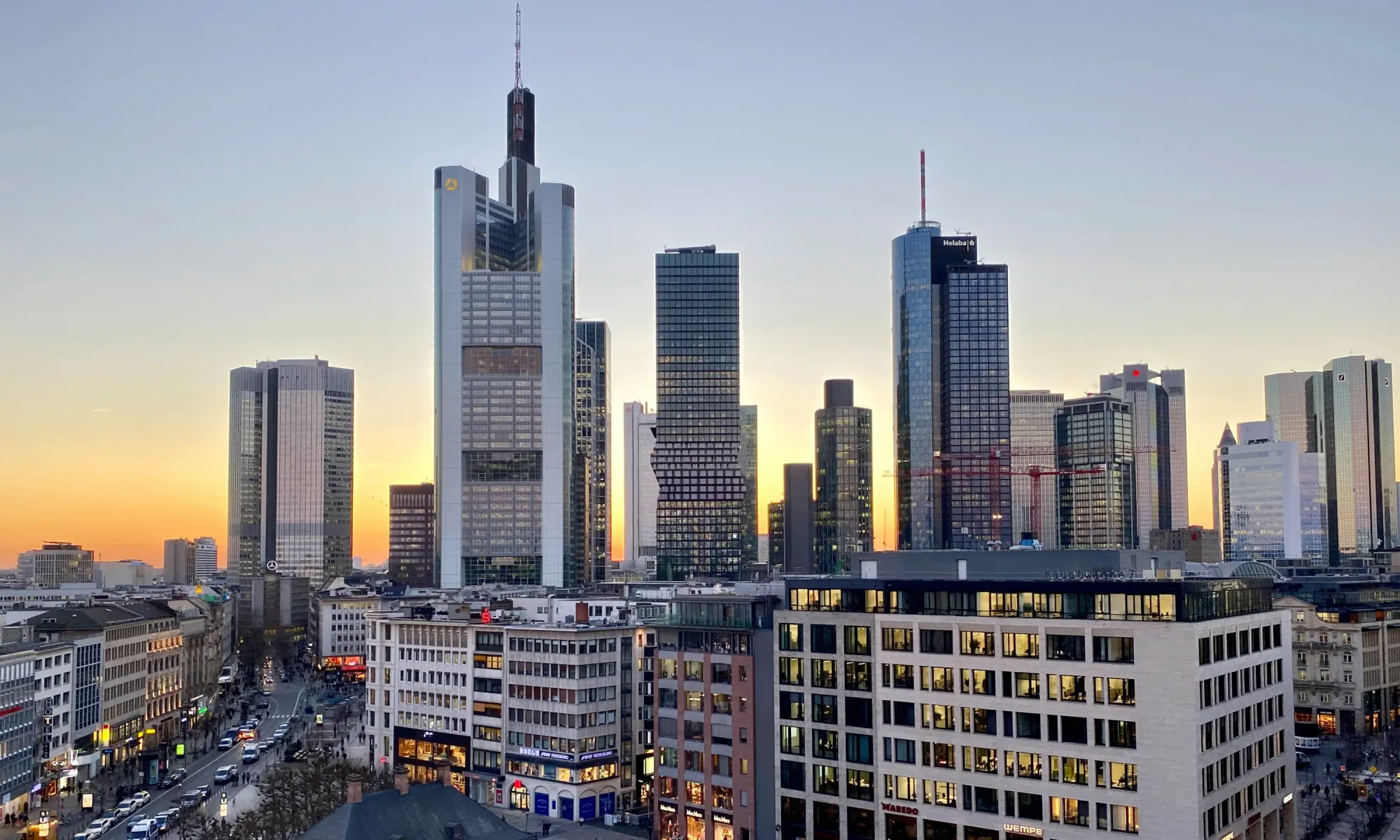
The impact was immediate. German firms that had been experimenting under legal grey areas or using workarounds now had a green light to innovate more boldly. For example, real estate platform Exporo was able to launch digital bonds backed by rental apartments after the eWpG passed. Exporo, a popular property crowdfunding site, took advantage of the new law to offer small investors bonds that represent fractions of income-producing buildings. These digital bonds could be issued and managed on a blockchain, making the process more efficient. The eWpG essentially made such products possible by giving legal weight to digital securities.
Even traditional financial institutions jumped in. In August 2021, Berlin Hyp – one of Germany’s prominent mortgage banks – issued the country’s first blockchain-based covered bond (Pfandbrief), worth €100 million, under the eWpG framework. A Pfandbrief is a very conservative, centuries-old German debt instrument secured by mortgages; seeing one go digital was a strong sign that tokenization had entered the financial mainstream. Berlin Hyp’s bond was recorded on a distributed ledger and had the same legal status as any other bond – except no paper global certificate was printed. The bank touted the efficiency gains: faster settlement and the potential for direct distribution to investors without intermediaries.

Regulators also launched pilot programs to carefully test these innovations. BaFin set up a fintech “sandbox” where selected blockchain projects could operate in a closely supervised environment to gather data and feedback. Such sandboxes let companies trial new models (for instance, handling all investor onboarding and token issuance digitally) under the regulator’s eye. This way, any teething issues could be addressed before scaling up. Germany’s approach, much like the rest of the EU, was not to throw open the doors recklessly, but to allow controlled experimentation. By 2025, Europe’s stance was described as slow but steady: even with new EU crypto rules, property tokens are mostly treated like regulated securities, and players are launching tokenized real-estate bonds on institutional blockchains via sandboxes. In short, the legal foundation in Germany has been laid brick by brick – first through ad hoc approvals, then through formal law (eWpG), and continuous oversight by BaFin. This foundation is what supports the real projects now underway.
Real Projects Taking Off
With rules in place, German companies have moved from theory to practice, launching tokenized real estate investments for the market. Aside from the early Brickblock and Fundament projects, a range of new offerings have appeared in recent years:
- Exporo’s Digital Property Bonds: Exporo, based in Hamburg, traditionally offered crowdinvesting in real estate via conventional means. After the eWpG law, Exporo began issuing fully digital bonds tied to real estate projects on its platform. For example, an investor on Exporo can invest a few hundred euros into a specific apartment building’s bond and receive interest payments funded by rental income. These bonds are digital, meaning investors receive tokens (or a digital register entry) instead of paper. Exporo’s move was significant because it brought tokenization to a broad retail audience in Germany – thousands of users who may not even realize that blockchain is behind the scenes enabling their small-scale property investments. What they experience is simply an online platform where they can click to invest and later trade their positions. The heavy blockchain lifting happens in the background.
- Residential and Commercial Property Tokens: Following Brickblock’s pioneering effort, other startups have tokenized individual properties or funds. For instance, a small company might tokenize a single rental property in, say, Frankfurt – turning it into 100,000 tokens and selling those to investors with the promise of sharing the monthly rent. Several such projects have been reported in the German market, often focusing on high-demand cities. While some remain pilots, they illustrate a key use-case of tokenization: enabling fractional ownership of rental properties. A young investor who cannot buy a €500,000 apartment might still invest €500 to get a token that represents a slice of a building, earning a proportional share of rent. This concept of democratizing real estate investment has started to catch on.
- Institutional Initiatives: It’s not just startups; big institutions have also experimented with tokenization for real estate finance. In addition to Berlin Hyp’s blockchain bond, other banks and funds have looked into tokenizing parts of real estate loan portfolios or investment funds. The motivation for institutions is often efficiency and liquidity. By putting assets on a blockchain, they foresee quicker transactions (settlements in minutes instead of days) and new ways to transfer or trade assets. For example, the state-owned development bank KfW issued a €20 million digital green bond in late 2022 using a blockchain platform, to streamline how bonds are administered. And while that particular bond wasn’t specific to real estate, the underlying principle – using tokens to modernize financing – parallels what’s happening in property markets.
An important thing to note is how these projects mesh with the traditional system. In Germany, the land registry (Grundbuch) is still the ultimate record of who owns real property. Tokenization does not bypass that. Instead, most tokenized real estate offerings in Germany are structured so that what investors actually own is a share of a company or a right to an economic benefit, rather than a piece of the land directly. For instance, a token might represent a share in a limited company that owns an apartment building, or a share of a loan secured on the building. This means that if there’s ever a dispute, the token holder’s rights are enforced via the legal entity and the contracts behind it.
The blockchain token is a digital reflection of those rights, not a standalone deed. As legal experts often point out, until land registries themselves integrate with blockchain, we will see these hybrid models. Germany’s system is highly reliable and trusted, so any innovation must complement it rather than replace it overnight. Tokenization projects therefore work with notaries and registries: for example, when a tokenized property is sold, a notary still updates the official registry, and the token records are adjusted accordingly in the digital system. It’s a bit of double effort for now, but it ensures legal continuity. Dubai has tried a pilot linking blockchains with their land department directly, and Sweden’s approach to blockchain in property has been measured as well, blending new tech with respect for long-standing systems. Germany is following a similarly careful path.
Beyond Real Estate: Tokenization’s Wider Momentum in Germany
While our focus is real estate, it’s worth mentioning that Germany’s embrace of tokenization extends to other assets too. The principles and laws (like eWpG) that apply to property tokens also apply to things like corporate bonds, stocks, and investment funds. In fact, some of the most headline-grabbing tokenization moves in Germany have been outside the real estate sector, showing the broader potential of this technology.

A prime example came in early 2023 when Siemens AG – the industrial manufacturing giant – issued a €60 million digital bond on a public blockchain. This bond had a one-year term and was issued under the new electronic securities law. It was one of the first by a major company in Germany. Siemens sold the bond directly to a handful of investors without any bank intermediary, using the blockchain for record-keeping. The company touted benefits like no need for paper certificates or central clearing, and faster processing of the deal. For the blockchain and finance community, Siemens’ action was a strong validation: if a conservative, blue-chip German firm is doing this, tokenization truly has moved beyond the sandbox. It proved that the legal framework works for large-scale issuers and that the traditional finance world sees value in blockchain efficiency. By mid-2023, even the German Finance Agency (which manages government debt) was reportedly exploring tokenized federal bonds in the future, indicating how tokenization might permeate various layers of finance.
Other areas include art and commodities. There have been small projects tokenizing art collections in Germany, allowing people to invest in fractions of valuable artwork. Likewise, startups have looked at tokenizing commodities like gold stored in German vaults, or even renewable energy projects (letting investors token-buy a stake in a solar park’s revenue). These aren’t mainstream yet, but they show the versatility of tokenization as a concept. The common thread is the idea of breaking a high-value asset into digital shares that can be easily bought, sold, or traded by many participants. Germany’s laws and regulatory approach cover these cases similarly: if the token represents an investment contract or claim, it will be treated as a security or financial instrument. So a token for a real estate fund, a token for an art fund, or a token for a solar energy revenue share all go through the compliance checklist. Germany, being a very compliance-oriented country, has set up the guardrails so that innovation can happen within a safe legal structure.

It’s also notable that Germany actively contributes to shaping European-wide crypto asset regulation. The EU’s MiCA (Markets in Crypto-Assets regulation) comes into full effect by 2024, and Germany has aligned many of its definitions accordingly. However, MiCA leaves tokenized securities (like real estate tokens that qualify as stocks or bonds) under traditional laws, which for Germany means the framework we discussed. In the European context, Germany is often seen as a leader in establishing clear rules for digital assets, alongside countries like Switzerland. For example, Switzerland’s DLT Act explicitly gives blockchain tokens the same legal status as traditional assets, eliminating ambiguity. Germany’s eWpG is a comparable move, focused on allowing digital-native securities. This regulatory clarity is attracting blockchain investment to Germany – companies know where they stand legally, which is crucial for long-term projects.
The Road Ahead: A Blend of Caution and Opportunity
As of 2025, tokenization in Germany is moving from buzzword to practical reality, albeit gradually. No, Germany has not turned its entire real estate market into NFTs or tokens, and you won’t buy a house on the blockchain with a click just yet. But the foundation is there for incremental change. We see a narrative of evolution rather than revolution. The conservative nature of Germany’s financial and legal systems means changes come with thorough testing and adaptation. This cautious approach has an upside: projects that do launch in Germany tend to be solid, compliant, and backed by serious players, which builds trust in the concept of tokenization.
One can imagine a near future where a typical German investor’s portfolio might include a few tokenized assets – perhaps a digital bond from a company like Siemens, a few tokens representing slices of a commercial property in Berlin, and maybe some exposure to tokenized infrastructure projects. These would sit alongside traditional stocks and funds. The lines between traditional finance and digital finance will blur. In fact, the whole point of Germany’s approach is to integrate tokenization into the existing system, not to run a separate shadow system. We can expect more real estate firms to use tokenization as an alternative funding method, especially as success stories emerge. If small investors show enthusiasm for fractional property investments, developers and investment managers will create more tokenized offerings to meet that demand.
There are still open questions. One is liquidity: Will there be active secondary markets where people can trade their real estate tokens peer-to-peer or on exchanges? A promise of tokenization is liquidity for traditionally illiquid assets, but this requires marketplaces and enough participants. Germany might see the rise of regulated digital asset exchanges or bulletin board platforms where these tokens change hands. Already, Europe has a few such exchanges (like in Luxembourg and Switzerland) and Germany could connect to those, given BaFin’s openness to prospectus “passporting” across the EU. Another question is about integration with public records: the ultimate efficiency gain would be if property transfers could be done entirely on-chain. That might be years away, but perhaps pilot projects with local land registries could start, learning from Dubai’s trials or others. For now, a likely scenario is continued use of hybrids – where blockchain handles the investment and economics, and the land registry is updated in parallel for legal ownership.
On the technology side, Germany is blockchain-agnostic. Some projects use public blockchains (e.g., the Siemens bond used the Polygon blockchain), while others use private or consortium chains (like the one Berlin Hyp used with Deutsche Börse’s platform). The focus is less on the crypto aspect and more on the efficiency and access aspects. In the German language, they sometimes even avoid the word “Kryptowährung” (cryptocurrency) and instead speak of “digital Wertpapiere” (digital securities) to emphasize regulation and stability. The framing is deliberate: tokenization is about enhancing finance, not replacing it.
In conclusion, the story of tokenization in Germany is about a balance between innovation and tradition. A country famed for its engineering is engineering new financial tools, but doing so carefully. From the first tokenized apartment in Wiesbaden in 2019 to nationwide laws enabling digital bonds, Germany has built a narrative of progress that still respects the foundations. The experience here shows that blockchain in real estate doesn’t have to be a wild experiment; it can be integrated step by step, with major banks and regulators on board. As a result, Germany today is cited as one of the more advanced jurisdictions for real estate tokenization – not because it rushed ahead, but because it laid down rules and followed through. For investors and observers, Germany offers valuable lessons: when you combine technology with legal clarity, even a traditionally conservative market can start opening to new possibilities. The excitement is kept in check by pragmatism, but it’s very much alive. And as we head into 2026 and beyond, many expect Germany to continue expanding the scope of tokenization, potentially leading the way in Europe as this new era of fractional, digital property investment slowly becomes part of everyday finance.

In the end, tokenization in Germany might not be a flashy overnight transformation, but it is a compelling evolution – one where bricks and mortar meet bits and bytes, and where anyone, not just the wealthy, may gain access to pieces of the property market in a secure and regulated way. The door has been opened; Germany is stepping through carefully, one well-measured step at a time.
Share this post
Build your own tokenization business with Tokenizer.Estate
Tokenizer.Estate provides a full end-to-end solution — from legal setup to blockchain infrastructure — to help you launch your project with confidence
Book a Free Consultation