Real Estate Tokenization in Luxembourg: Opening New Paths for Property Investment
An overview of real estate tokenization in Luxembourg, covering blockchain laws, early projects, investor access, and how the country applies digital tools to property markets.

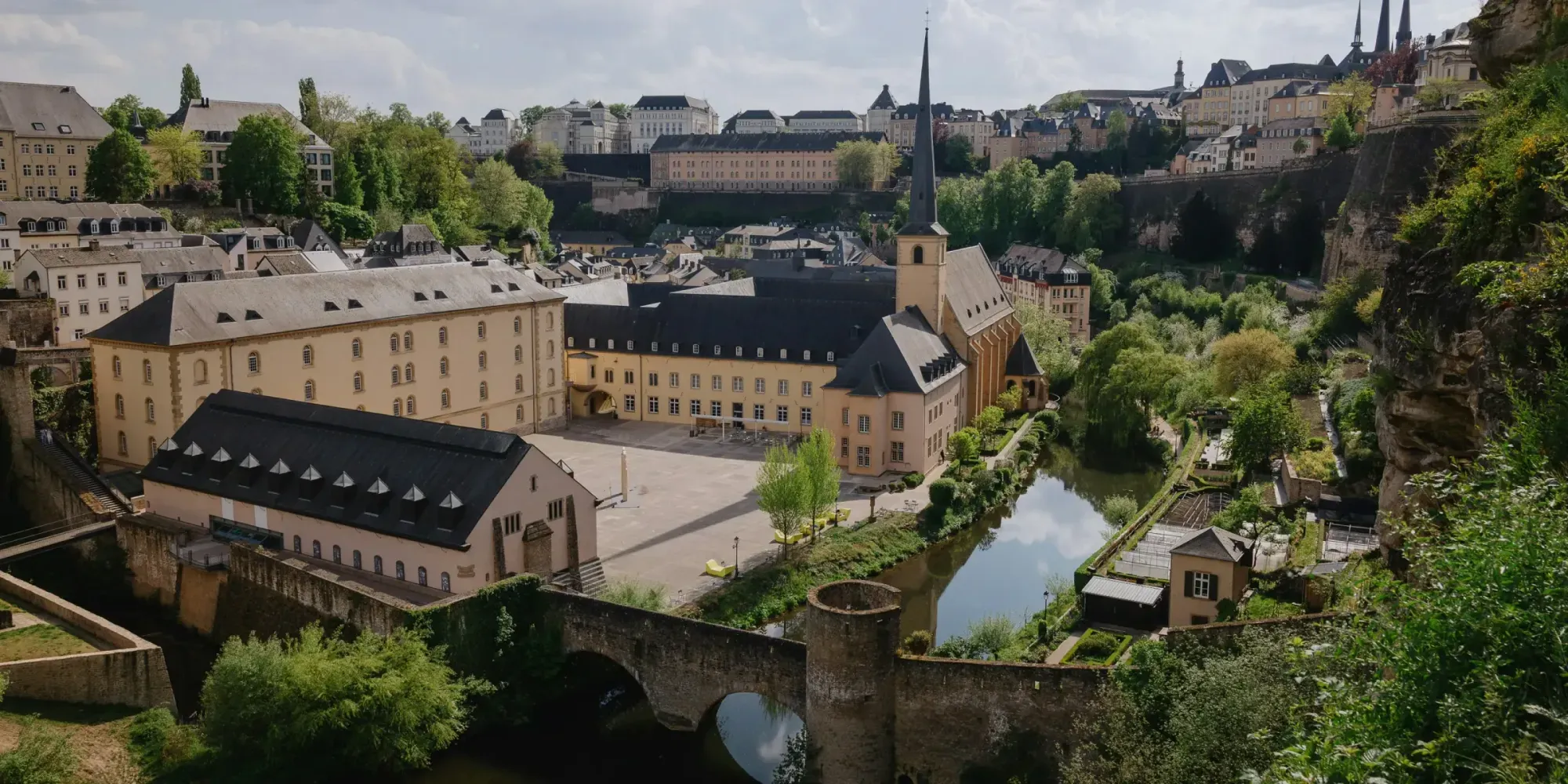
Luxembourg is a small European country known for its rich history of castles and its modern strength in finance. Despite its size, it has one of the highest incomes per person in the world. In recent years, Luxembourg has begun applying new technology to finance. For example, the country even helped launch a legal framework for extracting space resources in 2017, showing its bold approach to innovation. Now Luxembourg is turning to blockchain technology to rethink real estate. Imagine being able to buy a tiny piece of an apartment block in Luxembourg on a phone app – this is the idea behind real estate tokenization.
Why Luxembourg Is Entering the Tokenization Scene
Real estate tokenization means using blockchain to turn property (like buildings or land) into digital tokens. Each token represents a small share of a property. In practice, a large house or a city apartment can be split into thousands of tokens. Then people can buy, sell, or trade these tokens online, just like stocks. As one analysis calls tokenization one of the most promising innovations for property investment, this new model aims to make real estate easier to access for more people. Instead of one person buying an entire building, dozens of investors could each own a part through tokens.

The benefits of tokenizing real estate can be big. For example, it increases liquidity in property markets. This means owners can sell part of a property more quickly, since tokens can be traded any time, often 24/7, without the long process of selling a whole building. It also lowers the entry barrier for investors. Instead of needing $100,000 or more to buy property, a token setup might let people invest as little as $1,000. In short, tokenization makes it easier to trade real estate and lets small investors participate. Studies even suggest these changes could unlock a large share of the trillion-dollar global real estate market.
Luxembourg is positioning itself to be part of this new era. It is a known financial hub with many banks, funds, and companies that manage money. Investors trust its stable economy and clear rules. This strong finance background means Luxembourg can support high-tech finance projects. In fact, one analysis highlights that Luxembourg “is a known financial hub ripe for blockchain adoption”. The country’s leaders and regulators have been preparing for tokens, too. Between 2019 and 2024, Luxembourg passed several so-called “blockchain laws” that changed old financial rules to allow digital ledgers and tokens.
Key steps in Luxembourg include:
- Progressive Laws: It adopted Blockchain Law IV in late 2024, which explicitly lets real assets be managed digitally. This law lets companies issue shares and bonds on a blockchain, including tokens for buildings or land. By doing this, Luxembourg ensures token deals have clear legal status. As a result, analysts say Luxembourg “is positioning itself as a model” for blockchain in finance.
- Regulatory Sandbox: Luxembourg’s finance regulator (CSSF) launched a blockchain sandbox to test new digital-asset ideas. In this safe testing ground, companies can try token models under regulator oversight before going public. This sandbox helps innovators meet rules early.
- Compliance Support: Local studies and reports emphasize compliance. For instance, a KPMG report highlights that Luxembourg “is helping real estate firms issue tokens under full regulatory compliance”. This means authorities want token projects to follow laws carefully, and they support businesses that do so.
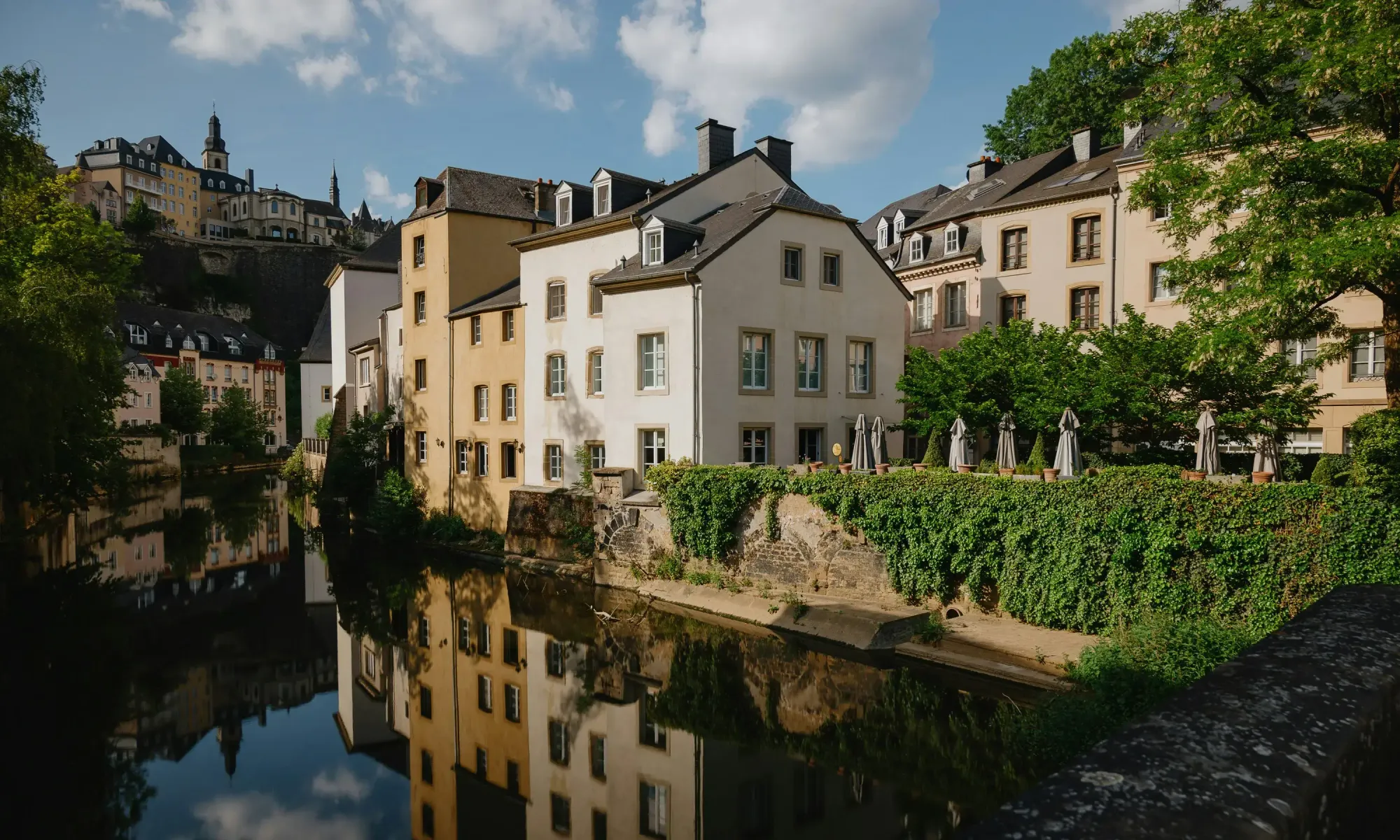
In practical terms, Luxembourg’s environment is attractive for token projects. The country has modern courts, multilingual lawyers, and many tech-friendly finance firms. For example, Blocksquare chose Luxembourg to build its real estate token platform. Blocksquare has developed a framework here that follows EU rules (MiCAR) for tokens. Their model connects the token system with land registries and notaries, giving investors real legal rights to income from properties.
Finally, the Luxembourg government has already signaled approval. For example, the financial authority gave the green light to issuing real estate security tokens in 2021. This means regulators have cleared the way for token deals. In other words, the rules and support needed for tokenized real estate are largely in place.
Real Projects in Luxembourg
There are already some real-world examples showing tokenization in Luxembourg. One startup, BlocHome, made headlines. They tokenized Clapton Residence, an 8-unit luxury apartment building in Luxembourg City. Investors could buy digital shares of this building rather than buying whole apartments. This project used Tokeny’s technology and met all local rules. It shows how even high-end housing can become partially open to more investors.
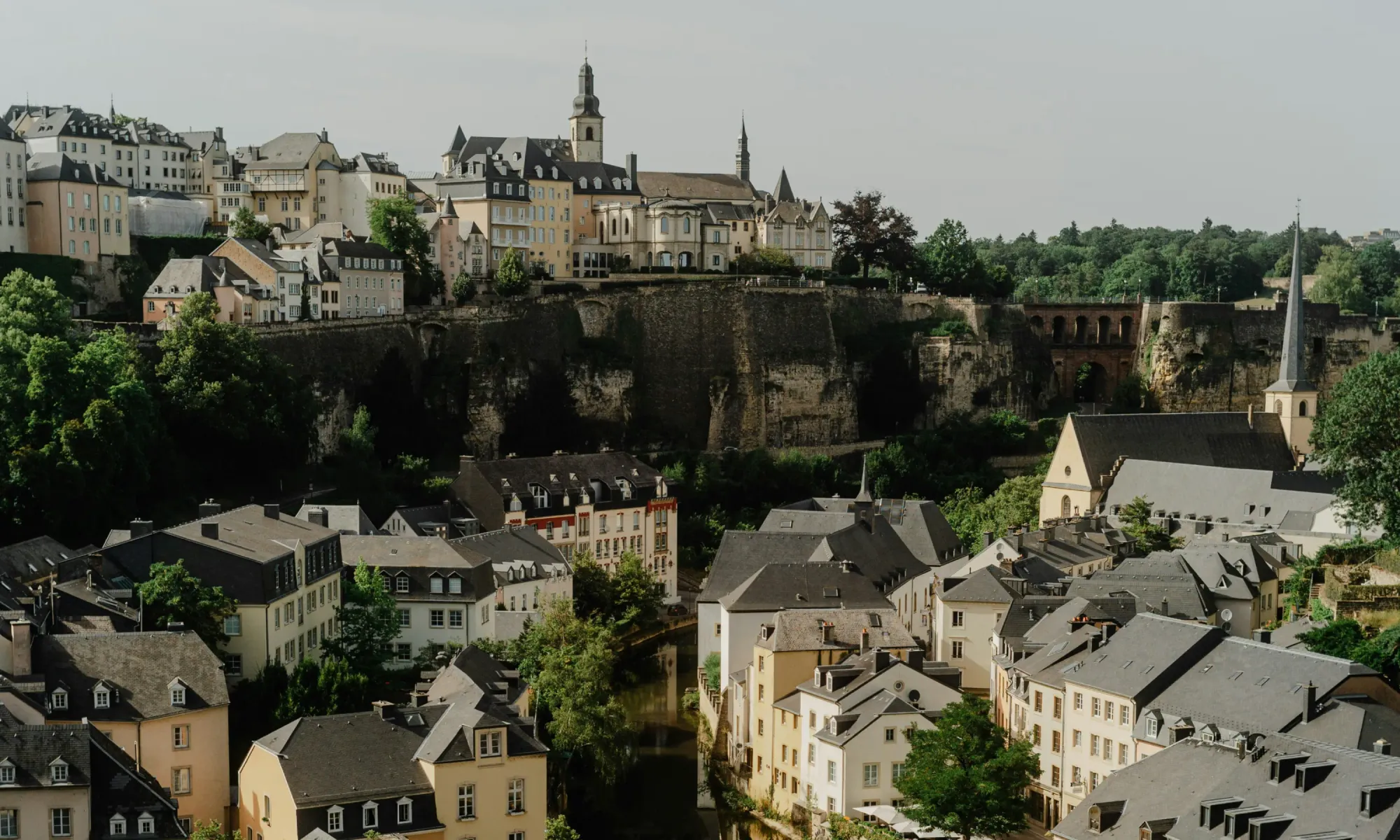
EY reports that Luxembourg “has seen several successful real estate tokenization projects”. These include fractional ownership of a luxury villa and new platforms that cut compliance costs dramatically. In one initiative, high-end homes became available to private investors via blockchain, starting with a luxury villa token sale. These efforts underline Luxembourg’s innovative approach: blending traditional real estate with cutting-edge tech.
Industry experts are excited. A legal firm notes that token projects “are starting to take off” in Luxembourg thanks to the new laws. Indeed, pioneers are testing the model here. For instance, BrickBlock and other European platforms often choose Luxembourg for launching tokenized real estate funds, because of its clear legal framework and investors’ trust.
City Life, Everyday Investors, and Digital Bricks
On a normal weekday evening in Luxembourg City, the picture is simple. Office workers leave the glass towers in Kirchberg, cross the red bridge, and walk down toward the old streets and cafés. Trams slide past modern banks, while on the hills you still see quiet houses and small apartment blocks. Real estate here is not only numbers on a screen. It is the place where people live, work, and plan their future.

At the same time, many people in Luxembourg think about investment. Some buy classic rental apartments. Others put money into real estate funds. Now, a small but growing group is looking at real estate tokenization in Luxembourg as another way to join the property market. Instead of buying a whole flat or a full unit in a fund, they can imagine holding digital tokens that represent a share of a building.
This idea is especially interesting in a country where prices are high and space is limited. For many young professionals, buying a full property in Luxembourg feels out of reach. Tokenized properties in Luxembourg could offer a different path: smaller tickets, more flexible entry, and the option to build a portfolio step by step. For long-term owners, tokenization can also open doors. It offers a tool to bring in new investors without selling the entire asset or waiting months for a traditional deal.
Under the surface, of course, the structure is more complex. Behind each token there is usually an SPV or a fund that holds the property. Lawyers work on shareholder rights and income distribution. Tech teams design the smart contracts that move tokens on a blockchain. Compliance experts make sure the setup fits EU rules and local supervision. But for the end user, the vision is simple: a clear legal wrapper, a digital interface, and a way to trade parts of real estate with more freedom than before.

Luxembourg’s strength is that this world of “digital bricks” can live next to its existing finance ecosystem. The same country that manages classic UCITS and alternative funds can also host tokenized real estate vehicles. The same investors who already know Luxembourg real estate investment through traditional structures can now test blockchain real estate in a familiar legal environment. In this sense, tokenization here is not a revolution that burns the old house down. It is more like adding a new, smart extension to a well-built home.
Of course, stepping into this new digital layer of real estate can feel complex. Tokenization combines legal, technical, and financial work, and it is easy to feel lost without support. This is where the right partner matters. Companies like Tokenizer.Estate offer a white-label tokenization platform and help with compliance, blockchain setup, and investor-facing tools. So if you are a property owner or developer who wants to tokenize real estate, or you want to start a business in this field, you do not have to do it alone. Сontact us.
Outlook
In summary, Luxembourg is quietly becoming a notable place for real estate tokenization. Its mix of a deep finance industry and a progressive legal framework makes it well-suited for this innovation. As one study observes, Luxembourg “is poised to lead” in this sector. That means as more people try blockchain property deals, Luxembourg could be the European testbed where new ideas come together.
This fits Luxembourg’s character: a small nation that plays big in finance. Besides banks and space mining laws, Luxembourg even established a crypto fund framework years ago. It also has six UNESCO World Heritage sites and is officially trilingual (French, German, Luxembourgish), reflecting its global outlook. Perhaps in the future Luxembourg will also be known for transforming its beautiful streets and castles into tokenized assets!
For now, investors and property owners should keep an eye on Luxembourg’s developments. Tokenization offers new ways to buy and sell property shares, which might open doors to a broader market. With the right guidance (such as from Tokenizer.Estate or local experts), anyone can start exploring tokenized real estate in Luxembourg. As the saying goes, “The future of real estate is digital” – and Luxembourg is stepping right into that future.
Share this post
Build your own tokenization business with Tokenizer.Estate
Tokenizer.Estate provides a full end-to-end solution — from legal setup to blockchain infrastructure — to help you launch your project with confidence
Book a Free Consultation