Real Estate Tokenization in Norway: Bridging Tradition and Digital Innovation
An overview of real estate tokenization in Norway, covering early blockchain trials, major projects, regulation under MiCA, and how digital ownership is developing.

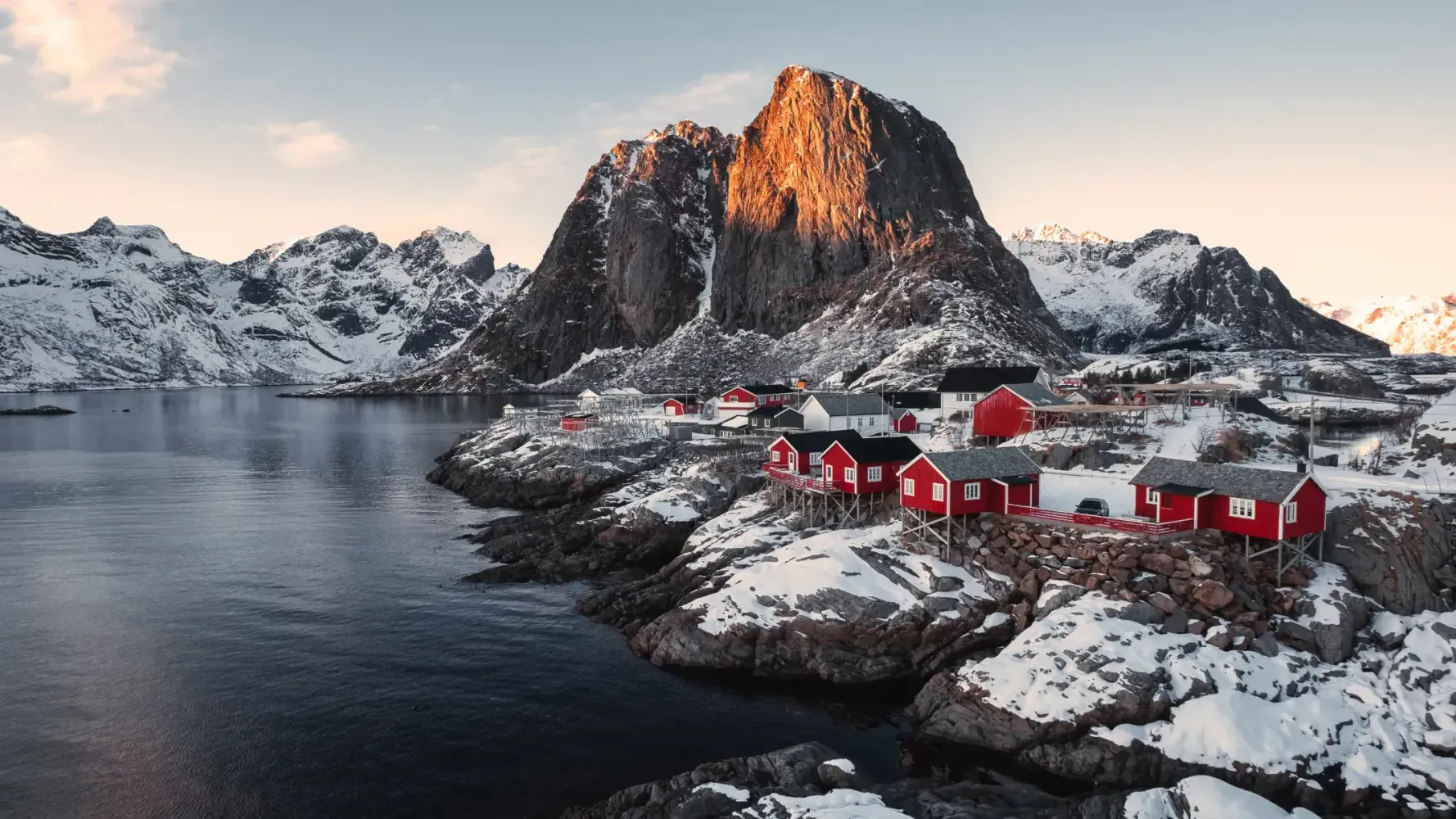
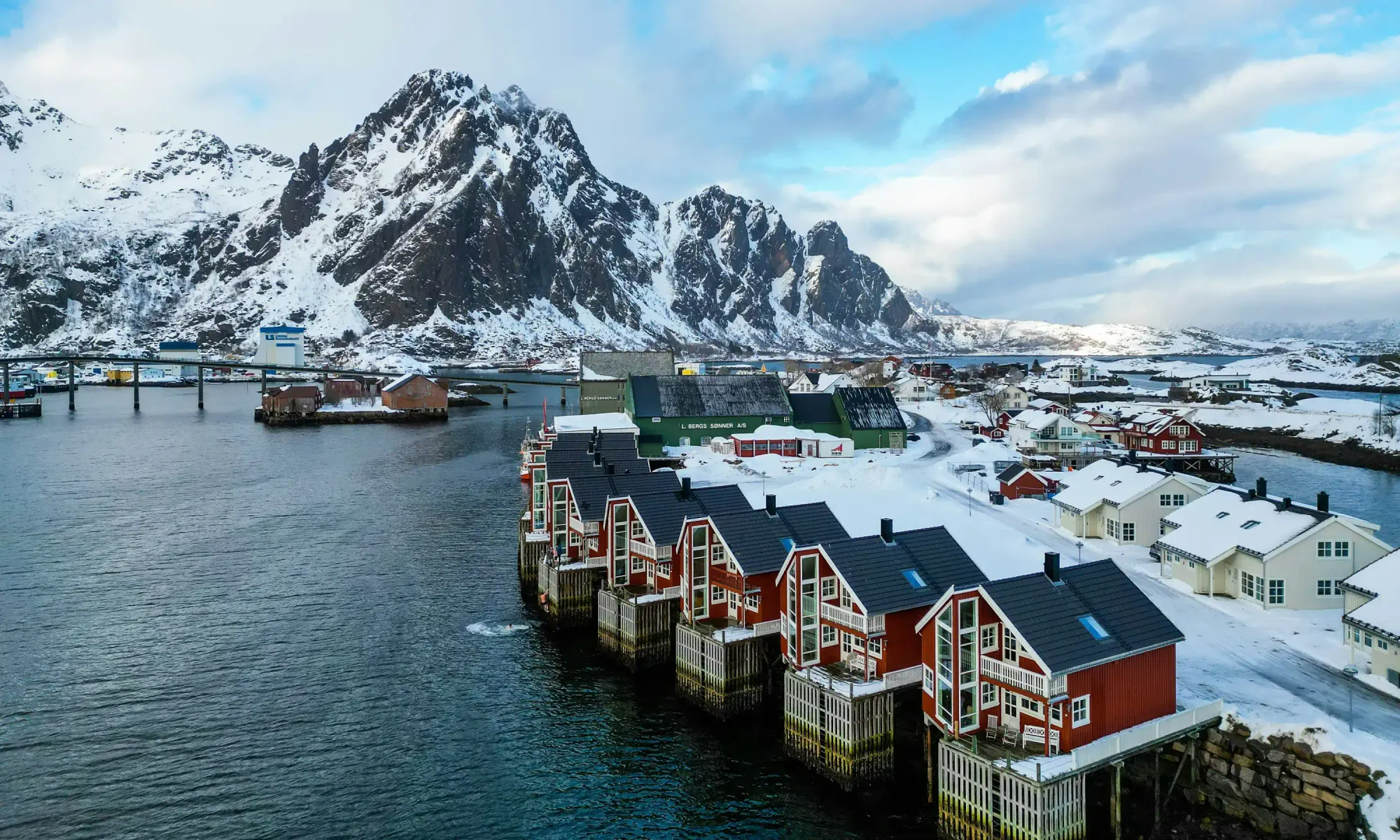
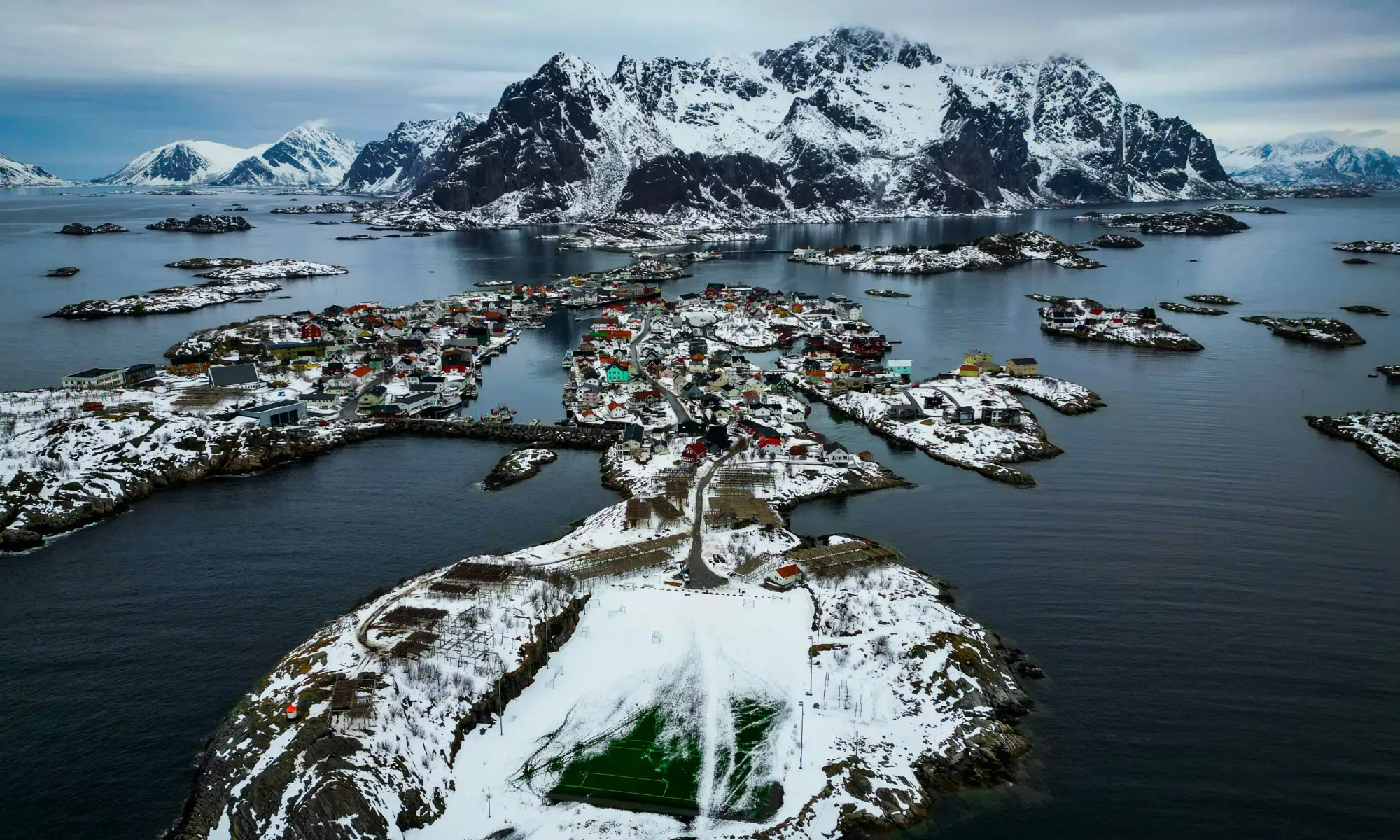
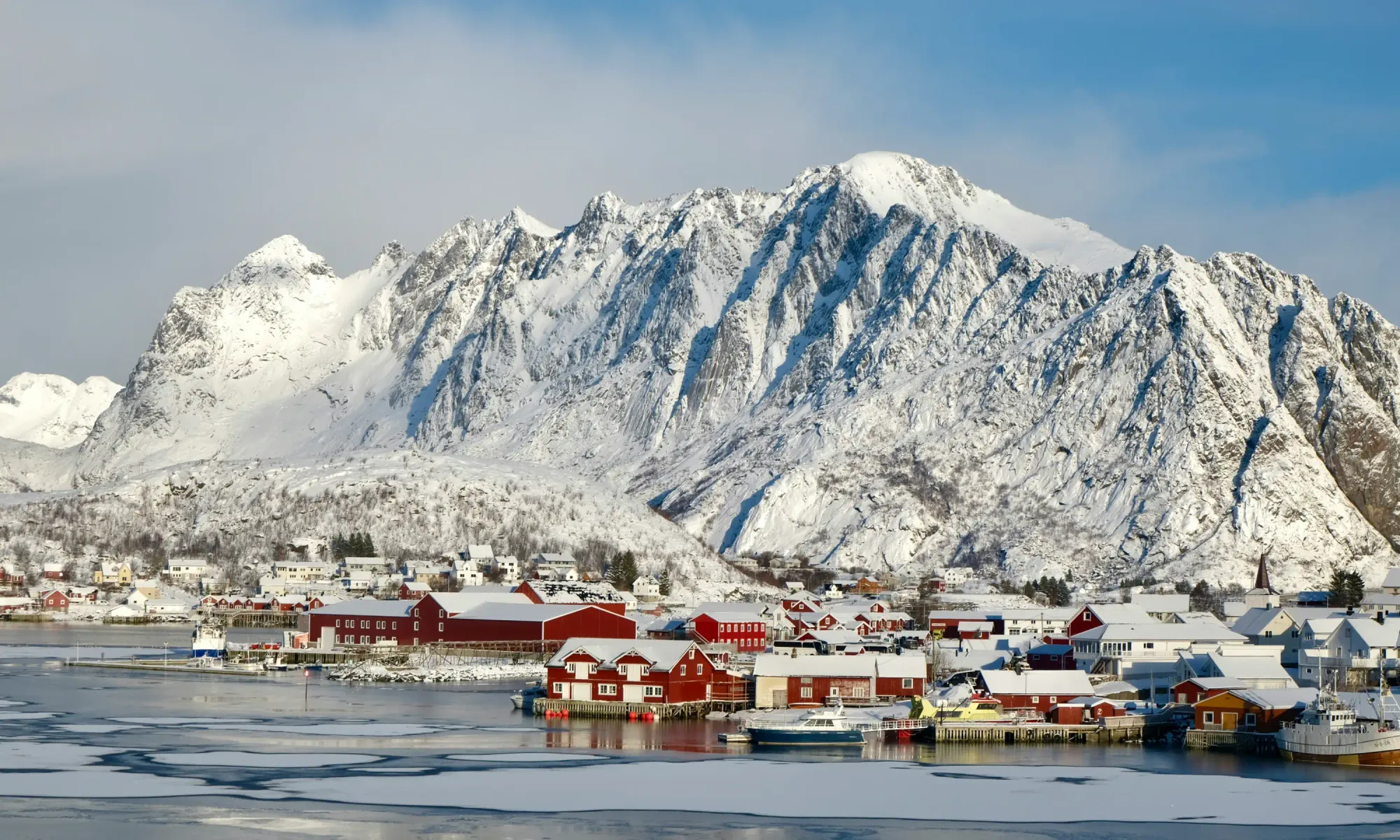
Norway is a country with a rich history, unique nature, and a very high quality of life. It is famous for its deep fjords, the Northern Lights, and quiet coastal towns between mountains and sea. Many Norwegian traditions, from wooden houses to folk music, are carefully kept and passed from one generation to another. Interestingly, Norway's form of government is a constitutional monarchy, where the king has a symbolic role and real power belongs to the elected parliament and government. This system helps the country stay stable, protect old values, and at the same time stay open to modern ideas and change.
Norway’s society is very tech-savvy. Almost everyone uses smartphones, banks online, and even government services through apps. A Norges Bank survey found that 96% of Norwegians have awareness of crypto-assets. In other words, almost all adults have at least heard of Bitcoin and tokens, and about 11% actually own some crypto. The government also works on digital ideas: in 2022 it announced a plan to make property and land data public, to build a “digital twin” of the country for better services. This shows Norway is ready to try new tech ideas, which sets the stage for exploring real estate tokenization.

What Is Real Estate Tokenization?
Tokenization sounds technical, but it’s a simple idea: imagine dividing a home into many tiny shares. Each share is a digital token on a blockchain (a secure online ledger). For example, a house worth €100,000 can be divided into 1,000 tokens worth €100 each. If you buy one token, you own 0.1% of that house and might get a bit of its rent or sale profit. All transactions are recorded publicly on the blockchain. This means someone could buy or sell tokens easily, almost like trading shares of stock. In simple terms, tokenization turns property (or art, wine, or solar panels) into tiny digital pieces that many people can own together.
Tokenization has clear benefits. It offers easier access to real estate for more people. Instead of needing hundreds of thousands of euros to buy a whole home, someone could invest a small amount and buy tokens representing part of a property. It also brings more liquidity: token owners could sell their tokens quickly on a digital marketplace, rather than finding a full buyer for an entire building. Every token sale is recorded on the blockchain, giving transparency about who owns what. And fewer middlemen (like banks or lawyers) might be needed, which can cut costs and speed up deals. In short, tokenization can make real estate more like stocks – easier to buy, sell and divide up.
Early Trials in Norwegian Real Estate
Norway has already seen some blockchain experiments in property. In 2019, OBOS – one of Norway’s biggest housing developers – completed a sale on blockchain. They used a prototype system to automate the purchase of a shared-ownership apartment. Normally selling such a home takes months of paperwork and a trusted third party. With the blockchain method, many steps happened in one automatic operation, all verifiable online. OBOS said it was “the world’s first” such housing sale using blockchain technology. This kind of trial shows that big builders in Norway are curious about digital methods.
Housing prices in Norway, especially in Oslo, are very high, and many people worry about affordability. In fact, only about 1% of apartments in Oslo were affordable on an average nurse’s salary. Some analysts say tokenization could help by breaking up ownership into tiny parts. For example, instead of paying the full price of a flat, a young person could buy a few tokens to own a small share of it and earn a slice of the rent or sale price. This way, more people might “catch up with price development” by slowly investing through tokens rather than needing a big mortgage all at once.
However, experts say we are still in the very early phase of tokenizing property in Norway. Today, the law only allows official ownership through the land registry. In practice, token projects usually work by having a company own the building and then issuing tokens for shares of that company. It is not the land title that’s tokenized, but the company shares or debt related to the property. As one legal analysis notes, tokenizing real estate means creating tokens for parts of a company that holds the asset. DlaPiper commentary explains that in Norway tokenization is in an early phase, so we need better platforms, tokens that grant real ownership, and clear rules before it becomes common.
Big Projects and Partnerships
Interest in tokenization is growing. A high-profile example is the ISON project, backed by Norwegian developers and a tech firm. In late 2024, Reltime AS announced it would tokenize four major projects in Norway, aiming to raise €150 million from global investors. The first project was called “Oslofjord,” a development of many properties near the Oslo Fjord. Reltime’s idea is to let anyone around the world buy digital tokens that represent shares in those projects. Their platform would handle issuance and trading of tokens, allowing people to own bits of prime Norwegian real estate without paperwork barriers.
The Reltime/ISON plan promises some clear advantages for investors. According to their announcement, the token system will ensure transparency because the blockchain ledger shows all transactions. It also claims to offer security and flexibility: token holders can buy, sell or hold their shares and even earn daily rental income from the properties. The model is like investing in a property fund, but on a global 24/7 marketplace. Reltime says this marks “a new era” where people from anywhere can buy into Norwegian homes with just a smartphone and internet.
Such news shows big money is eyeing Norway’s market. At the same time, some media have raised questions about projects like ISON. A Norwegian crypto news site pointed out that details (like exact properties and team info) were sparse, even after the press release. This reminds us to be cautious: not every announcement becomes a real deal. But projects like this indicate that tokenization is no longer just a theory in Norway – there are concrete plans involving millions of euros.
Rules and Caution
Norway has strict rules when it comes to finance, and tokenization must fit into them. Since Norway is part of the European Economic Area, it adopts EU crypto laws. In July 2025, Norway put into force a Crypto-Asset Act based on the EU’s Markets in Crypto-Assets (MiCA) regulation. This means any platform selling tokens, especially investment tokens, must follow EU rules. Banks and regulators treat token sales carefully: anything resembling securities needs official permission. In practice, if a token gives ownership or profit rights, Norway’s laws say it must be handled like any other share or bond.

For example, under the Norwegian Securities Trading Act (aligned with EU MiFID II), a token that looks like a stock must be treated as a financial instrument. As one legal summary puts it, tokens offering “same activity, same risk” as traditional investments should meet the same regulations. In short, real estate tokens would likely need to be sold through licensed entities or under fundraising rules. This cautious legal approach means companies often use familiar structures: they set up a real estate company, then sell digital shares in that company instead of directly tokenizing the land title.
On top of that, Norwegian regulators watch for money laundering or fraud. Crypto service providers need licenses, and advertising token sales has many limits. All these steps are designed to protect ordinary investors. In tokenization, the idea is exciting, but everyone knows risks must be managed. The current message is that nothing is rushed: Norway will let innovative tech grow, but only on a solid legal footing.
Norway’s Tech and Crypto Scene
Real estate isn’t the only place Norway likes new tech. The country leads in many digital trends. As mentioned, 96% of Norwegians know about cryptocurrencies. Norway even has large funds where citizens can invest in Bitcoin. The central bank (Norges Bank) is exploring its own digital currency. In fact, the bank started testing a “digital krone” years ago. They are studying how a government digital currency could work for payments. These experiments show Norway is seriously thinking about digital money.
Norwegians have also embraced electric vehicles and green technology. An international data report highlight adoption that roughly one-third of all cars on Norwegian roads are now electric, and in recent years almost every new car sold has been a battery electric vehicle. Cheap, renewable hydropower and a cool climate made Norway attractive for data centres and, for a while, for crypto miners. More recently, the government has discussed ways to limit very energy-hungry bitcoin mining to protect electricity for other industries and homes.
Local exchanges help connect this tech world with everyday finance. Norwegian Block Exchange (NBX) describes itself as one of the main platforms in the region where people can trade cryptocurrency. In 2019, the savings bank Sparebanken Øst bought a significant stake in NBX, showing that a traditional bank with roots in the 19th century is ready to work with digital assets. Since then, NBX has developed trading and custody services for both private users and businesses.
All this tech affinity matters for tokenization. When people already trust online banking, smartphones, and digital services, they are more open to trying new tools like asset and real estate tokens. In everyday life, many Norwegians pay with apps instead of cash, and some shops hardly use physical money at all. A shift towards more digital finance, even in property, simply continues this wider pattern of innovation and careful, regulated experimentation.
The Road Ahead
Looking forward, tokenization in Norway is still an unfolding story. The country has wealth, stable banks, and a high-tech workforce – ingredients that could make token ventures work. But it also has strong traditions (like the land registry and banking) and careful regulation. As noted in the article regarding Sweden, the general sentiment is to move "cautious but steadily" with blockchain. Norway is likely to follow suit.
We expect to hear more pilot projects, new laws, and maybe the first real tokenized property deals. Industry experts around the world see tokenization growing fast – one forecast even suggests $24 trillion in tokenized assets by 2027. Norway will watch these trends and adopt them at its own pace. In the meantime, the story of tokenization in Norway is a mix of hopeful plans, careful rules, and a digital-ready society. It’s a journey worth following for any investor or developer interested in the future of real estate and innovation.
Share this post
Build your own tokenization business with Tokenizer.Estate
Tokenizer.Estate provides a full end-to-end solution — from legal setup to blockchain infrastructure — to help you launch your project with confidence
Book a Free Demo