Real Estate Tokenization in Switzerland: An Overview
A simple guide to Switzerland’s real estate tokenization: DLT Act, FINMA rules, Crypto Valley projects, tokenized property deals, and on-chain innovation.


Switzerland is famous for mountains, chocolate, and banks. It is also quietly becoming a hub for blockchain innovation. Imagine owning a piece of a Swiss building not with paper deeds but with a digital token you can trade on the internet. This article explores how Switzerland is moving into tokenization – turning real assets into blockchain tokens – in a simple, clear way. We will look at laws, examples, and why this matters for investors and property owners.
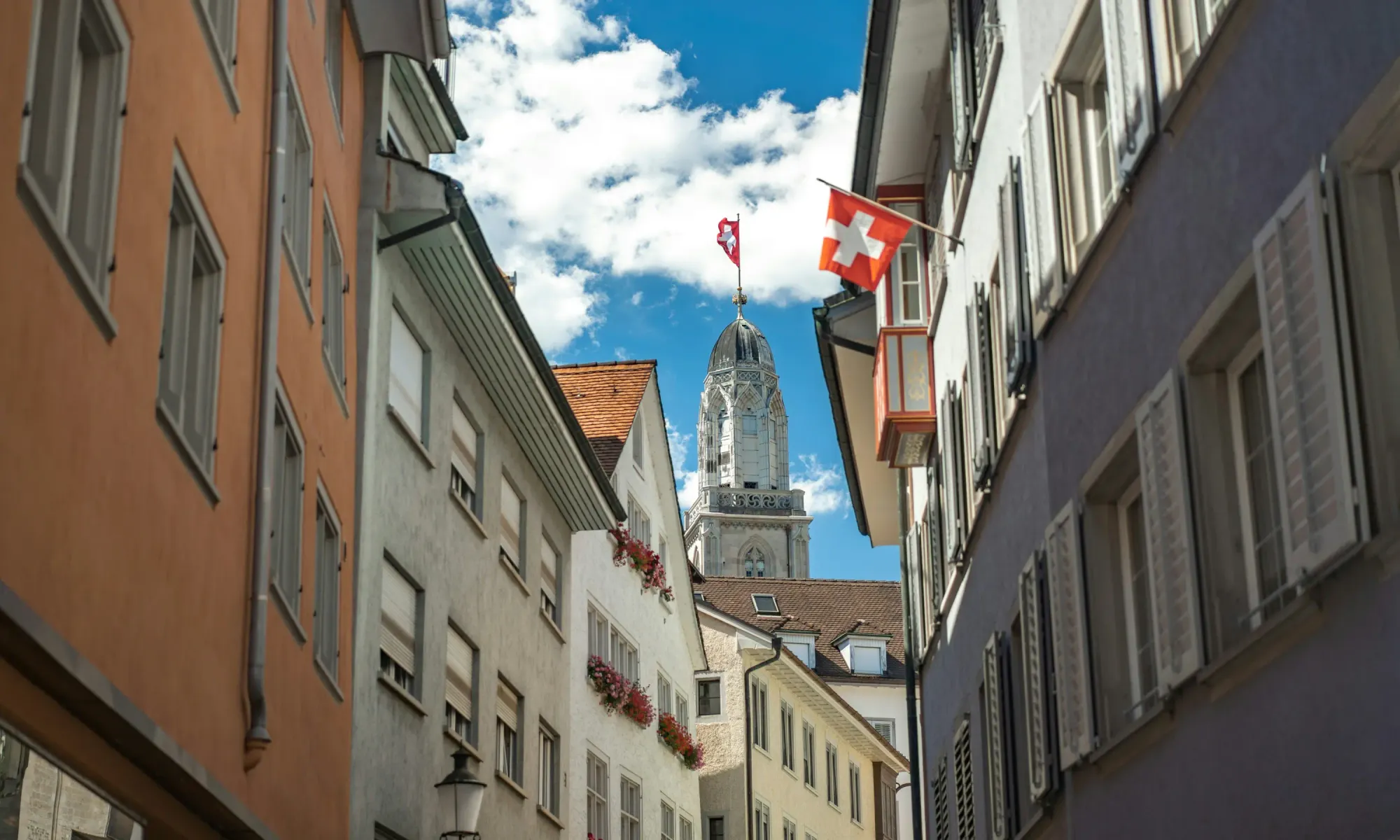
Switzerland’s cities and countryside blend old and new. In cities like Zurich and Zug, old-world charm meets new digital ideas. Here, buildings and banks stand by lakes and mountains, and entrepreneurs are experimenting with blockchain. This mix of tradition and tech makes Switzerland an interesting place to watch for tokenization. We’ll see how Swiss regulators and innovators are shaping the future of real estate ownership.
Swiss Blockchain Laws
Switzerland passed a special law called the DLT Act (Distributed Ledger Technology Act) in 2020, which took effect on February 1, 2021. The DLT Act was made in a "technology-neutral" way, which means it does not even use the word “blockchain.” Instead, it introduces the idea of a ledger-based security, which is essentially a token recorded on an electronic register. The law says that if you register a right (like a share or membership) on a qualified electronic ledger, then transferring that token transfers the right. In other words, owning the token is legally the same as owning the share or stake it represents.

Thanks to the DLT Act, Swiss regulators accept blockchain-based tokens as valid securities. This is rare. For example, in Switzerland it is now possible to tokenize company shares or other legal rights on a blockchain. This means Swiss companies and real estate owners can use blockchain to issue digital shares or bonds. We previously wrote in another article that “Switzerland has been ahead of the game – its DLT Act explicitly gives blockchain tokens legal status”. This was a big step. Before this law, tokens could be sold, but there was legal uncertainty. Now, tokenized assets have a clear place under Swiss law.
Besides the DLT Act, the Swiss Financial Market Supervisory Authority (FINMA) has created a special framework for blockchain trading platforms. FINMA’s rules allow licensed venues to trade tokenized securities under clear guidelines. In practice, this means that a company can get a license to run a fully regulated blockchain trading system in Switzerland. For example, a new trading platform called BX Digital got approval in 2025 to operate a blockchain exchange. It plans to list over 100 tokenized US stocks and ETFs for round-the-clock trading. This shows how Swiss regulators are enabling digital markets. Because of the DLT Act and FINMA’s rules, Switzerland’s blockchain law offers much-needed clarity and protection for token investors.
Real Estate Goes Digital
Tokenization means turning a real-world asset (like a building or a piece of land) into digital tokens on a blockchain. These tokens act like digital shares. Each token represents a small part of the asset’s value. This lets everyday investors own a piece of a big property, even if they do not have millions of dollars. For example, instead of buying a whole apartment building, a person could buy a few tokens that represent part of that building. Each token would give the owner rights to a share of rent or profit, just like owning a share of a company.
One of the most exciting areas of tokenization is real estate. Buildings and land are usually hard to divide or sell in pieces. Tokenization can change that. In Switzerland, pioneers have already started to put Swiss property on the blockchain.

The very first Swiss property ever tokenized went live in March 2019. This was a property called the “Hello World” restaurant and apartment building in Baar, a town in Canton Zug. Three Swiss blockchain companies (Blockimmo, Elea Labs, and Swiss Crypto Tokens) worked together. They created a digital twin of the property on the Ethereum blockchain. In that deal, they tokenized 20% of the building’s value (about CHF 3 million) and sold it to four investors in a club deal. Those investors each received tokens on Ethereum that represent their share of the property. This deal proved that a Swiss building could be sold in part through blockchain tokens. As one founder said, it was a “premiere” – the first property transaction on blockchain in Switzerland.
Another landmark Swiss tokenization was carried out by BrickMark, a crypto real estate company. In early 2020, BrickMark bought a prime commercial property on Zurich’s Bahnhofstrasse (a famous shopping street) for CHF 130 million. Much of the payment was made with tokenized assets on the Ethereum blockchain. Basically, BrickMark issued digital tokens tied to the new property. This was a very large deal – at the time one of the biggest-ever tokenized real estate transactions globally. News articles noted it as a powerful example of using digital shares in a real estate purchase. This shows that Swiss firms are not just experimenting; they are doing real nine-figure deals with blockchain.
Since these early steps, more Swiss projects have followed. Swiss Crypto Tokens launched the CryptoFranc (XCHF), a stablecoin pegged to the Swiss franc, to be used as a digital currency for such deals. Platforms like Blockimmo are planning to tokenize many more properties and eventually sell tokens in public offerings on regulated exchanges. Another example: in 2025, European news reported a partnership between Swiss firm BrickMark and U.S. tokenization platform DigiShares. BrickMark highlighted its record of large deals (like the CHF 130M Zurich property) and aims to link its projects to DigiShares’ U.S. channels. This alliance will help Swiss issuers reach global investors.

Swiss tokenization is not only about isolated deals. It is supported by a growing ecosystem in the Crypto Valley. Zug, the canton where Baar is located, is known as Crypto Valley because of its many blockchain startups. Swiss banks, fintech firms, and universities in this area are very interested in blockchain. For example, the Swiss National Bank has even run a project (“Project Helvetia”) testing a digital Swiss franc for wholesale use. In this pilot, major banks like UBS and Zürcher Kantonalbank issued over CHF 750 million worth of tokenized bonds on a blockchain platform. Even the World Bank joined in, issuing a CHF 200 million digital bond in the pilot. This shows that Swiss financial leaders are using blockchain in real operations. Such efforts help real estate tokenization too, by building reliable payment and settlement systems. As one report noted, Switzerland’s strong rules and innovative culture make it a perfect place to launch these projects.
Public Sector Goes Digital
It is not only private companies at work. Swiss cities and regions are also experimenting with blockchain. A very famous example is Lugano, a lakeside city in southern Switzerland. Since 2023, Lugano has become a front-runner in cryptocurrency use. The city announced it would accept Bitcoin (BTC) and Tether (USDT) for tax payments and public invoices. This means residents can pay for parking tickets, sewage fees, or even property taxes in crypto, using a QR code system built by Bitcoin Suisse. Lugano’s move builds on its earlier steps: it had already declared BTC and USDT as “de facto legal tender” and saw many merchants accept them.

Nearby, the canton of Zug has also embraced crypto. Back in 2021, Zug announced it would accept Bitcoin and Ethereum for tax payments. The small mountain city Zermatt joined in as well, allowing crypto payments for local fees. These steps are still niche, but they send a message: parts of Switzerland are very open to blockchain and digital assets.
Another public initiative is the Swiss bond market. Lugano again shows leadership: by 2025, the city had issued four “digital bonds” on blockchain. Each bond is a municipal debt, but instead of using paper, they use blockchain for settlement. For example, in May 2025 Lugano issued a CHF 100 million, 7-year bond through a blockchain platform. This followed bonds of CHF 100M (Jan 2023, Feb 2024) and CHF 120M (Oct 2024) issued earlier. Lugano’s finance chief said 2025 “is shaping up to be the year of change” for digital bonds.
These public-sector uses may seem far from tokenized real estate, but they are related. They rely on the same ideas: fast, 24/7 trading, and on-chain settlement. In fact, the technology allowing Lugano’s bonds to be settled via a Swiss digital franc pilot (CBDC) is similar to what future real estate tokens would use. Swiss projects like these set a pattern. When governments, banks, and regulators run successful blockchain pilots, that gives confidence for private projects. It also builds infrastructure (like SIX Digital Exchange for token trading) that real estate tokens can use.
Benefits and Challenges
Why is tokenization attractive in Switzerland? And what should investors know?
Benefits: Tokenization offers several practical advantages. It can enable fractional ownership, letting people buy a small share of a big property that they could not afford otherwise. For example, instead of needing a million dollars to buy a building, someone might invest a few thousand by buying tokens. Tokens also make trading more efficient: they can allow fast online transactions (even 24/7 as in the stock example). With blockchain, paperwork and middlemen are reduced. Transfers that used to take days (title changes, legal checks) might happen in minutes. Another benefit is increased liquidity: tokens can be designed to trade on exchanges, so owners might sell their stake more easily, rather than waiting months for a buyer. The Swiss stablecoin (CryptoFranc) even helps avoid crypto price swings in deals. Finally, tokenization can open up Swiss real estate to a global pool of investors, bringing fresh capital to projects.

Challenges: Tokenization is not automatic – there are hurdles. Swiss law helped by the DLT Act, but projects still must follow many rules. Real estate tokens in Switzerland usually count as securities, so issuers need to register, provide disclosures, and comply with stock laws. Swiss banks and buyers also require transparent and accurate data. That is why companies like Elea Labs create a “Property DNA” – a decentralized ledger of all info about a building. Another challenge is linking tokens to actual land deeds. In most places, the legal title is still on paper or a government registry. Switzerland will eventually need a way to sync its land registry with blockchain records. Until then, token holders often rely on contracts and trusted custodians to ensure their rights are enforceable.
Technical issues exist too. The chosen blockchain must handle the volume of transactions without high fees or slowdowns. Because Switzerland’s projects often use established platforms (like Ethereum), they depend on those networks’ capacity. Integrating with banks and payment systems (such as the Swiss payment rails used in Project Helvetia) can be complex, but Switzerland’s work with digital central bank money is a good sign. Also, investors worry about security: private keys, smart contract bugs, and fraud risks. Swiss platforms address this by combining blockchain with traditional safeguards: for example, licensed custodians store tokens, and smart contracts often have legal fallback agreements.

In short, tokenization in Switzerland holds promise but needs effort. Every project must navigate law, technology, and trust. As one industry article explains, real estate tokens require “transparency and safeguards” to keep investor trust. This means clear legal structures, reliable technology, and good reporting.
Of course, stepping into this new horizon can feel challenging. Tokenization involves legal, technical, and financial complexities that may seem overwhelming for newcomers. This is why the right partner is essential. Companies like Tokenizer.Estate are ready to make the process smoother: the platform offers a complete solution and even supports white-label products for those who want to launch their own tokenization business under a personalized brand.
In other words, if you own a property you want to tokenize — or you are an entrepreneur looking to start a real estate tokenization venture — you don’t have to go it alone. Tokenizer.Estate and similar platforms help with compliance, tech setup, and investor engagement, making sure your project is safe, efficient, and aligned with Swiss law.
Conclusion
Switzerland may be known for tradition, but its real estate market is embracing a digital transformation. With clear blockchain laws and an active crypto community (the “Crypto Valley” in Zug), Swiss tokenization projects have real backing. We’ve seen Swiss pioneers put buildings and bonds on blockchains, proving the concept in practice. Swiss regulators have enabled this by giving tokens legal status and creating a framework for digital trading.
For developers and investors, this means new possibilities: owning slices of Swiss property, raising funds through token sales, and trading assets instantly. At the same time, it requires care to comply with rules and build trust. The good news is that Switzerland’s ecosystem – from stablecoins to government pilots – is moving in the right direction. Platforms and advisors (like Tokenizer.Estate) are on hand to help launch safe, compliant projects.
In the end, tokenization in Switzerland is still young, but it has momentum. Whether you’re a developer or an investor, it pays to follow what happens here. The Swiss story shows that with the right tools and partners, the idea of owning real estate through blockchain tokens can move from theory into reality.
Share this post
Build your own tokenization business with Tokenizer.Estate
Tokenizer.Estate provides a full end-to-end solution — from legal setup to blockchain infrastructure — to help you launch your project with confidence
Book a Free Demo