Real Estate Tokenization in the United Kingdom
Real estate tokenization in the UK explained, from early pilots and regulation to real projects and why tokenized property is gaining attention today.

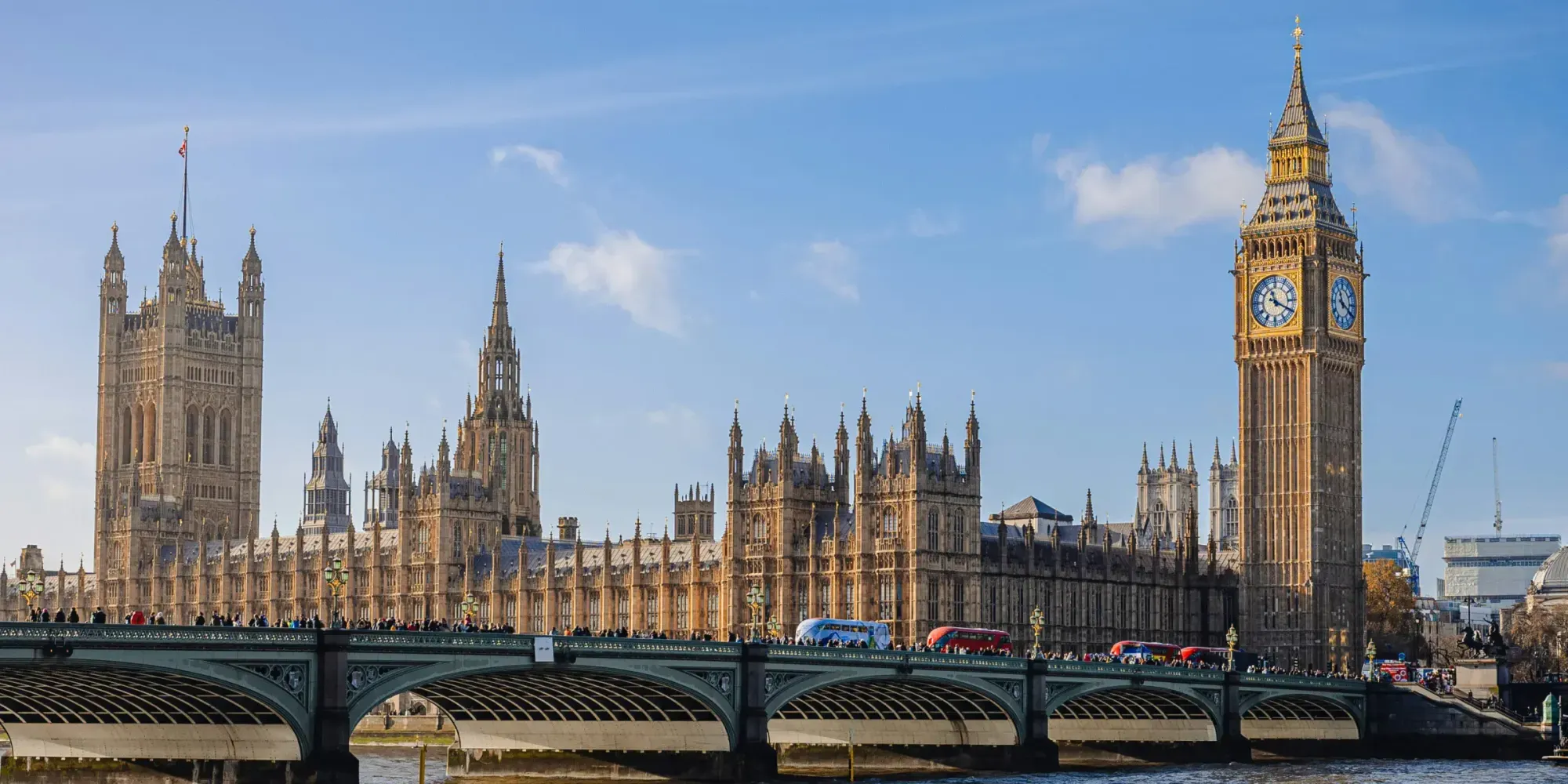
Imagine walking through London and owning a slice of it. Not a souvenir from a gift shop, but a real stake in prime property – perhaps part of a luxury hotel in Mayfair or a piece of an office building – all acquired with a few taps on your phone. This isn’t a fantasy or exclusive privilege for billionaires. It’s becoming reality thanks to asset tokenization, a trend that is making property investment more accessible, quick, and digital. In the United Kingdom, an old-world real estate market is now colliding with cutting-edge blockchain technology, and the results are fascinating. This article takes you on a journey through tokenization in the UK: what it means, how it’s unfolding in real estate, and why it’s capturing the imagination of everyone from small investors to big banks.
From Bricks to Bits: What Is Tokenization?
Simply put, tokenization means turning real assets into digital tokens on a blockchain. These tokens work like tiny shares that represent ownership of the asset. In real estate, this allows a large property – say a £10 million building – to be split into thousands of digital shares. Instead of one buyer owning the whole building, many people can buy fractional stakes via tokens. Each token might correspond to a small percentage of the property’s value or rental income. The blockchain keeps a secure record of who owns each token, and tokens can potentially be traded easily, much like selling stocks online.
For investors, this is revolutionary. Traditionally, buying property in the UK is costly and involves piles of paperwork. But with tokenization, someone could invest £100 or £1,000 to become a co-owner of a property – without dealing with bank mortgages or solicitors. The tokens can be bought, sold, or transferred quickly on digital platforms, bringing much-needed liquidity to the brick-and-mortar world of real estate. This means property, which is usually hard to sell in pieces, starts to behave a bit more like liquid assets such as stocks. The benefits of tokenizing property are clear: lower barriers to entry for investors, a wider pool of buyers for sellers, faster settlement of deals, and transparent records on the blockchain.
It’s not just theory – the UK has begun to see this in action. Over the past few years, pioneering projects have shown that everything from hotels to land plots can be tokenized. Before we dive into those real-life examples, let’s look at why the United Kingdom is an ideal place for this digital transformation of real estate.
Why the UK Is Ripe for Real Estate Tokenization
The United Kingdom has a long-standing love affair with property. “Safe as houses,” the saying goes – owning land or a home has been a traditional way to build wealth and security. London, in particular, is a global property hub, attracting investors from all over the world. However, UK real estate is also famously expensive and often out of reach for ordinary people. Tokenization offers a possible new era: one where a young investor in Manchester, or an enthusiast in Mumbai or New York, can buy a fraction of a London property rather than having to pony up millions for a whole building.

Several factors make the UK fertile ground for tokenization. First, the country is a global fintech leader – from digital banking to crowdfunding, Brits are quick to adopt financial innovations. Second, the legal system in the UK is well-developed for property rights and investments, giving a solid framework on which to graft new digital tools. Importantly, UK regulators have signaled openness to blockchain in finance. This is crucial: without legal clarity, tokenization can’t progress. Thankfully, Britain’s regulators are not only providing clarity but even actively encouraging experimentation in this field.
Supportive Regulation and Sandboxes
In the UK, financial authorities have been fairly proactive in addressing crypto-assets and tokenized securities. The Financial Conduct Authority (FCA), which regulates finance, has made it clear that asset tokens with characteristics of securities (like shares or bonds) are treated as securities under the law. In practice, this means if someone tokenizes a building and those tokens give you ownership or profit rights, the project must comply with the usual securities rules – things like investor protections, anti-money-laundering checks, and using authorized financial platforms. In other words, tokenized real estate isn’t a lawless Wild West; it’s being folded into the UK’s well-established investment regulations to protect participants.

What’s exciting is that UK regulators are not just putting up guardrails, they’re also paving the road. In 2024, Britain’s authorities set up a Digital Securities Sandbox in partnership with the Bank of England to let firms test tokenization projects in a safe environment. This sandbox, launched in September 2024, allows companies to trial the issuance and trading of tokens under draft rules without immediately needing full regulatory approval. It’s essentially a supervised playground for innovation. Through this, the FCA is saying: “We see potential in tokenization, and we want to learn by doing.” The UK, after leaving the EU, is crafting its own path for crypto and tokenized assets – with new laws expected in 2025 to update the framework. Until those laws arrive, most real-estate token offerings are working through existing regulated entities (like licensed brokers or crowdfunding platforms) and following standard rules on things like KYC (know-your-customer) and transparency.
This balanced approach – protect investors but encourage innovation – is positioning the UK as a friendly jurisdiction for tokenization. The government has even voiced ambitions to make the UK a global hub for digital asset innovation, and this is more than talk. We see action in the form of the FCA’s sandbox and support for pilot projects. “Britain treats security tokens as investments; what’s new is the FCA’s active encouragement of blockchain trials in safe regulatory playgrounds,” one industry guide notes. All of this creates a conducive backdrop for real-world projects to bloom. And bloom they have – let’s explore some pioneering tokenization projects in UK real estate that illustrate this trend.
Pioneering Projects in UK Real Estate Tokenization
Tokenization might sound abstract until you see the concrete (and steel and glass) examples. Over the last few years, several notable projects in the UK have tokenized real estate assets, blazing a trail for others to follow. These range from commercial buildings and hotels to plots of land and even government-backed experiments. Here are some highlights that show the diversity and promise of UK real estate tokenization:
Student Housing in Nottingham – A First for the UK

Back in 2019, a fintech startup made headlines by tokenizing a student accommodation block in Nottingham. The platform Smartlands turned 30% of a £12 million student residence into digital tokens and sold those to investors worldwide. In doing so, it became the first project to successfully sell tokenized property shares in the UK. The student housing, consisting of 124 studio apartments, was managed by a professional firm – but now had a global pool of part-owners.
Investors who bought the tokens effectively held shares in the company that owned the building, entitling them to a portion of rental income and potential price appreciation. Smartlands retained the other 70%, and arranged for investors to earn an estimated 7.7% annual return from the rents. This pilot demonstrated that even a mid-sized property in England can be fractionalized and sold to multiple investors online, lowering the entry ticket to the real estate game.
The Mayfair Hotel – Luxury London Tokenized

If the Nottingham deal was a small first step, London soon provided a splashier example. Also in 2019, a consortium of Gulf investors (families from the Middle East) backed a landmark tokenization of a luxury hotel in Mayfair, London. This 5-star hotel, valued around $600 million, was converted into digital equity shares on a blockchain platform. The tech firm Liquefy partnered with the investors to issue tokens representing ownership in the hotel’s holding company. Essentially, people could buy tokens that gave them a fractional stake in an iconic London hotel’s profits and future sale value.
According to Liquefy, this was the largest single real estate asset ever tokenized at that time – part of a larger $1 billion tokenization initiative led by those investors. What’s remarkable is that an ordinary person with access to that platform could invest in a Mayfair hotel, something unimaginable before. This deal showed how tokenization can open exclusive London properties to wider investor pools and hinted at a future where even high-end real estate could be democratized.
HM Land Registry’s Digital Street Pilot – Government Gets Involved

It’s not just private companies testing the waters. Her Majesty’s Land Registry (HMLR), the official keeper of land records in the UK, ran an innovative pilot project to explore blockchain for property transactions. In this proof-of-concept, HMLR created a prototype “Title Token” to represent a property’s ownership shares. They worked with a tech partner to issue this token on a digital platform, mimicking the sale of a house but in a fully digital way. The token was essentially a digital twin of the property’s title deed, which owners could divide into shares and offer for sale. While this was an R&D experiment under HMLR’s Digital Street initiative, it closely resembled a real transaction process.
The results were promising – the pilot showed that using smart contracts and a secure blockchain could speed up property deals, cut out piles of paperwork, and allow fractional ownership. The Land Registry proved that even one of the oldest institutions (recording property rights since the 19th century) can innovate with tokens. They found that such a system could save costs, reduce transaction times, and broaden access by letting people buy small shares of real estate. It’s a strong signal when a UK government body says, “Yes, this technology can work for real estate” – lending credibility to tokenization efforts.
Beachfront Land via NFT – A UK First
Tokenization isn’t limited to big buildings; it can apply to land as well. In 2022, a prime seaside plot in Lymington, Hampshire was put up for sale as an NFT (non-fungible token) – marking the first time in the UK that land was sold through an NFT mechanism. West London City Lets, a property consultancy, created a sub-agency called Tokenized Properties to handle this unique sale. They listed a beachfront plot on the blockchain for the equivalent of £1.25 million in cryptocurrency. Interested buyers could bid in crypto, and the winner would receive an NFT representing the land’s ownership contract.

Essentially, the NFT was a digital deed to the plot, backed by legal agreements to transfer the real property title to the NFT holder. The project partnered with tech firms (like Mattereum, which provided a digital asset passport for the land) to ensure that the tokenized sale would legally and securely pass the property rights to the buyer. This experiment aimed to eliminate the usual bureaucracy of property sales – no thick paper contracts, no waiting months for escrow. Instead, an instantaneous blockchain transfer could, in theory, convey ownership (with a follow-up step to register the new owner for £1 via traditional means once they choose to finalize it). It’s a bold example that got a lot of attention: a piece of English coast sold as a token! While niche, it showcased the creativity in the UK real estate market – even land in a small town can be turned into a digital asset and sold worldwide.
Each of these projects – whether it’s student housing, a five-star hotel, a government pilot, or a coastal land NFT – highlights different aspects of tokenization. Together, they paint a picture of a UK market testing how blockchain can reshape property investment and transactions. Early successes have not been without challenges (for example, most offerings so far have been to accredited or overseas investors due to regulatory constraints), but they have proven the concept and stoked more interest. Importantly, these cases also show that tokenization is flexible: it can be done via security tokens (for equity or profit-sharing in a property company), or via NFTs (for one-of-a-kind assets like a singular land title).
UK startups are now emerging to build on these successes. Property technology (“PropTech”) firms like Smartlands (now rebranded as Definder), and newer platforms like Revested, are creating end-to-end tokenization services, aiming to make such deals routine. Their goals are often to speed up notoriously slow property transactions, cut costs, and increase transparency in the UK real estate market. By automating trust with blockchain, they seek to avoid deals falling through (a common issue in traditional sales) and to let assets be traded more freely. The momentum is building, and not just in property.
Beyond Property: Tokenization Across UK Industries
While real estate is a major focus, tokenization in the UK isn’t confined to buildings and land. The same concept – dividing assets into digital shares – is spreading into other areas, supported by Britain’s innovative climate. Two sectors in particular have seen intriguing tokenization moves: fine art and mainstream finance.

The art world got an early taste of tokenization in London. In 2018, a Mayfair art gallery called Dadiani Syndicate teamed up with tech platform Maecenas for a groundbreaking auction. They took Andy Warhol’s famous painting 14 Small Electric Chairs and offered 49% of it for sale via blockchain tokens. In what was billed as the world’s first tokenized art auction of a renowned artwork, buyers could purchase fractions of the Warhol painting using cryptocurrency. Essentially, each buyer would get a digital certificate on Ethereum representing a piece of ownership of the canvas hanging on a gallery wall. The painting, valued at about $5.6 million, was now open to collective ownership. Eleesa Dadiani, the gallery founder, said they were “making history” and that this would democratize access to high-end art. Indeed, fine art tokenization let art lovers and investors with a modest budget participate in a market that’s normally for millionaires. This London experiment demonstrated that tokenization can apply to cultural assets, not just real estate – and the UK was at the forefront of that too.
Perhaps the most significant expansion of tokenization, however, is happening in the financial sector. British financial institutions are exploring how tokenized assets can make markets more efficient. A very recent example (mid-2025) involves Lloyds Banking Group – one of the UK’s biggest banks – and the asset manager abrdn. They completed a pilot using on‑chain tokens as collateral for foreign exchange trades between banks. In this trial, instead of swapping traditional securities papers, the parties used tokenized units of a UK government bond (a gilt) and a money market fund to secure an FX trade. These tokens, issued on a regulated digital exchange (Archax) and recorded on a public blockchain network, moved between accounts in seconds, enforcing the trade’s rules automatically. The normal process would have taken half a day and involved multiple intermediaries – but the token transaction took under 30 seconds. This proved that digital assets can work within UK rules and drastically cut settlement times. In fact, the same setup could be applied to other areas of finance: the pilot report noted that such tokenized collateral might next be used to streamline securing mortgage portfolios or commercial property loans. It’s easy to see the bridge back to real estate – a bank could lend money against a property and hold a token representing that property as collateral, potentially automating and speeding up what is currently a slow, paper-heavy process.
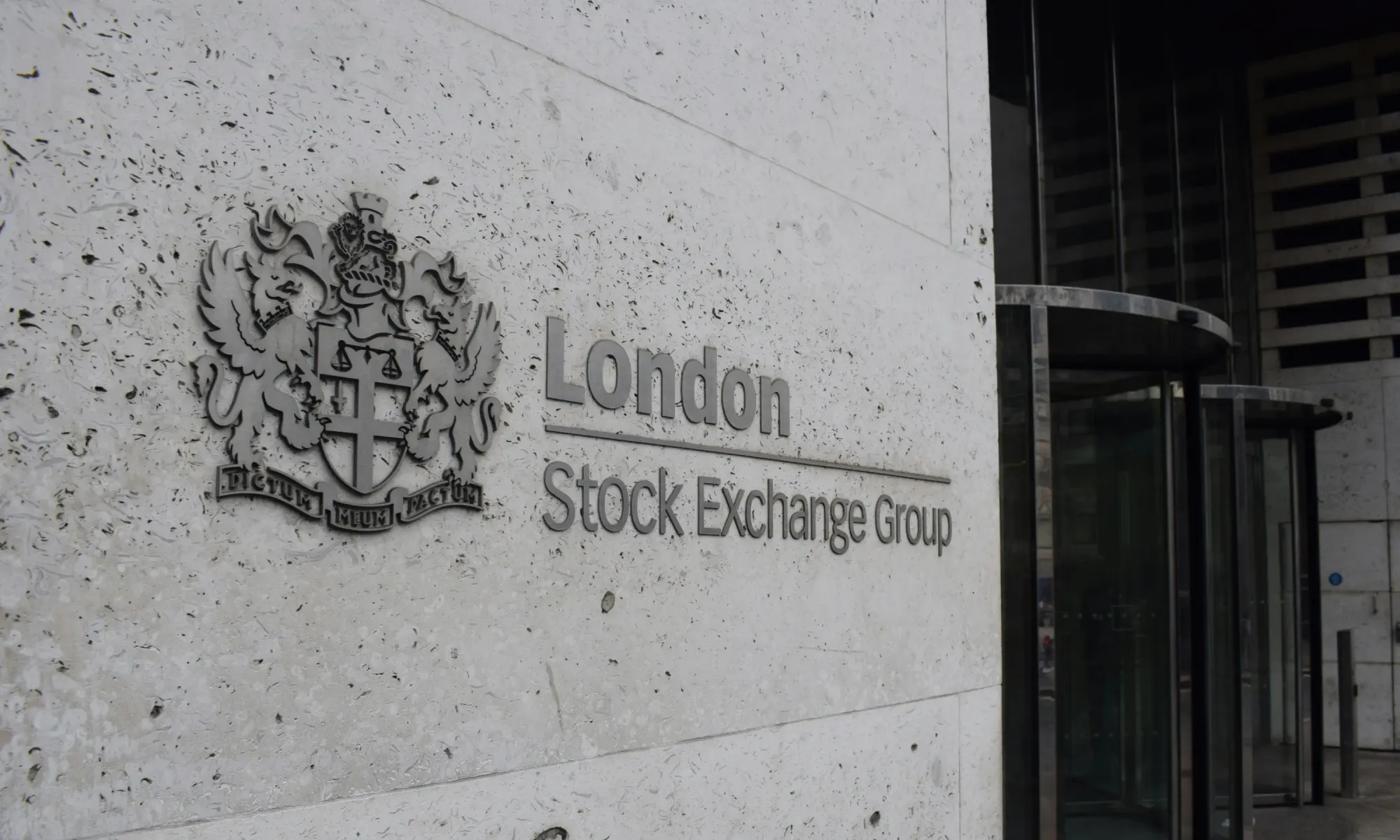
The Lloyds trial is part of a bigger picture where tokenization is making inroads into mainstream markets. The London Stock Exchange Group (LSEG) has also jumped in: in late 2023 it announced plans for a new digital platform to support tokenized assets, and by 2025 LSEG launched a blockchain-powered market for private investment funds. Their goal is to use tokenization to open up private markets, allowing easier fundraising and trading of things like infrastructure or venture capital funds, all under regulatory oversight. This shows that tokenization in the UK isn’t a fringe idea – it’s being adopted by big institutions to modernize finance. Tokenized fund units, bonds, and even invoices are being tested as we speak, often with official support. For instance, the Bank of England is examining digital settlement systems, and the UK government is considering how English law can accommodate blockchain records for property and stocks.
From fine art to financial collateral, these examples underline a key point: the UK sees tokenization as a broad innovation, not limited to any one domain. Real estate might be one of the most visible and immediately understandable uses (after all, who wouldn’t want to own a bit of that shiny new skyscraper in London’s skyline?). But the same principles are being applied to make other investments more accessible and efficient. This cross-industry embrace strengthens the overall ecosystem – lessons learned in one area (say, how to verify digital ownership legally) can benefit others. And as various pilot projects succeed, confidence grows among regulators, investors, and the public.
Challenges and the Road Ahead

While the story of tokenization in the UK is exciting and full of promise, it’s not without hurdles. This is still an emerging field, and several challenges need to be navigated for tokenization to truly go mainstream in Britain:
- Regulatory Clarity and Consistency: The UK’s regulatory stance, as discussed, is progressive, but until the new cryptoasset laws are in full effect (expected in 2025), there remains some uncertainty. Projects currently often proceed on a case-by-case basis using existing laws. Clear guidelines on things like how tokenized property rights are recorded legally (for example, ensuring a token holder’s claim on a house is enforceable in court) will be crucial. The good news is that lawmakers are actively working on this, and the sandbox programs are helping to iron out legal wrinkles by the time broader rules arrive.
- Investor Education and Trust: For the average person, tokenization is a new concept. Convincing someone to invest in a token rather than a traditional property fund requires building trust. Investors need to understand how blockchain works to secure their ownership, and that they still have legal rights behind the token. The collapse of some risky crypto schemes in recent years has made some people cautious about anything involving tokens. Therefore, UK tokenization platforms and issuers are emphasizing investor protection and transparency – for instance, conducting strict KYC/AML checks and offering clear documentation – to show that these are genuine investments, not wild speculation. As successful case studies accumulate (and are publicized on sites like Tokenizer.Estate’s news portal), confidence is likely to grow.
- Market Liquidity and Platforms: For tokenization to deliver on its promise, there must be secondary markets where people can trade their tokens easily. In the UK, regulated exchanges like Archax are pioneering this, providing a venue for trading security tokens under FCA oversight. But these marketplaces are still young and need more participants. It will take time to build vibrant liquidity so that selling your tokenized share of an office building is as straightforward as selling a stock. Until then, some token holders might find it hard to exit their investment quickly – which could dampen enthusiasm. The positive development is that more financial firms are coming on board to market and use these tokens (recall how Lloyds’ pilot envisions even posting buildings or invoices as collateral tokens in everyday banking). As usage increases, liquidity should improve.
- Technical and Security Aspects: Blockchain tech underpins tokenization, and while blockchains are designed to be secure, no system is foolproof. Platforms must safeguard against hacks, ensure smart contracts (the programs controlling tokens) have no bugs, and provide user-friendly experiences. The UK tokenization industry is aware of this. Ongoing vigilance is needed to maintain trust that these digital assets won’t just vanish or be stolen due to a technical flaw.

Despite these challenges, the trajectory for tokenization in the UK looks bright. The country’s blend of financial heritage and tech innovation makes it well-placed to tackle these issues. British regulators and companies are actively sharing knowledge with international bodies to standardize best practices. Already, the UK is showcasing how tokenization can work within a robust legal system, which could inspire other nations. Industry observers predict that as laws harmonize and infrastructure matures, tokenized real estate and other assets will shift from novelty to normalcy over the next decade.
The road ahead will likely see more hybrid approaches – combining traditional frameworks with new technology. For instance, we might have digital asset registers linked to the Land Registry (so that a token transfer could automatically update the official property title). We may also see more public offerings of tokenized assets, allowing everyday Britons to participate in what has so far been mostly private or institutional token sales. If the planned larger rollouts happen – such as Lloyds aiming for a 2026 launch for clients to tokenize assets as collateral – it will mark a significant scale-up, weaving tokenization into the fabric of everyday finance and investment.
Conclusion: A New Chapter in UK Investment
From the quaint streets of Nottingham to the gleaming hotels of London and the halls of the Bank of England, tokenization is writing a new chapter in the UK’s storied investment landscape. What began as a bold idea – that a house or even a piece of art could be broken into digital bits and traded globally – is now steadily becoming reality. The United Kingdom, with its mix of tradition and innovation, has embraced this concept in a uniquely balanced way: fostering innovation while maintaining trust. The narrative that emerges is one of democratization and modernization. An investor no longer needs a fortune or insider connections to own a share of prime UK real estate, and transactions that once took months might soon settle in seconds on a blockchain.

As we’ve seen, the UK’s journey in tokenization is still in its early stages, but it’s rich with interesting stories – successful pilots, “first-ever” milestones, and collaborative efforts between old institutions and new startups. Each success builds momentum. Tokenization in the UK is moving beyond buzzword status and proving its value on the ground (or perhaps we should say, on-chain). There is a genuine narrative thread from past to future: centuries ago, British laws helped define modern property rights and investment; today, Britain is reimagining those concepts for the digital age.
For readers and investors, the key takeaway is that tokenization is making investment more inclusive and flexible. You might not be ready to jump in and buy a property token just yet, but don’t be surprised if in a few years this becomes as common as buying stocks or using online banking. The UK’s blend of cautious optimism and bold trials means that when you do take that step, the framework will be there to support you. In the end, tokenization in the United Kingdom is about marrying the country’s robust financial DNA with transformative technology – turning big Ben and mortar into bits and bytes, and inviting everyone to participate in ownership. It’s an exciting time where the next big property deal might happen not in a boardroom, but on a smartphone, and you could own a piece of it. The story is still unfolding, but one thing is clear: in the UK, tokenization is no longer just a theory – it’s happening now, making the once-unreachable within reach for many. And that opens up a world of possibilities for the future of investment.
Share this post
Build your own tokenization business with Tokenizer.Estate
Tokenizer.Estate provides a full end-to-end solution — from legal setup to blockchain infrastructure — to help you launch your project with confidence
Book a Free Consultation