Tokenization in Hungary: A New Way to Own Real Estate and More
Real estate tokenization in Hungary is emerging as a new way to invest in property through blockchain. This guide explains how fractional ownership works, what rules apply, and why Hungary is joining the global tokenization trend.

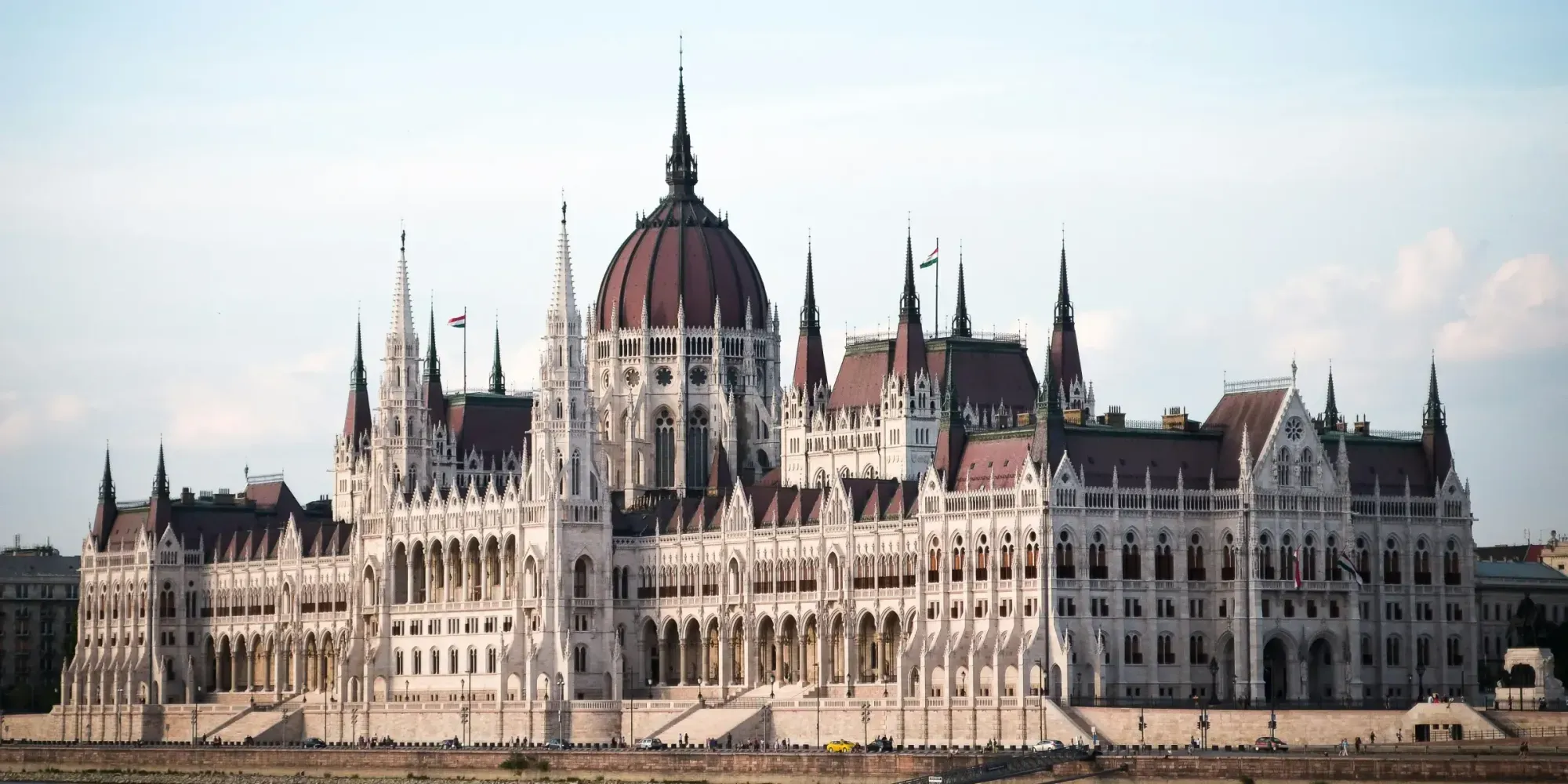
Hungary is famous for its castles, paprika-spiced goulash, and the Danube splitting Buda and Pest. Today, it’s also seeing a quiet shift in finance. Imagine owning a tiny piece of a grand Budapest apartment or a Budapest Castle suite, the way you collect stamps or coins. This idea is real: tokenization lets people own shares of property through digital tokens. In simple terms, it means turning a building into many digital “coins” on a blockchain. If you buy one token, you own that small part of the building.
For example, one explanation says to imagine dividing a skyscraper into thousands of tiny pieces – each piece is a token. Anyone buying a token becomes a fractional owner of the building. This makes expensive real estate more open: a company can sell small parts of a property to many people, which improves liquidity and creates new investment opportunities. In other words, tokenization can democratize real estate – it brings property investment to people who could not afford whole buildings. A recent article explains that tokenization lets companies “easily sell partial ownership” of assets like properties, making them available to a wider range of investors.

Many benefits come with tokenizing real estate. Tokens can often be traded on digital markets around the clock. One blog notes that token owners can buy or sell their share any time of day, giving high liquidity like a stock. This cuts out slow middlemen and extra paperwork: instead of long bank deals, a blockchain handles ownership records and rent payments automatically. Tokenization can also lower costs – one source says it “cuts out red tape and many fees” compared to traditional real estate. In practice, some token sales let people invest with just a few dollars or euros, instead of needing tens of thousands. All of this means even small investors in Hungary – think a cafe owner in Szeged or a teacher in Debrecen – could own a piece of a luxury apartment or office tower.
At the same time, tokenization is still new. It uses blockchain tech, so people need crypto wallets and some tech knowledge. The global market for tokenized real estate is growing but still small – estimates put it around $1–5 billion in 2025, tiny next to the traditional market. Regulations are also catching up: rules differ by country, and in Hungary they are only emerging. Still, with technology spreading fast and more governments catching on, tokenized real estate is gaining serious interest worldwide.
Real Estate Tokenization in Hungary Today
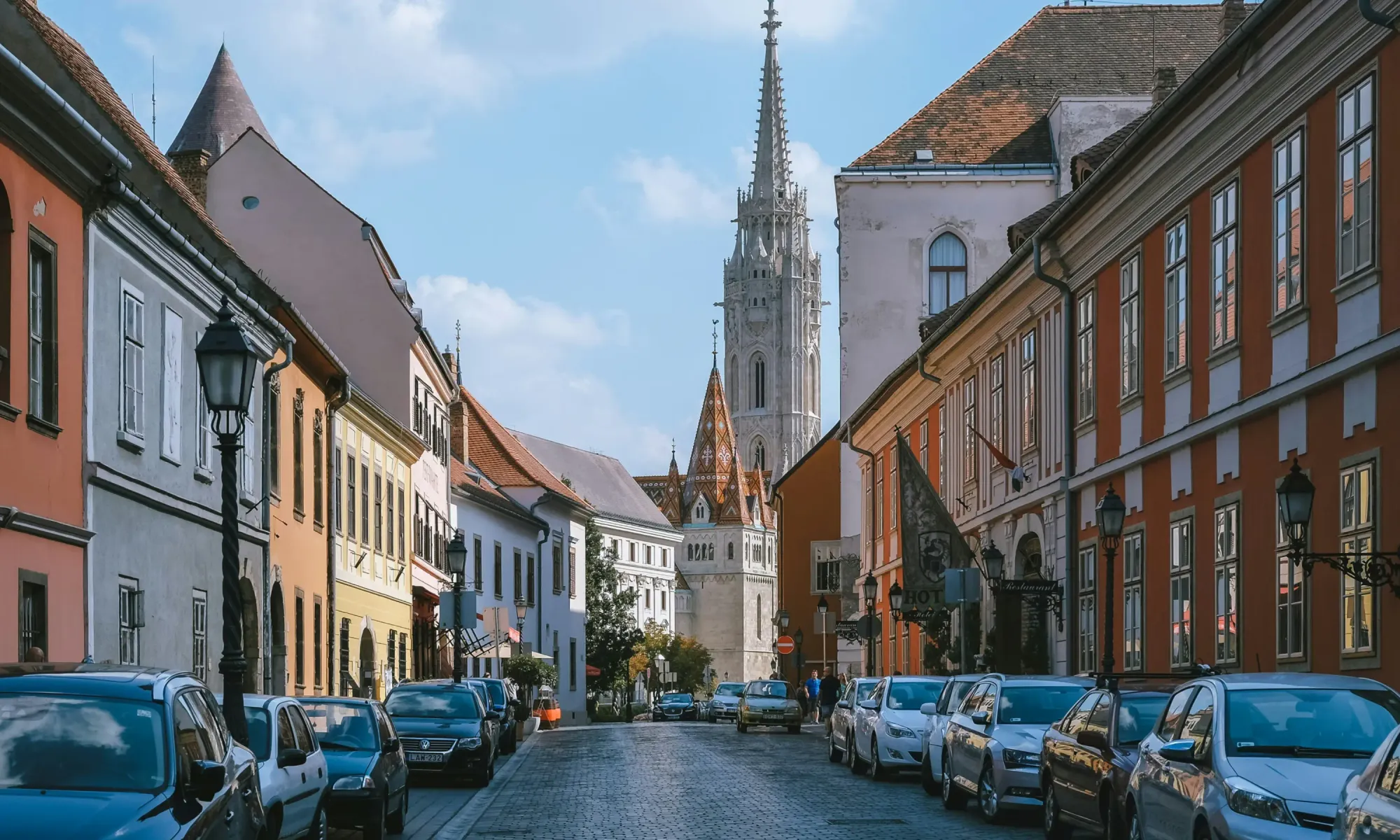
Hungary is starting to join this trend, especially in real estate. Local fintech and property firms are experimenting with tokenization. Case studies in Hungary show what’s happening. For example, one Budapest startup built a platform that turns commercial buildings into tokens. Investors can use it to buy fractional ownership in office or retail properties. Another project lets art collectors invest similarly: a Hungarian art gallery now offers tokenized shares of paintings. In theory, even a scenic Balaton chalet or a wine cellar in Tokaj could be tokenized one day.
Fintech platforms are also moving in. For instance, FINEXITY (which operates in Hungary and other countries) says it “digitizes assets” with blockchain to reduce barriers and let investors trade easily. In Hungary’s real estate sector, fractional ownership could unlock billions. A local guide notes tokenization can “open up the market to a wider range of investors” by letting high-value properties be shared in small pieces. As one article explains, a single Budapest office block could be divided into thousands of tokens. Then Hungarians (and foreign investors) could buy or sell tokens on digital platforms, adding speed and transparency.

Interest is growing among banks and funds too. Hungarian banks are exploring tokenized bonds and stocks so that more people can invest and trading can be faster. This follows EU trends: Europe’s new crypto laws (MiCA) treat tokens of real-estate equity or debt like securities. In practice, a Hungarian bank might someday issue a tokenized bond for a real estate fund, letting investors own pieces of it on a blockchain.
Of course, Hungary’s market is still young. By late 2025, global tokenized real estate was around $5.6 billion, which hints at strong growth (and Hungary is a small part of that). Local demand is tied to interest in crypto generally. In fact, Hungary saw around 500,000 people trading cryptocurrencies by the early 2020s, showing many Hungarians are open to digital finance. This crypto-savvy crowd provides a base of potential investors for tokenized assets.
Rules and Regulations in Hungary
Hungary is aligning its rules with the EU and taking steps to regulate crypto and token platforms. The key law is Act VII of 2024, which brought Hungary in line with the EU’s MiCA regulation. Under this law, the Hungarian central bank (MNB) became the authority licensing crypto-asset services. That means any platform dealing in digital assets (including real estate tokens) will eventually need an MNB license to operate legally.

Hungary also put tough rules on crypto trading in 2025. As one report explains, from July 2025 all crypto exchanges must pass a state-run approval process. Platforms have to verify users and track money flows. Without official approval, any crypto-to-fiat exchange is illegal. The penalties are strict: unlicensed trading can mean prison time (2–5 years for individuals, even 8 years for big offenders). In plain terms, even if you earn a coin by flipping a Budabank cantus, you must trade it on an approved site or risk legal trouble.
Because property tokens usually count as securities under EU law, Hungary will treat them carefully. The EU’s MiCA law specifically excludes tokens that look like stocks or bonds, so those tokens follow older financial laws. In Hungary this means a token representing part of a building must obey the same rules as other investment contracts. Issuers likely will need to satisfy securities rules and ensure all investor checks (KYC/AML) are done. In short, Hungary’s tokenization rules are still forming, but they will be strict. A legal summary notes that under current law, crypto firms need a CASP license from the MNB to offer any token-based service.

These new regulations create both clarity and caution. On one hand, aligning with MiCA gives a clear path: firms know they must meet EU standards. On the other, the early enforcement (like exchange bans) has made some platforms pause operations until everything is clearer. The full licensing regime started in late 2024, with a grace period until mid-2025. Now in 2026, tokenization projects must plan for compliance. Some Hungarian companies may choose to partner with already-licensed crypto firms to issue tokens legally.
Tokenization Beyond Real Estate
Real estate is the headline, but tokenization ideas are spreading to other fields in Hungary too. For example, art and collectibles: one gallery lets art lovers own shares of expensive paintings via tokens. This brings liquidity (cash) to artists and chances for more people to invest in cultural objects. In healthcare, tokenization could secure patient records or track medicines. Recording health data on a blockchain can improve privacy and trust, making it easy for a patient or doctor to control who sees the records. Even supply chains and green energy projects are talking about using tokens.

Hungarian banks and insurers are also experimenting. The banks see tokenized bonds as a way to cut costs and let a broader range of savers join in. Some startups might issue tokens tied to renewable energy or tech ventures. In short, finance and tech sectors are eyeing tokenization as part of Hungary’s digital future. And with Hungary’s strong tech workforce and government support for fintech, more blockchain pilots can take off.
However, each new area faces similar hurdles. As a local report warns, regulatory uncertainty is a big barrier. Many firms say: we want to use tokens, but we need clear rules and approved sandbox programs. Technology is another issue: building a safe token platform needs investment in crypto coding and security. And perhaps most importantly, people must trust it. Because tokens are linked to cryptocurrencies (which have had wild swings), many ordinary people are still wary. Public education and demonstration projects will be key to overcome this skepticism.
What Tokenization Means for Investors and the Market
For Hungarian investors, tokenization could unlock exciting new options. It can break large assets into small pieces. Even a modest investor could own a token of a fancy lakeside villa. Global firms like BlackRock’s CEO have called tokenization “the next generation” of markets, because it could speed up deals and make ownership records clearer. And that is the hope for Hungary too: to use token tech to boost liquidity and efficiency.
On the other hand, experts caution that tokens carry different rights. A recent report points out that investors must check “who holds the deed” and what exactly their token means. In practice, a property token might only give a share of rental income, or it might let you vote on property issues. These details vary by project. So thorough vetting remains important. Still, with proper structure, tokens can make real estate nearly as liquid as stocks.

Tokenization also fits Hungary’s wider goals. The country wants more innovation and inclusion in finance. By enabling fractional ownership, token platforms can attract new savings (even small ones) and channel them into local development. For example, building affordable housing or upgrading old thermal baths could find financing from token-backed investments. In fact, one review says tokenization’s spread in Hungary aligns with national goals of financial inclusion.
Tokenization in Hungary is still early, but the pieces are falling into place. Investors should watch for licensed platforms, and take advantage of lower entry barriers. As Hungary moves forward, tokenization is becoming the “stronger trend” for real estate projects.
Conclusion
Hungary may not be the global leader yet, but it is steering into the token economy at the right time. The blend of rich real estate, EU-aligned regulation, and tech-savvy population creates good conditions. Citizens could someday say they share in a Danube-view condominium or a downtown galleria via a blockchain ledger. As one guide notes, the growth of token projects is a worldwide trend – Hungary is joining that wave.

Importantly, Hungary’s government and banks are working to make the rules clear and trustworthy. With strict licensing and quality checks, token investors can have confidence. People should still do homework (check whitepapers and legal structure). But the promise is that even a small-time investor could own a piece of a landmark, just by buying tokens online. Hungary’s famous bridges and baths might soon have digital bridges and blockchain faucets – connecting people to new ways of investing in the country they love.
Share this post
Build your own tokenization business with Tokenizer.Estate
Tokenizer.Estate provides a full end-to-end solution — from legal setup to blockchain infrastructure — to help you launch your project with confidence
Book a Free Demo