Real Estate Tokenization in Austria: Tradition Meets Digital Innovation
In this article, we explore real estate tokenization in Austria, covering regulation, active projects, and how blockchain is entering the local property market.

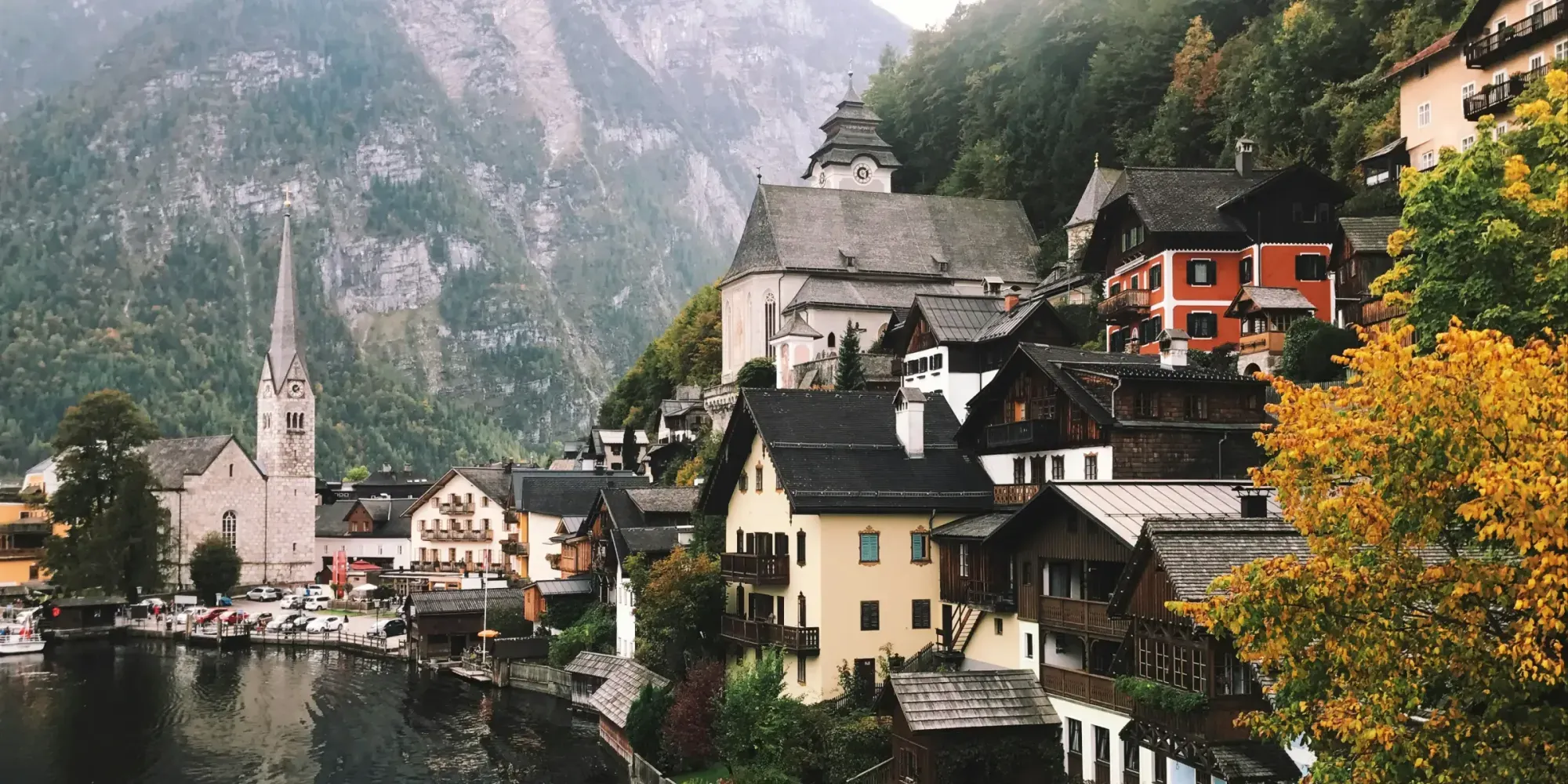
Imagine walking through Vienna’s historic streets, surrounded by imperial architecture and coffeehouses, and knowing you could own a tiny share of one of those elegant buildings – all through your smartphone. This is not a far-off fantasy but a growing reality thanks to tokenization. Austria, a country known for its rich cultural heritage and financial stability, is quietly embracing this digital innovation. In simple terms, tokenization means turning a real asset (like property) into tradable digital pieces on a blockchain. It allows many people to invest in fractions of assets that used to be accessible only to the wealthy. In Austria, this concept is starting to reshape how people think about owning property.
Despite its old-world charm, Austria is no stranger to fintech innovation. Today, a range of tokenization projects is blooming in the country. From real estate and renewable energy to famous artworks, Austria is exploring how to blend its traditional strengths with the efficiency of blockchain. This article offers an easy-to-follow overview of real estate tokenization in Austria: how it works, what’s happening on the ground, the rules in place, and where things might be headed next.
What Is Real Estate Tokenization?
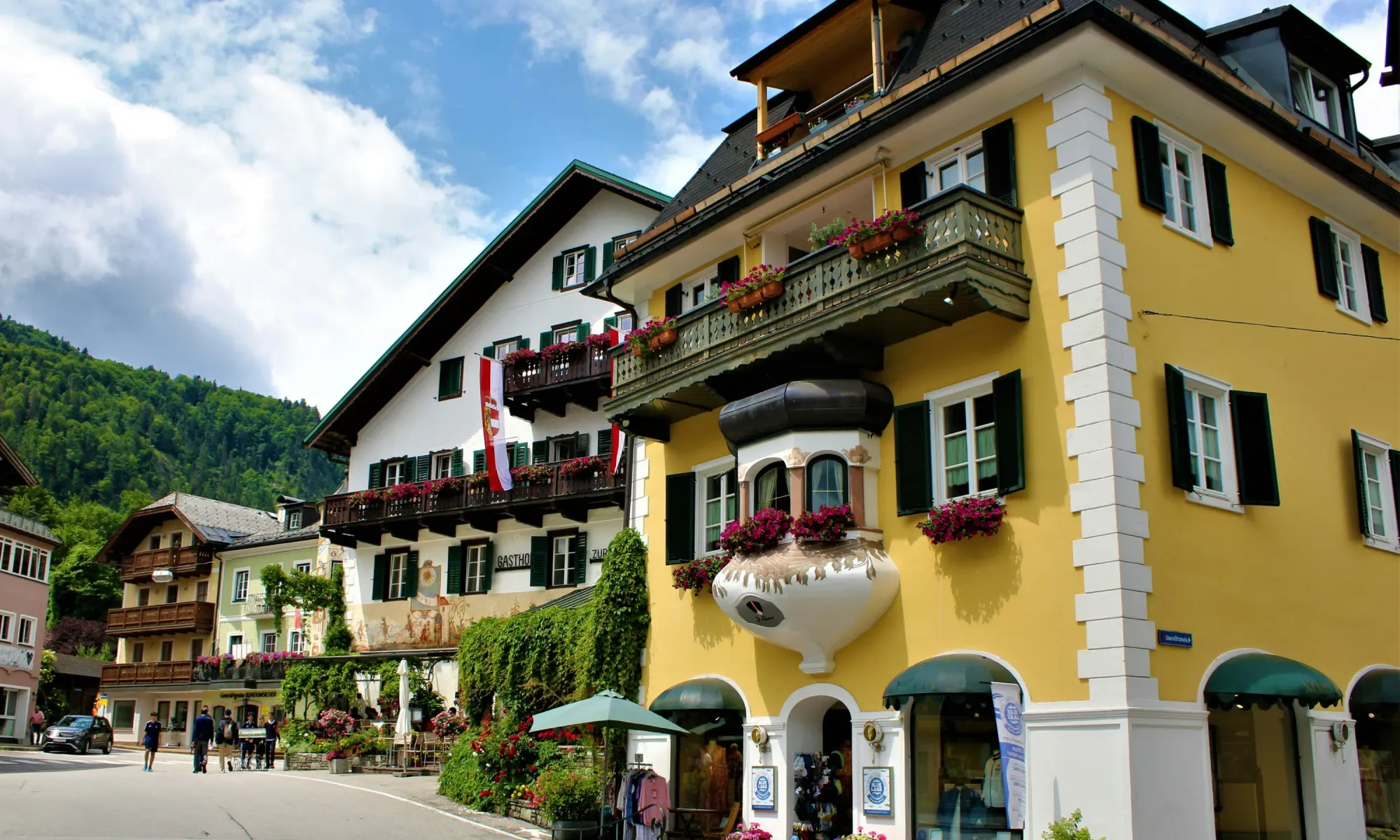
Real estate tokenization sounds like a mouthful, but the idea is straightforward. It means turning a property into digital shares that can be bought and sold online. Imagine an alpine cabin> worth €500,000 being divided into 10,000 tokens; each token represents a small slice of that cabin. Instead of one buyer owning the whole property, hundreds of people could each invest a small amount and become co-owners via tokens. Each token acts like a digital deed for a fraction of the property, with every ownership record and transaction stored transparently on a blockchain ledger.
For investors, this opens new doors. Traditionally, buying property in Austria requires substantial money and paperwork. Tokenization lowers the barrier: someone could invest €100 or €1,000 to get exposure to the real estate market without buying an entire house. These tokens can potentially be traded much faster than selling physical property, bringing liquidity to a historically illiquid asset. In other words, real estate starts to behave a bit more like stocks – easier to buy or sell in pieces.
Early Moves and Growing Interest in Austria
Unlike some countries that made headlines with a big first tokenized property sale (France, for example, saw a historic €6.5 million mansion sold via blockchain shares in 2019), Austria’s foray into real estate tokenization has been more gradual. Early on, there were small pilot projects and startups experimenting in this space. One early startup, Brickwise, allowed small investors to buy fractional shares of rental properties and earn income. However, Brickwise ultimately launched its platform from Germany due to Austria’s unprepared regulations at the time. This early experience showed the potential of tokenized real estate but also the need for clearer laws.

In the last couple of years, interest in tokenization has ramped up significantly in Austria. The European Union passed the Markets in Crypto-Assets regulation (MiCA), which took effect in late 2024, providing a uniform legal framework for crypto assets across member states. Austria moved quickly to implement these rules. The Austrian Financial Market Authority (FMA) became one of the first regulators in Europe to license companies under MiCA. By late 2025, Austria had approved six crypto service providers under the new regime, including local fintech heavyweight Bitpanda and global exchanges like Bybit and KuCoin. These firms chose Austria as their European base due to its timely implementation of MiCA, stable regulations, and access to skilled blockchain professionals. In fact, Bybit – one of the world’s largest crypto exchanges – secured its EU license from the FMA and set up its European headquarters in Vienna in 2025. Importantly, regulators have made it clear that tokenized real estate isn’t outside the law – if tokens carry ownership or profit rights in a property, they are regulated just like stocks or bonds with all the usual rules. This ensures that offerings must include proper investor disclosures and anti-money-laundering checks, giving the public confidence that tokenized assets play by established rules. Such developments indicate that Austria is positioning itself as a friendly hub for blockchain innovation, which bodes well for real estate tokenization initiatives.
Real Projects: Tokenizing Property on Austrian Soil
What does real estate tokenization look like in practice in Austria? There are already a few notable projects and platforms making headway. One example is Rocksolid Estate AG, which offers investors a chance to invest in tokenized real estate with monthly rental payouts. Rocksolid’s model pools a portfolio of commercial properties in Austria and Germany. Investors purchase digital tokens (called ROC tokens) that represent a share of this property portfolio. According to the company, token holders currently receive rental yields of around 4–5% per year, and also benefit from any increase in the properties’ value. Essentially, it’s like a modern digital REIT (Real Estate Investment Trust) delivered through blockchain tokens. Rocksolid even gives token holders certain voting and decision rights via a prospectus, so they have a say in some company matters, much like shareholders.
Another pioneering case is SIDO Immobilien, a Viennese real estate developer that turned to tokenization to fund new projects. SIDO launched an STO (security token offering) that issued about €20 million in digital tokens giving investors a share of its real estate profits. The sale was fully regulated with an approved prospectus, adding credibility. However, the tokens lacked a public trading market and could only be resold privately (peer-to-peer), highlighting that liquidity is still a work in progress.
International players are also leaving a mark on Austria’s tokenized property scene. For instance, Blocksquare – a well-known blockchain real estate company from neighboring Slovenia – has provided technology to tokenize properties across several countries. Blocksquare’s platform has already helped tokenize over 140 properties worldwide, including some in Austria. In 2023, Blocksquare completed continental Europe’s first fully notarized blockchain property sale in Slovenia, and it has since announced plans to run pilot tokenized real estate projects in Austria. This cross-border collaboration suggests that expertise is flowing into Austria’s market. We may soon see an Austrian property (perhaps a hotel or apartment block) sold as digital tokens with full legal recognition – similar to what was achieved in Slovenia’s pilot deal.

Austrian financial institutions are getting involved as well. Vienna-based Bitpanda, primarily known as a crypto investment platform, has expanded into asset tokenization and secured multiple licenses as a compliant crypto service provider. Meanwhile, Raiffeisen Bank International (RBI), one of Austria’s largest banks, experimented with its own digital currency token. RBI’s project tokenized a form of e-money (basically a euro-backed stablecoin) to enable faster cross-border transfers for clients. While RBI’s initiative isn’t about real estate, it signals that major Austrian institutions are exploring blockchain tokenization to improve financial services. Their experience with blockchain could indirectly support real estate tokenization – for example, banks might eventually facilitate loans or secondary trading for tokenized properties.
Beyond Real Estate: Tokens for Art and Energy
Austria’s tokenization journey isn’t limited to property. In fact, some of the most interesting projects have emerged in art and energy, reflecting the country’s blend of culture and innovation. A shining example is the tokenization of perhaps Austria’s most iconic painting: “The Kiss” by Gustav Klimt was turned into 10,000 digital NFT pieces. In early 2022, Vienna’s Belvedere Museum – which houses Klimt’s masterpiece – sold these NFTs, each representing a tiny portion of a high-resolution digital image of the painting. Priced at €1,850 each, the tokens allowed art lovers to literally own “a piece” of the famous artwork. The museum raised about €4.5 million from this NFT drop. Buyers received certificates of authenticity on the Ethereum blockchain, and a secondary market formed where some owners resold their Klimt NFTs. While trading volume was modest (only a few hundred resales so far), this experiment showed how a traditional art institution can engage a global audience through tokenization.
Another domain where Austria applied tokenization is renewable energy. The MyPower project by Riddle&Code (a Vienna blockchain firm) and Wien Energie (the local utility) let consumers invest in solar panels and wind turbines via energy tokens. Participants could buy micro-shares of a photovoltaic farm and receive tokens that represent their portion of the energy produced. Those tokens could be traded or even used to pay electricity bills, effectively turning sunshine into a digital asset. This approach removed intermediaries and slashed settlement times from up to 90 days down to near real-time for energy payments. By automating and decentralizing the energy market, MyPower demonstrated the efficiency gains tokenization can bring to everyday services. It empowered consumers to support green energy directly and be rewarded in a transparent way.
Even the mobility sector saw innovation: the startup Eloop in Vienna tokenized part of its fleet of over 200 Tesla electric cars, allowing co-owners to share in the revenue from those vehicles. Essentially, people could buy tokens linked to an Eloop car and earn a portion of the car’s rental income. This creative model helped Eloop raise capital to expand its car-sharing fleet, while giving token holders an investment opportunity in the booming e-mobility market without having to buy a whole car. These non-real-estate examples might seem separate, but they build public awareness and trust in tokenization – which ultimately benefits the real estate sector as well.
Challenges and Road Ahead
Austria’s progress in tokenization is promising, but it’s still early days. There are several challenges to overcome as the country moves forward with real estate tokenization. One big hurdle is liquidity – making sure there are active secondary markets where people can easily buy and sell their property tokens. As we saw with the SIDO case, a token offering can be fully compliant and successfully raise money, yet investors might be stuck holding tokens that they can’t quickly trade. Building regulated exchanges or trading platforms for security tokens will be key to unlocking the full benefits of tokenized real estate. This will likely improve as Europe implements new rules for trading digital securities, and Austria adapts to those standards.

Another challenge is awareness and trust. Many potential investors and property owners simply aren’t familiar with tokenization yet. It will take time and education for people to feel comfortable with the idea of owning “digital shares” of an apartment or receiving rental income through a crypto wallet. Companies in Austria will need to keep the user experience simple – perhaps handling the blockchain tech in the background while letting users interact in plain language (for example, saying “buy shares of this property” instead of using complex crypto jargon). As more success stories emerge, confidence should build. Conversely, any high-profile failures or scams could set back public trust. That’s why transparency and strong consumer protection are crucial. Austria’s strict regulations are a strength here, ensuring tokenization platforms are well-supervised and boosting investor confidence that they’re not stepping into a Wild West scenario.
Despite these challenges, the opportunities on the horizon are exciting. Tokenization can make investing more inclusive – imagine Austrians being able to buy a slice of a Vienna hotel or a Tyrolean ski lodge as easily as buying stocks. It can also bring fresh capital into the property sector from abroad, since digital tokens can attract investors worldwide (within the limits of regulations). Analysts predict strong growth in the broader tokenized asset market: in Europe, this market is projected to grow about 20% annually, reaching around $3 billion in value by 2030. With its stability, tech-savvy talent pool, and supportive legal framework, Austria is well-positioned to capture a share of that growth. There’s regional momentum too – for instance, Lloyds Bank in the UK is looking to simplify homebuying with blockchain tokens – and Austria is part of this wave, contributing its own ideas and pilot projects.

Conclusion: A New Chapter for Austrian Real Estate
Austria’s journey into real estate tokenization is a story of blending old traditions with new technologies. This is a country where imperial palaces stand next to bustling fintech startups – a fitting image of heritage intersecting with innovation. By cautiously embracing blockchain, Austria is opening its property market to wider participation while maintaining the trust and order that investors expect. The narrative so far has been one of evolution, not revolution: no overnight upheaval, but steady progress through pilot projects, improving regulations, and growing public interest.
The coming years will likely see more properties tokenized across Austria. Traditional real estate firms may partner with tech startups, and new players will introduce creative models (just as seen with tokenized cars and art). This trend is part of a wider movement – even big banks abroad are exploring tokenization (for instance, Lloyds Bank in the UK is looking to simplify homebuying with blockchain tokens). Austria is part of this wave, contributing its own ideas and pilot projects.
Real estate tokenization in Austria is moving from concept to reality one step at a time. The country has set the stage with a friendly yet firm regulatory environment and is now seeing the first chapters of practical implementation – from fractional rental apartments to renewable energy ventures. Yes, challenges remain, but each one is an opportunity to refine the model and build trust. This trend means more access and flexibility for investors: the possibility to own a slice of the Austrian property market through a few clicks is becoming very real. And for Austria as a whole, it signals that even in a land of deep traditions, there’s always room for innovation that carries those strengths into the future, one token at a time.
Share this post
Build your own tokenization business with Tokenizer.Estate
Tokenizer.Estate provides a full end-to-end solution — from legal setup to blockchain infrastructure — to help you launch your project with confidence
Book a Free Consultation