Real Estate Tokenization in Slovenia: Tokenizing Property in the Alps
An overview of real estate tokenization in Slovenia, covering blockchain adoption, pilots, legal steps, and how digital tokens connect to real property.

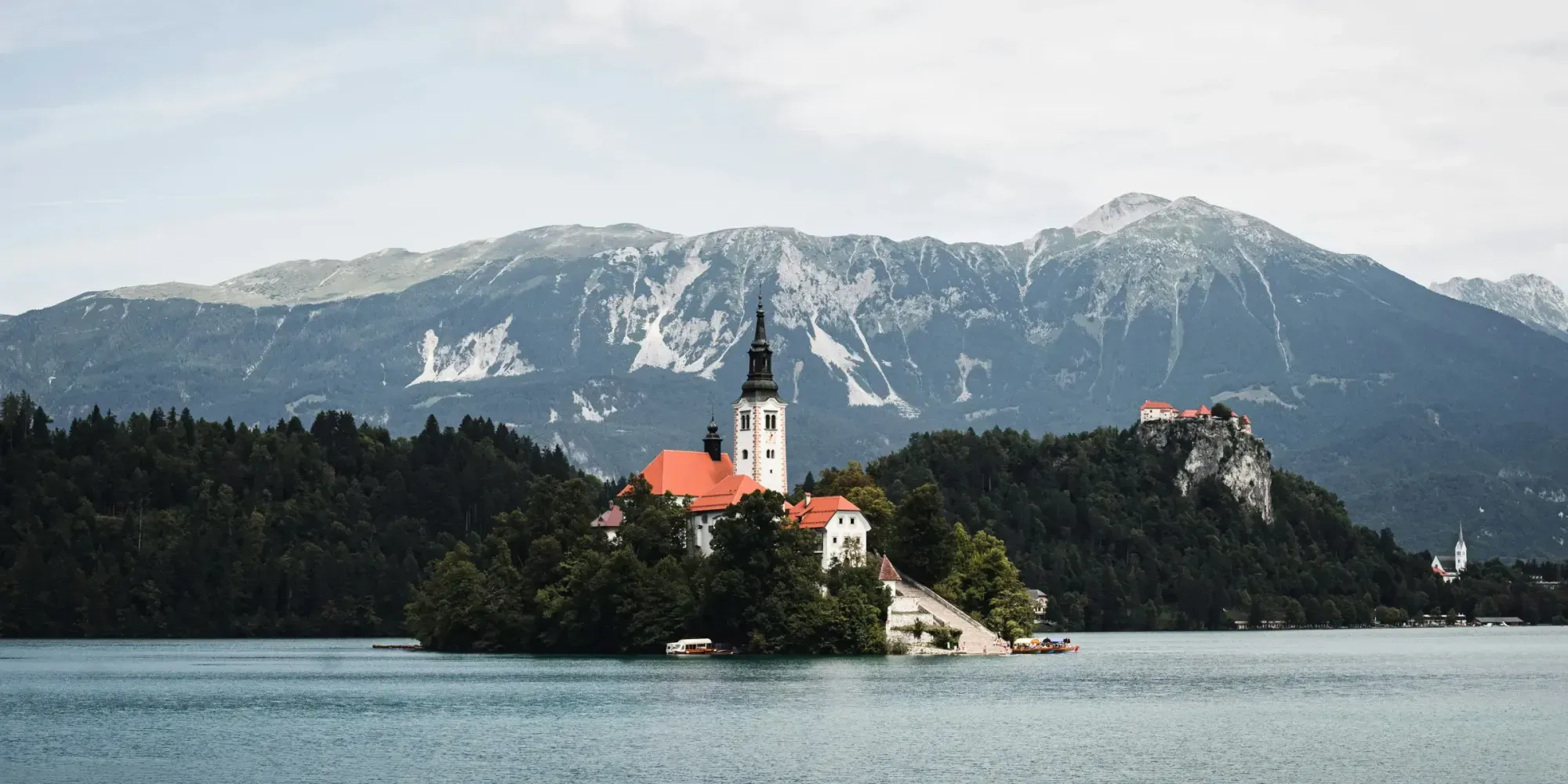
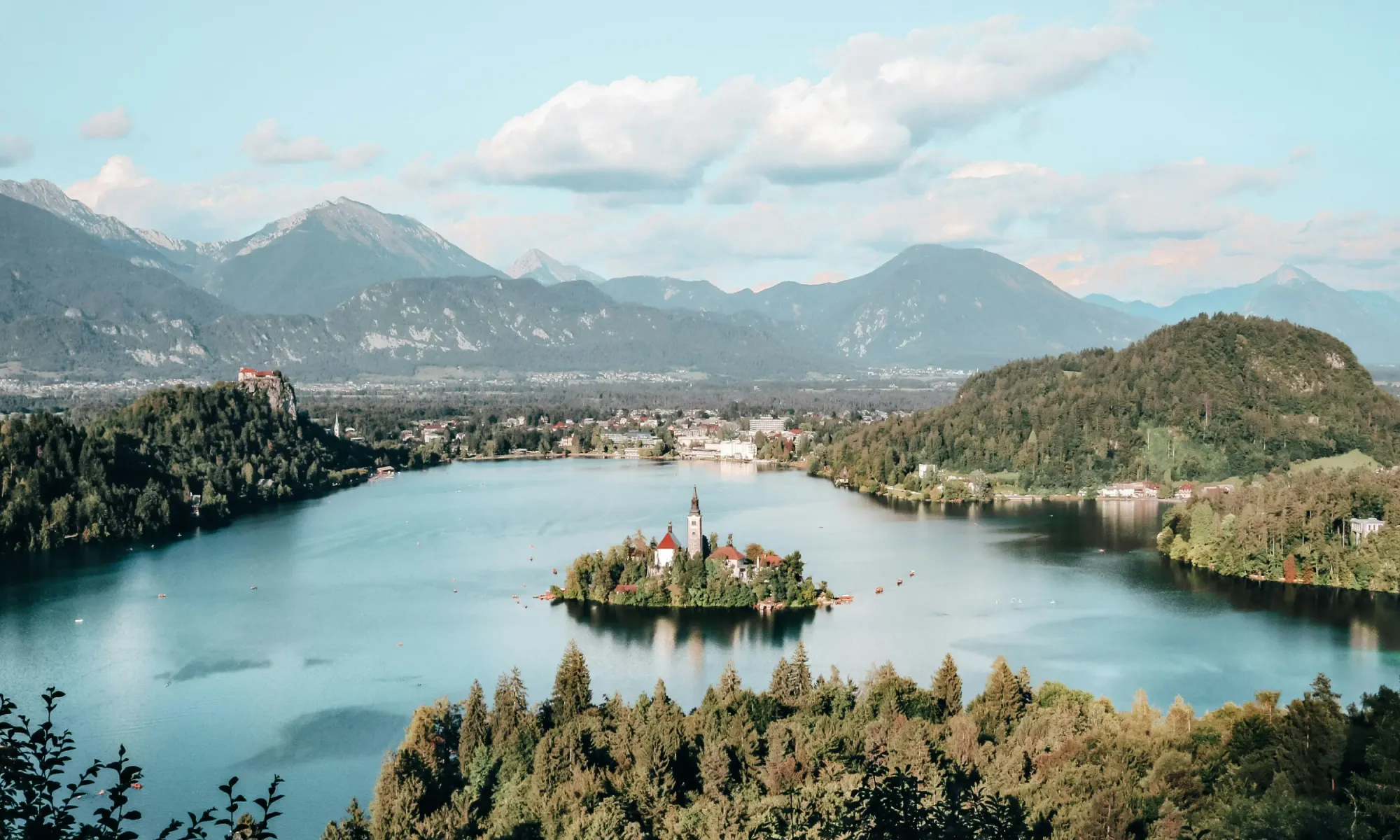
Slovenia is a small Alpine country of about 2.1 million people. It is known for snowy mountains, green forests and beautiful lakes (like Lake Bled). At the same time, Slovenia has become quite digital and crypto-friendly. In fact, Ljubljana – the capital city – has dozens of shops and sports venues accepting cryptocurrencies. People can pay with Bitcoin or other coins in cafes, stores and even sports events. This friendly attitude towards digital money is part of why Slovenia is trying new ideas like real estate tokenization.
Real estate tokenization is a mouthful, but the idea is simple. It means turning a property (like a house, apartment or piece of land) into digital pieces called tokens on a blockchain. Imagine a mountain chalet in the Alps. Instead of one person owning it, that chalet could be split into hundreds of tiny shares (tokens). Each token is like a digital certificate of ownership. People anywhere in the world could buy and sell these tokens on a blockchain marketplace, just like trading stocks. In other words, tokenization lets many small investors buy a piece of a property that would normally require a lot of money to own.
Slovenia’s interest in tokenization follows its larger digital trend. The country boasts strong internet, e-government services, and is even starting to use blockchain. For example, the Slovenian government issued NFTs (special digital tokens) as souvenirs for tourists at Expo Dubai 2020. This made Slovenia “the first country in the world to issue its NFTs to promote its economy and tourist destinations”. This shows Slovenes are open to blockchain technology and using tokens in new ways.
What Is Real Estate Tokenization?
Tokenization of real estate works like crowdfunding on the blockchain. A property is valued at some price (say €100,000) and divided into many tokens. Each token might represent €100 or €1 of that property. If you buy tokens worth €1000, you now own 1% of that building. All ownership rules and payments (like rent or sale proceeds) are managed by smart contracts – computer programs on the blockchain.
For example, a Slovenian startup Blocksquare has built software for this. Based in Ljubljana, Blocksquare offers tech tools to turn homes and offices into digital tokens. Rather than selling properties itself, Blocksquare helps other real-estate companies tokenize their assets. On a blockchain, each token is like a digital share: it is unique (thanks to the blockchain) and proves your stake in the property. If the property earns rent, the blockchain can automatically divide the rent among token holders.
Tokens give several advantages. They can make a big asset liquid – meaning you can sell a token at any time without selling the whole building. They also allow tiny investors from around the world to join in. Instead of needing €100,000 to buy a small house, someone could invest €100 by buying tokens. On the blockchain, all token transactions are public and automatic, giving transparency to owners.
Real Estate Tokenization in Slovenia
Slovenia is testing these ideas in practice. In 2018, Blocksquare ran a pilot project in Ljubljana: it tokenized a single parking space in a garage. 19 investors from around the world bought tokens that together represented 100% of that parking spot’s value. Each investor got a digital token on Ethereum (an early experiment). This proved the concept could work even on a tiny property.
Since then, bigger steps have happened. In 2023, Blocksquare managed to notarize Slovenia’s first tokenized real estate transaction. In other words, a real property in Slovenia was legally sold using tokens on a blockchain. This was a groundbreaking pilot: Slovenia’s land registry now accepted a blockchain token as proof of ownership. As a result, a new legally binding framework for tokenization was created by this deal.
An EU report notes that this first pilot “was successfully completed in Slovenia in 2023” using Blocksquare’s blockchain framework. That means Slovene partners, lawyers and banks worked together so that the token sale was as official as any normal sale. Each token was backed by a real mortgage and loan agreement, recorded with a notary. In fact, Blocksquare’s system integrates blockchain with notarized loan contracts and even registers mortgages on the property. This gives token buyers legal protection: the tokens “are backed by enforceable notarized loan agreements”. In short, the tokens aren’t just digital; they are tied to real contracts on the title of the property.
Blocksquare is now working on more deals. The same blockchain tools are being tested in other European countries. After Slovenia, Blocksquare aims to run pilots in places like Belgium and Austria. They plan to expand in Germany, Poland and France too. But Slovenia remains the testing ground where the first official token sale was made. Being local, the founder (Denis Petrovcic) knows the Slovenian market well: “Blocksquare – an award-winning Ljubljana-based team – is behind one of the world’s leading blockchain-based real estate tokenization systems”.
Rules and Steps
Turning real buildings into digital tokens requires legal steps. Slovenia, as an EU member, follows European crypto rules (like the Markets in Crypto-Assets Regulation, MiCAR). The government has passed laws to align with EU rules on crypto and fintech. For example, in 2024 and 2025 Slovenia adopted EU-wide crypto regulations into its own laws (about money transfers and anti-money laundering). This means Slovenian companies must verify customers and report suspicious crypto payments.
On top of EU laws, the Blocksquare model adds its own guarantees. As noted above, every token deal has notarized loan contracts and registered mortgages. One benefit of this is legal clarity: if a token holder doesn’t get paid, they can enforce the mortgage in court. The EU’s blockchain sandbox even praised this framework: “Tokens issued are backed by enforceable notarized loan agreements”. Because Slovenia has a strong tradition of public record-keeping (land registries), combining blockchain tokens with legal paperwork creates a solid system.
Slovenia also offers a friendly environment for fintech startups. The central bank (Banka Slovenije) runs a Fintech Contact Point to help innovators understand rules, and Slovenia participates in EU innovation sandboxes. (However, the bank clarifies that it does not offer its own blockchain sandbox – it provides guidance instead.) In short, Slovenia’s regulators are interested in blockchain ideas but cautious. Any new token project must also ensure money-laundering checks are done, which is already required by law.
Despite rules, Slovenians are generally positive about crypto. For years, surveys and media have pointed out that Ljubljana was among Europe’s most crypto-friendly cities. One report said Ljubljana had “the most crypto-friendly capital in Europe”, because it had dozens of shops and sports arenas taking digital currency. This local culture – people paying with coins in everyday life – means there is acceptance for more blockchain uses, including property tokens.
Beyond Homes: Art, Tourism, and More in Slovenia
Real estate is not the only place where Slovenia is testing tokens. The country also uses blockchain and NFTs in tourism and culture, which helps people get used to digital ownership before it reaches property on a bigger scale.
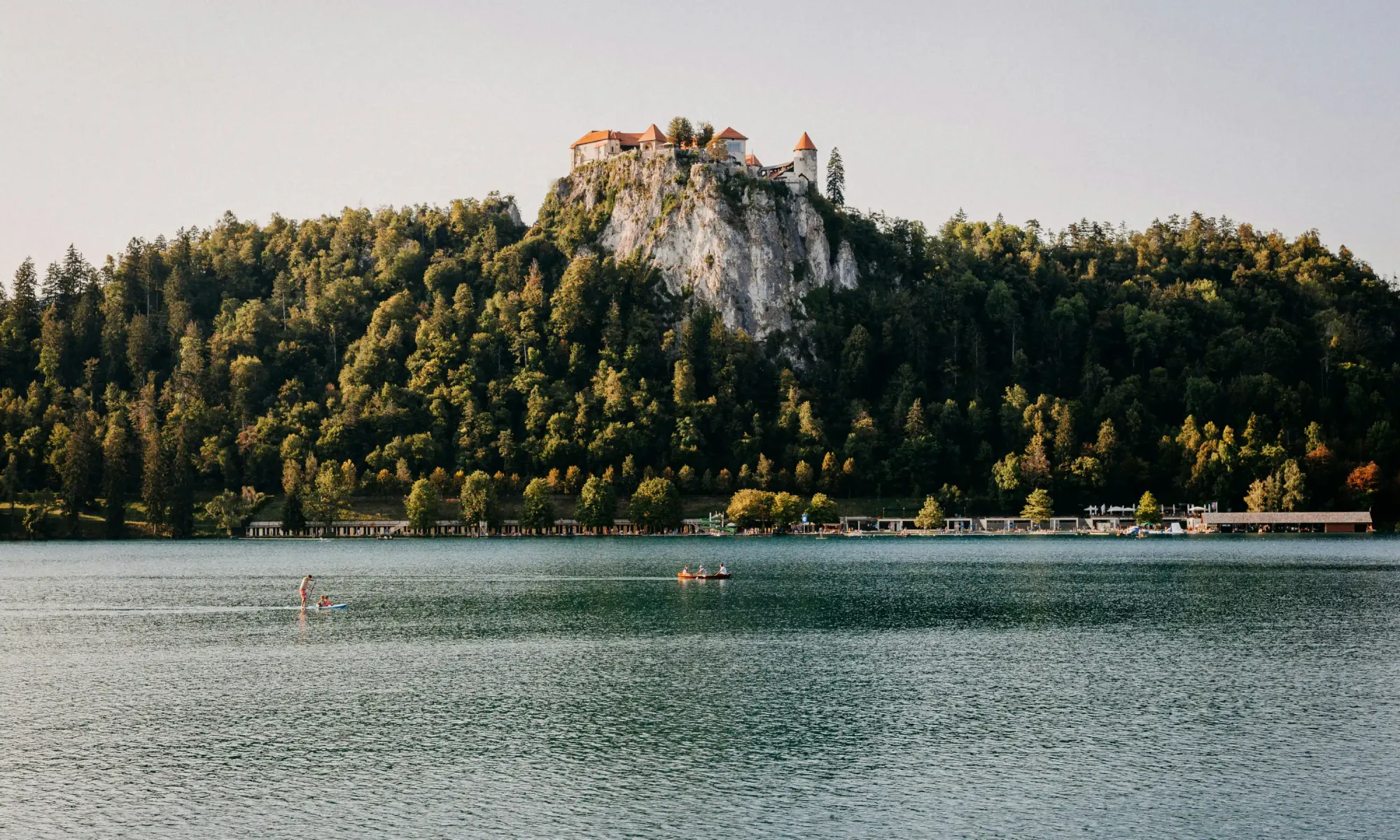
One well-known example is Slovenia’s NFT souvenirs for visitors. For Expo Dubai 2020, the Ministry of Economic Development, SPIRIT Slovenia and Technology Park Ljubljana created an NFT collection to promote Slovenian companies and tourist spots like Lake Bled, Postojna Cave and Lipica. These NFTs were given as free digital souvenirs on a Slovenian blockchain, so visitors could claim them with a special card and code. Officials said this project helped put Slovenia on the map as a country that understands blockchain and NFTs for the economy and tourism.
The Slovenian Tourist Board then went further. In 2022, it launched the “I feel NFT” project in Italy as a new way to promote Slovenian tourism. A special NFT card lets users claim a unique digital souvenir in their wallet and unlock access to selected experiences such as museums or attractions. The Tourist Board links this to its Strategy for the Digital Transformation of Slovenian Tourism 2022–2026, which includes the idea of a “Green Digital Token” to support smart, sustainable travel.
There is also an interesting experiment with tokens in managing tourist flows. Under the Tourism 4.0 initiative, a Slovenian tech company Arctur developed the Collaboration Impact Token (CIT). CIT is a blockchain-based voucher that changes value depending on time and place. Tourists can receive tokens for choosing less crowded places or for sustainable behaviour, and then use them for experiences with positive impact, such as visits to parks or cultural sites. The token runs on a private blockchain and cannot be traded, but it shows how token logic can help direct visitors from over-touristed spots to quieter regions.
Slovenian culture institutions are also exploring the NFT world. At the City Art Gallery Ljubljana, the project “FaceOrFactory: The Face of Corporate Building” examined NFT platforms as part of a research-based exhibition. The artists used the visual language of NFT marketplaces and online phrases to create a “game” that comments on how digital art, tokens and economic narratives mix today. It is not direct asset tokenization like real estate, but it shows that Slovenian artists and institutions are actively thinking about NFTs and their role in the modern economy and identity.
Together, these tourism, culture and innovation projects show that Slovenians are already using tokens in real life – as souvenirs, vouchers, and artistic experiments. This background makes it easier for local regulators, companies and citizens to understand what tokenization means when it moves from NFTs and travel products to real estate and other valuable assets in the coming years.
Looking Ahead
Real estate tokenization in Slovenia is still at an early stage, but the direction is clear. The first notarized pilot deal showed that it is possible to connect blockchain tokens with real property rights in the local legal system. Future projects will depend on how fast market players, notaries and regulators continue to test and refine this model, and on how EU rules like MiCA are applied in practice to security-like tokens.
For property owners and developers, this creates both opportunity and complexity. On one side, tokenization can open access to more investors and new financing structures. On the other side, it requires careful work with law firms, notaries, KYC/AML providers and blockchain developers to stay fully compliant with Slovenian and EU regulation.
Because of this, many projects will not try to build everything alone. Instead, they will look for specialized partners who already work with real estate tokenization and who can provide tested tools. Platforms like Tokenizer.Estate, for example, offer a white-label tokenization platform that can be branded and operated by local teams, while the technology layer is already prepared for real estate workflows and investor onboarding.
Tokenizer.Estate also cooperates with local legal and compliance partners in different jurisdictions, so a project in Slovenia can focus on the asset and the business model, while experienced specialists help with structuring, documentation and investor processes. This does not remove the need for local legal advice, but it makes it easier for a Slovenian owner or developer to move from idea to a live, compliant tokenized real estate project.
Share this post
Build your own tokenization business with Tokenizer.Estate
Tokenizer.Estate provides a full end-to-end solution — from legal setup to blockchain infrastructure — to help you launch your project with confidence
Book a Free Consultation