
Real Estate Tokenization in Argentina 2026
Argentina’s inflation shock, rising crypto usage, and new CNV rules have turned tokenized property from theory into a real market story. This guide explains how real estate tokenization works in Argentina, why demand is growing, and where legal and operational limits still matter

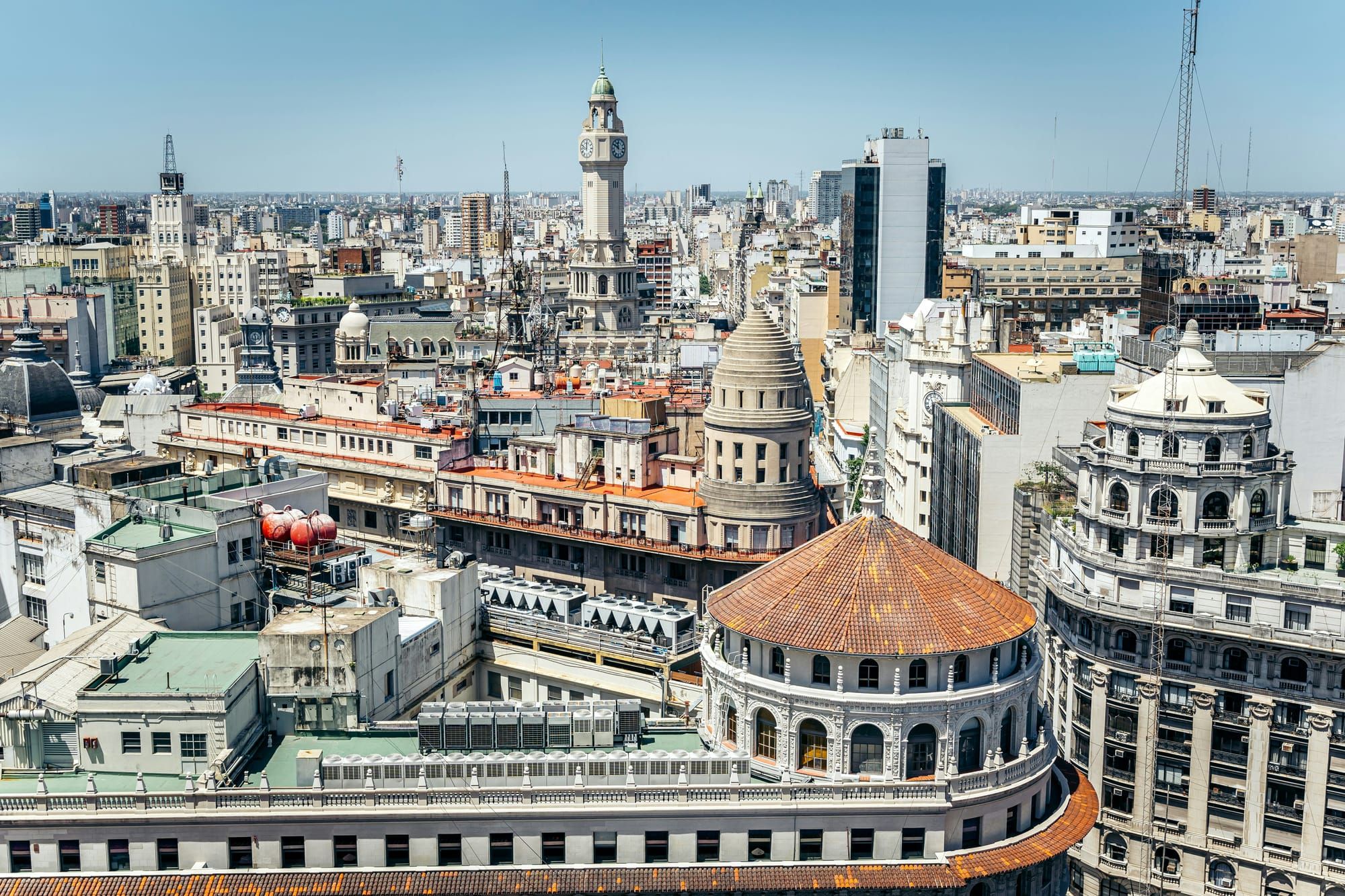
You can buy 5% of a Buenos Aires apartment today. Not the whole unit. A fraction, represented as a digital token on a blockchain. You don't need to be in Argentina, and you can sell your share next week. This is real estate tokenization, and Argentina has become a surprisingly active market for it.
What tokenization is
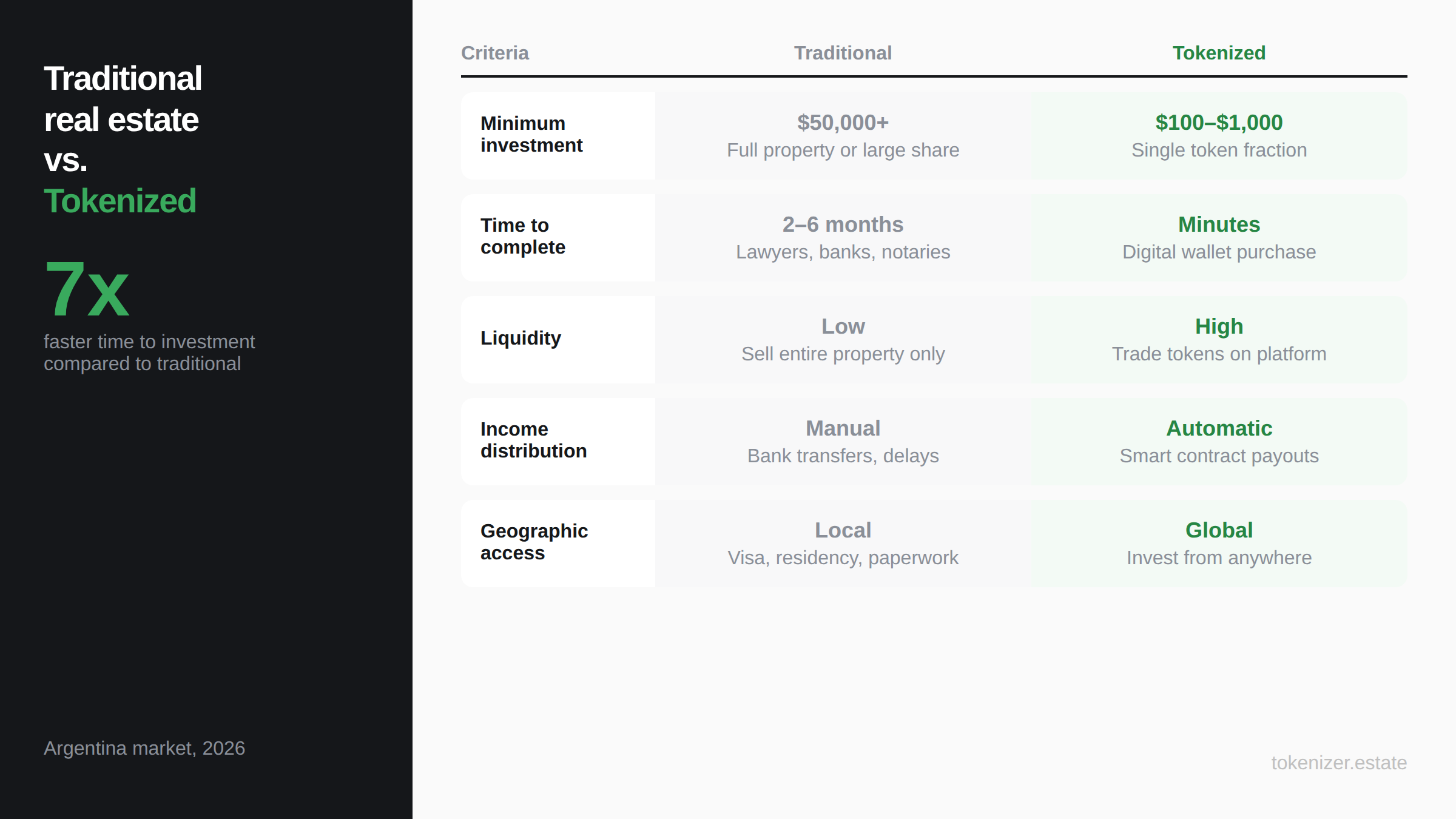
Tokenization means splitting ownership of a property into digital tokens on a blockchain. Each token represents a share. If someone creates 1,000 tokens for an apartment worth $500,000, each token is worth $500.
In traditional real estate, you deal with lawyers, banks, and notaries, and it takes months. You need significant capital upfront. Selling means finding a buyer for the entire property.
Tokenization cuts through most of that. You can buy fractions with less money, trade your shares on digital platforms, and skip a lot of the intermediaries. Income from rent or sales gets distributed automatically via smart contracts. It's not magic, and it's not risk-free, but it does remove some of the biggest friction points in real estate investment.
Why Argentina
Argentina has run inflation above 100% per year for extended periods. People don't trust the peso. They want to park their money somewhere, and real estate has always been the go-to, but buying a whole apartment requires capital most people don't have. This gap between desire and access is what makes tokenization compelling here rather than, say, in Switzerland, where the financial system already works well enough.
Tokenization lets Argentines invest in property with smaller amounts, often denominated in dollars or stablecoins. It also opens the door for foreign investors who want Argentine real estate without dealing with local bureaucracy.
Buenos Aires helps, too. The city has a growing pool of blockchain developers and fintech startups. The government hasn't banned crypto or tokenization, and some local jurisdictions actively encourage it.
The timeline: in 2024, Rosario launched a pilot program to tokenize municipal land records. In 2025, a private developer in Cordoba sold 30% of a residential complex as digital tokens. These were small deals, but they established the model. By 2026, tokenization is a functioning option in the Argentine property market, not yet mainstream but no longer experimental either.
What's being tokenized
Seven categories dominate. Some are predictable, others less so.
Residential apartments in Buenos Aires, Cordoba, and Rosario
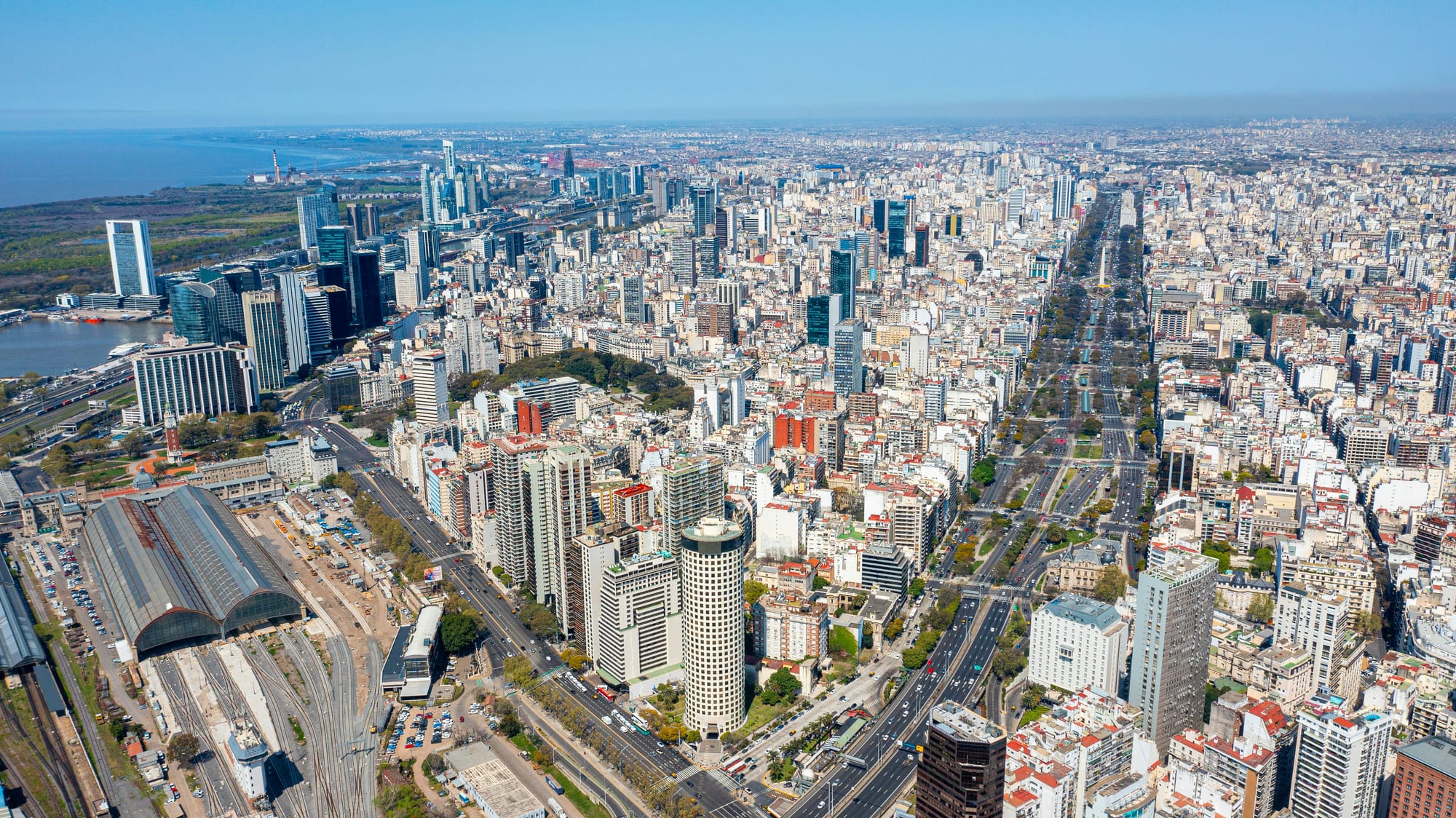
The most common type. Developers tokenize mid-to-high-end apartments in neighborhoods like Palermo, Recoleta, and Puerto Madero. Instead of selling the whole unit, they split it into 100 or 1,000 tokens priced at $500 to $1,000 each.
One example from early 2025: a 2-bedroom apartment in Palermo raised $200,000 in two weeks, split roughly evenly between local and foreign investors. The tokens now trade on a local exchange, with prices tracking construction progress.
Commercial buildings
Office buildings in downtown Buenos Aires generate rental income, which makes them natural candidates. Investors buy shares and receive rent payments automatically via smart contracts.
In late 2025, the owner of a 10-story office building in Microcentro kept 60% and sold 40% as tokens. Token holders receive quarterly dividends and can sell on a regulated platform. For someone who wants passive income from commercial real estate but can't buy a building, this is the closest existing option.
Vacation rentals
Argentina's tourist destinations are producing tokenized short-term rental projects. A developer in Bariloche tokenized a 12-unit mountain resort, splitting each unit into 50 tokens. Investors receive a share of Airbnb-style income, with returns that swing with seasonal tourism.
Similar projects are appearing in Iguazu, Mar del Plata, and Patagonia. The risk is obvious: tourism is volatile. But for investors comfortable with that, the entry price is low enough to make the bet manageable.

Agricultural land
Less intuitive, but it makes particular sense in Argentina, which is a major producer of soy, corn, and beef. Farming is capital-intensive, and tokenization lets farmers raise money without selling their land outright.
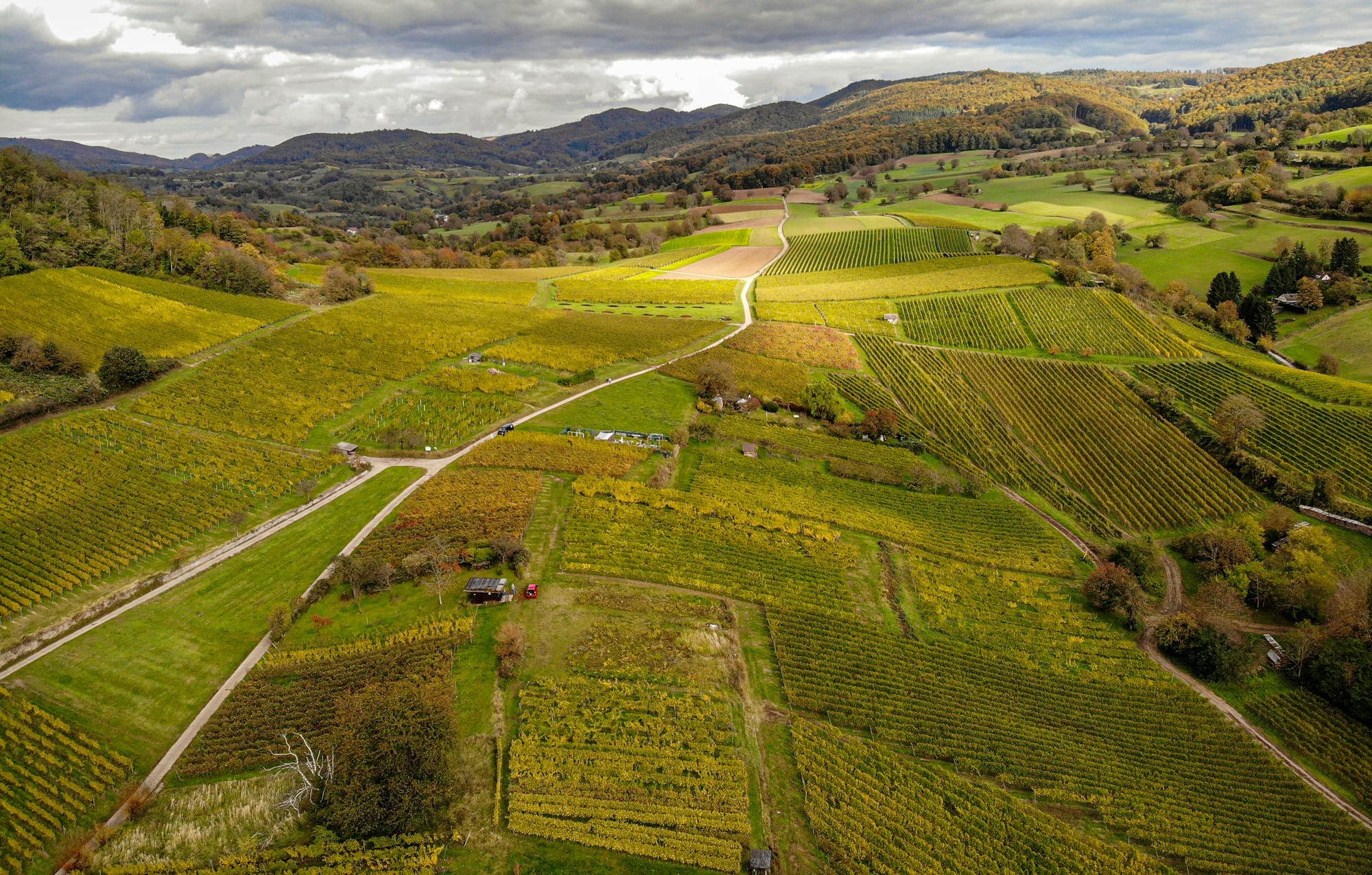
In 2025, a cooperative in Santa Fe tokenized 500 hectares of soy farmland, selling 30% as digital shares. Investors get a cut of harvest profits. The tokens are backed by land titles recorded on the blockchain. Still niche, but the agricultural angle is something you won't find in most other tokenization markets.
Distressed properties
Some of the more interesting projects involve properties that are difficult to sell conventionally: abandoned buildings, unfinished developments, or assets stuck in legal disputes.
A developer in Rosario tokenized a half-finished hotel that had been stalled for years. The token sale raised enough to complete construction. The hotel is now open, and token holders earn from room bookings. This "rescue tokenization" model is gaining traction in cities running urban renewal programs. It turns a liability into something that can attract capital again.
Industrial warehouses
E-commerce growth is driving demand for logistics space. Near Buenos Aires airport in Ezeiza, a logistics park was 25% tokenized in 2025. The $4 million project was divided into 40,000 tokens at $100 each. Major tenants like Mercado Libre and DHL signed 5-year leases. Token holders receive monthly rent dividends, and the tokens can also serve as collateral for business loans.
Industrial tokenization is less common than residential, but it has structural advantages: long-term leases, inflation-linked rent, and lower maintenance costs. The trade-off is less upside if the market booms.
Municipal and public assets
The most experimental category. Rosario's 2024 pilot tokenized 10 hectares of municipal land zoned for housing. Investors bought tokens representing development rights. A private consortium built affordable housing, and token holders will earn royalties from future land sales.
For municipalities, the appeal is raising money without debt. For citizens, it creates a direct financial stake in how their city develops. Cordoba and Mendoza are exploring similar programs for public buildings and parking infrastructure. Whether this scales depends heavily on how the first few projects perform.
How a typical deal works
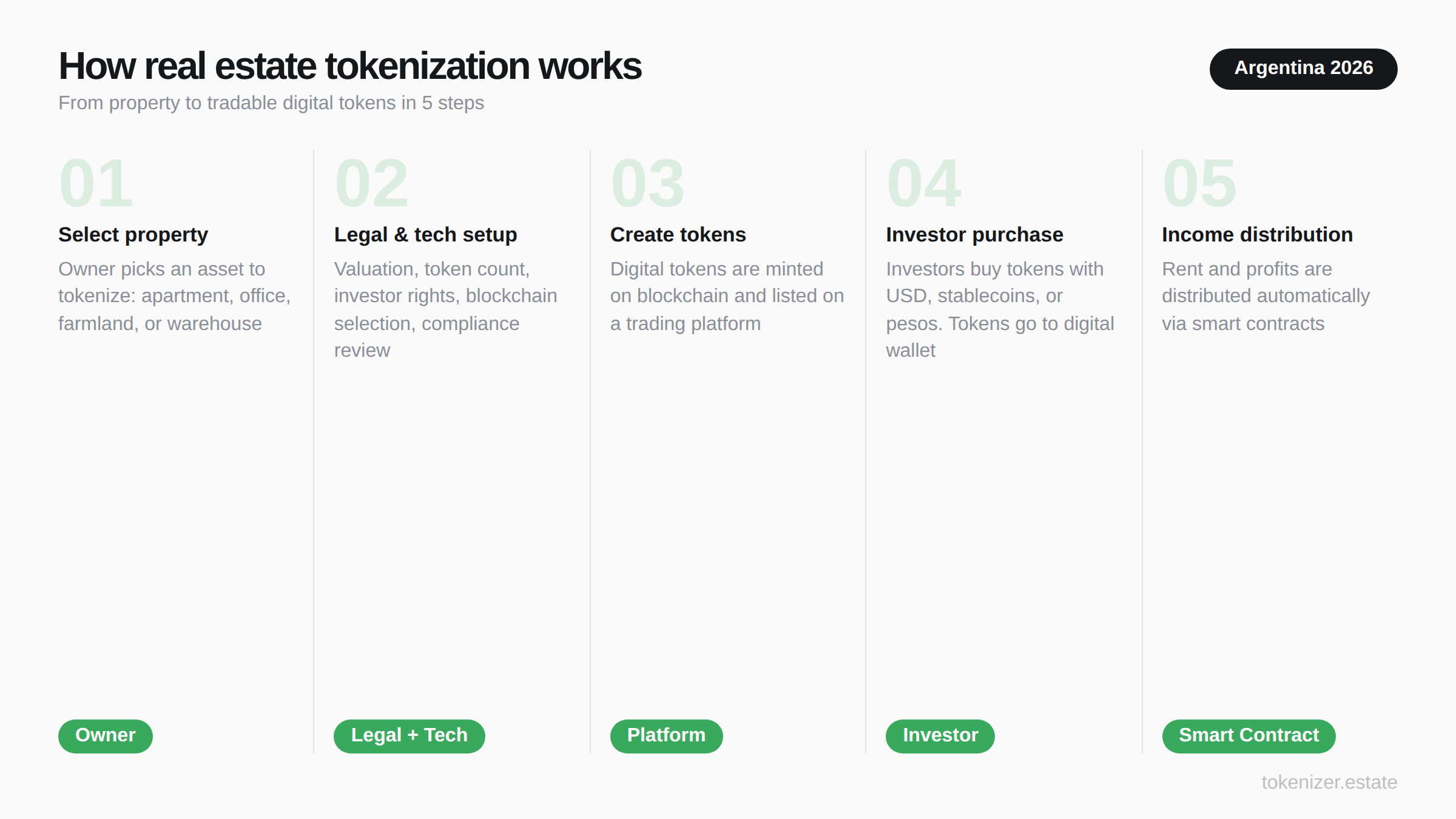
A property owner decides to tokenize. They work with a legal and technical team to value the property, set the number of tokens, define investor rights (ownership share, income distribution, voting), and choose a blockchain — most Argentine projects use Ethereum or a local network.
Tokens are created and listed on a platform. Investors buy with dollars, stablecoins, or pesos (converted automatically). Once purchased, tokens sit in the investor's digital wallet. They can hold, trade, or use them as loan collateral. Income gets distributed via smart contracts.
Everything is recorded on the blockchain, which means transactions are transparent and verifiable. The process looks clean on paper. In practice, the legal and regulatory questions are where things get complicated.
The problems
Argentina doesn't have a law that explicitly addresses tokenized real estate. That ambiguity creates real risk. Some banks won't accept tokenized assets as collateral. Notaries are still figuring out how to handle digital titles. And there have been scam projects — people promising returns with no actual property behind them.
In 2025, the Argentine Central Bank issued guidelines for digital assets, including tokenized securities. The guidelines aren't comprehensive, but they moved things in the right direction.
Most credible projects work with licensed lawyers and auditors and publish property reports and financials. In a market this small, reputation matters, and bad actors get identified quickly. But "most" is not "all," and due diligence still falls on the investor.
Technology adoption is the other constraint. Plenty of potential investors don't know how to use a digital wallet. Workshops and online tutorials are addressing this, but it's slow going, especially outside Buenos Aires.
Who's involved
Traditional real estate developers see tokenization as a faster way to raise capital and reach buyers who would never walk into a sales office. Fintech platforms like Tokenizer Estate provide the infrastructure: legal structuring, token creation, investor onboarding, and trading. Specialized law firms handle compliance. Municipalities like Rosario are testing public asset tokenization. And the investor base ranges from young professionals in Buenos Aires to Argentine expats abroad.
None of these groups are doing this out of idealism. Developers want cheaper capital. Platforms want transaction fees. Lawyers want a new practice area. That's fine — it means the incentives are aligned for the market to keep growing, at least while deal flow holds up.
Beyond real estate
The same model works for other capital-heavy assets. A yacht in Mar del Plata could be split into 100 tokens, with each owner getting usage days plus rental income. A factory in Cordoba could sell production shares to investors. These applications are already live in other countries, and Argentina is following.
What matters about tokenization isn't any individual deal. It's that it removes the all-or-nothing constraint from property investment. A teacher in Mendoza can put $500 into a vineyard. Whether that's a smart bet depends on the specific project, but the fact that she can make it at all is new.
What's coming
Argentina will likely introduce clearer regulation for digital assets in 2026, which should bring in institutional investors. Secondary markets are improving — trading tokenized real estate will gradually get closer to the experience of trading stocks. Banks may start accepting tokenized assets as collateral. Cross-border deals will grow, with Argentine developers already marketing tokens to investors in Spain, the U.S., and parts of Asia.
Beyond real estate, tokenization will expand to art, music rights, and renewable energy. How quickly depends on regulation and on whether the current projects deliver returns, because nothing kills a market faster than disappointed investors.
Argentina has the economic incentive, the technical talent, and the market need to lead this in Latin America. Whether it actually does will depend on whether the regulatory framework catches up with the activity already underway.
Closing
Real estate tokenization in Argentina addresses real structural problems: persistent inflation, illiquidity, and barriers to property investment that keep most people out. By 2026, it sits alongside traditional sales as a legitimate option — not dominant, but present and growing.
For developers, it's a capital-raising tool. For investors, it's a way to get exposure to Argentine real estate without buying a whole property. For the country, it's an experiment in making the financial system work for more people. The results so far are promising enough to keep watching closely.
If you're working with capital-intensive assets and want to understand how tokenization applies, the Tokenizer has step-by-step guides. For Argentine project updates, check the news portal.