
Tokenization Finance: How Stocks and Bonds Went Digital in 2025
Explore the latest breakthroughs in tokenization finance — from tokenized stocks and bonds to 24/7 blockchain markets. Learn how leading banks, apps, and investors are bringing traditional assets on-chain and why tokenization is reshaping global investing in 2025.

Buy Tesla stock using crypto? Easy. In 2025, such investments are not a fantasy, but commonplace. Tokenization has made it possible to own stocks, bonds, and even real estate through digital tokens on the blockchain. It’s fast, simple, and available 24/7.
Recently, on our blog, we explored the big trends shaping the future of tokenized assets. Today, we want to dive deeper into one of the most exciting areas — the rise of tokenized stocks and bonds. From trading Apple shares inside Telegram to big banks launching digital Treasury funds, tokenization in finance is truly going global.
What Is Tokenization and Why Now?
Tokenization is the process of converting ownership of an asset into a digital token on a blockchain. Instead of dealing with paper certificates or slow brokers, an investor gets a digital token that proves they own a piece of an asset. This token can be traded 24/7 with instant settlement, unlike traditional stocks or bonds that only trade during market hours and take days to settle. For example, if you tokenize a bond, you could sell it to someone on the other side of the world in seconds, without middlemen. If you tokenize a stock, even a small investor could buy a tiny fraction of a high-priced share (say $5 worth of a $500 stock) thanks to blockchain’s fractional ownership. These benefits – faster trading, around-the-clock markets, and lower entry barriers – explain why tokenization started booming in 2025.

Several trends converged to drive tokenization forward. First, major financial players embraced the technology. By 2025, many prominent institutions – from big banks like UBS and JPMorgan to investment firms like KKR and Franklin Templeton – had executed pilot projects with tokenized stocks or bonds. Their involvement gave tokenization a new credibility. Second, global regulators began clarifying rules for digital assets. In Europe, a new crypto-assets framework (MiCA) provided clearer guidelines for tokenized securities, attracting projects to the region. This regulatory support signaled that tokenization isn’t just a wild experiment, but something that can fit into existing financial laws. And third, the technology matured: blockchain platforms improved, and security measures got stronger, making large-scale tokenization more feasible. Thanks to these factors, the total value of real-world assets on blockchain skyrocketed – by late 2025 it exceeded $33 billion on-chain. Tokenization was no longer niche; it was steadily moving into the mainstream of finance.
Tokenized Stocks in 2025
One of the most exciting developments of 2025 was the rise of tokenized stocks. A tokenized stock is essentially a digital token that mirrors the price of a real company share. It gives investors a new way to trade popular stocks on a blockchain. In 2025, fintech and crypto companies raced to launch tokenized equity products, bringing stock trading into the crypto world. For instance, Robinhood made headlines by offering tokenized U.S. stocks to European customers through a partnership with the Bitpanda exchange. This allowed people in Europe to trade U.S. equities like Apple or Tesla as tokens, 24 hours a day, 7 days a week, even when U.S. markets were closed. They could also buy very small fractions of shares, lowering the cost of entry for small investors. What used to be possible only during New York trading hours on traditional platforms became a round-the-clock opportunity on a blockchain.
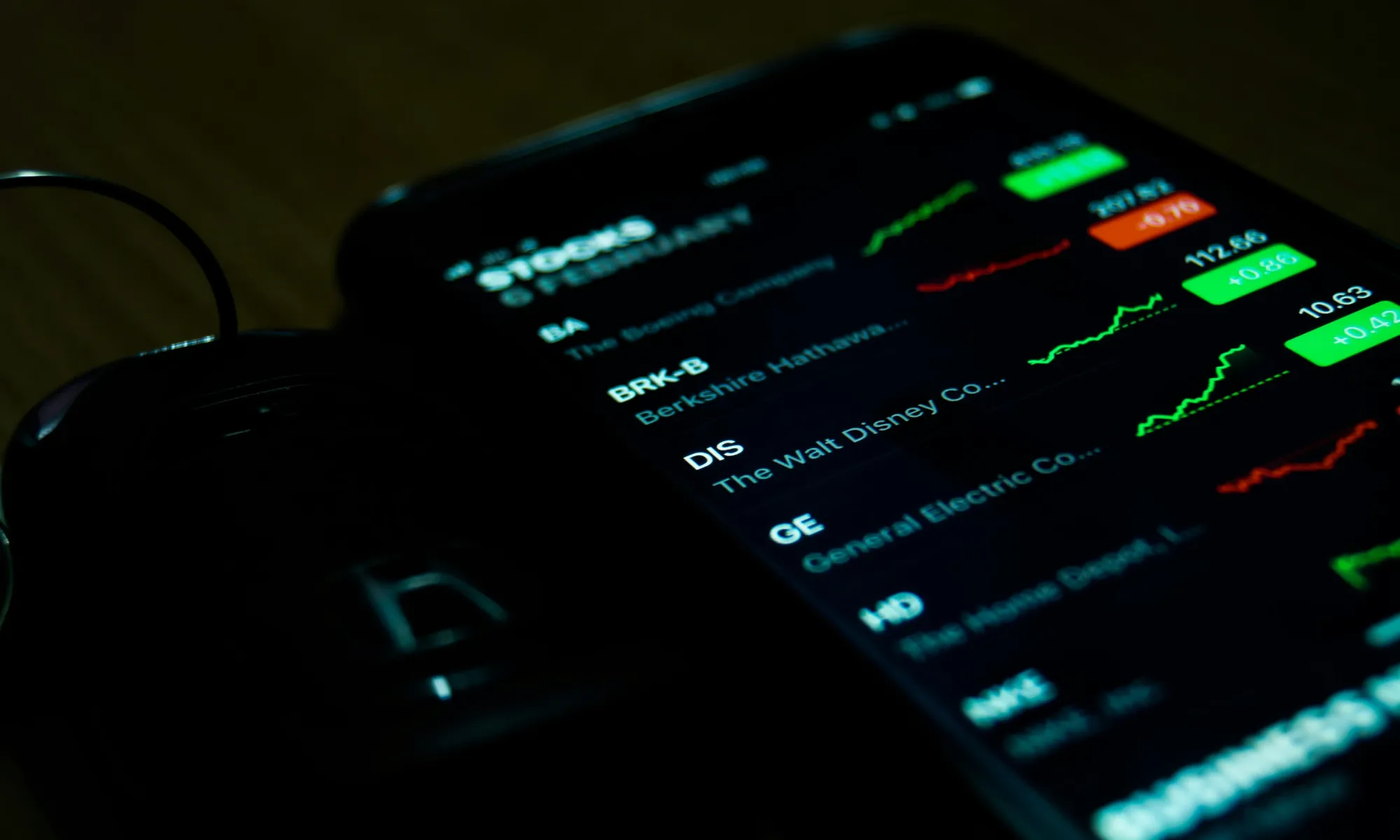
Even social media platforms joined the tokenization trend. Just recently, Telegram – a popular messaging app – transformed its built-in wallet into a mini stock exchange. Thanks to a partnership with Kraken’s asset platform, Telegram’s app started to offer tokenized U.S. equities and ETFs to millions of users. Over 60 tokenized stocks and funds became available, including big names like Apple, Tesla, and even an S&P 500 index fund. Users could trade these tokens directly inside the chat app. This launch was one of the largest consumer-facing rollouts of tokenized stocks to date. It meant that an everyday person could open Telegram and buy or sell a piece of Amazon or Netflix stock via token, without a traditional brokerage account. The trading was available 24/5 (24 hours, Monday through Friday) and supported fractional purchases as low as $1. This level of accessibility was unheard of in traditional stock markets. By integrating token trading into a messaging app, the barrier between social networks and investing blurred, pointing to a future where investing is as easy as texting.
However, as tokenized stocks gained popularity, they also drew scrutiny from regulators and market experts. A Reuters analysis warned that some tokenized stock offerings look more like derivatives than real stocks. Why? In many cases, when you buy a token that tracks a stock, you don’t get shareholder rights – no voting power in the company and no direct claim on dividends. The token is simply pegged to the stock’s price. Essentially, you’re trading a synthetic product. This raised concerns that uninformed investors might not realize the difference. Market watchdogs urged clearer rules to ensure buyers know what they’re getting. In Europe, many tokenized stock products have been treated under existing financial laws (for example, as derivatives under MiFID rules), which means they at least fall under some regulatory oversight. In the United States, the SEC and other regulators in 2025 were still debating how to classify and govern these tokens. Crypto industry groups and even traditional exchanges called for explicit guidelines to avoid confusion and protect investors. Just because a token represents a stock’s price doesn’t change the need for investor protection, as one capital markets expert noted. By the end of the year, authorities worldwide were drafting rules so that as more stocks “go digital,” they do so in a safe and transparent way. The takeaway is that tokenized stocks opened exciting new possibilities, but they also forced the financial world to rethink regulations for this new breed of asset.
Bonds on the Blockchain: Wall Street Embraces Tokenization
Stocks weren’t the only assets getting tokenized in 2025. The year also saw government bonds and other debt instruments enter the blockchain era. Tokenized bonds work much like tokenized stocks – a digital token represents a traditional bond, such as a U.S. Treasury or a corporate bond, and trades on a blockchain. Investors showed a growing appetite for these products because they combine the stability of bonds with the efficiency of crypto. Instead of waiting two days for a bond trade to settle, a tokenized bond trade settles almost instantly. Rather than buying a minimum $1,000 Treasury bond, an investor could buy $100 or $10 worth of it in token form. These advantages started to attract serious attention from big financial players.
In fact, 2025 might be remembered as the year Wall Street really got into tokenized bonds and real-world assets. Several high-profile examples signal this shift. BlackRock – the world’s largest asset manager – launched a tokenized U.S. Treasury fund on the public Ethereum blockchain, allowing digital shares of a money market fund that holds government bonds. This was a bold endorsement from a top industry player, indicating that tokenization can fit within traditional investment products. Not far behind, Goldman Sachs and HSBC piloted tokenized bond offerings to test issuing bonds as digital tokens under controlled conditions. These pilots showed that even conservative banking giants are exploring blockchain to streamline bond issuance and trading.
Other institutions followed suit. Fidelity Investments quietly rolled out a $200 million tokenized money market fund for Treasuries, issuing a digital token (FDIT) that represents shares in a Treasury fund. This token runs on Ethereum and essentially tokenizes a fund that invests in short-term U.S. government bonds. The move put Fidelity in direct competition with other on-chain Treasury products and signaled that traditional firms don’t want to be left behind. The tokenized fund was not a theoretical project – it already amassed hundreds of millions in assets, showing real demand. Cynthia Lo Bessette, head of Fidelity’s digital asset unit, explained that tokenization can make markets more efficient and improve how collateral is managed, underscoring the practical benefits that big institutions see in this technology.
Crucially, the market for tokenized U.S. Treasuries and similar assets surged in 2025. Early in the year, the total assets in on-chain tokenized Treasuries crossed $5 billion, and it kept climbing. BlackRock’s above-mentioned fund (code-named “BUIDL”) helped set the pace, attracting significant institutional interest. By testing faster settlement and 24/7 liquidity for bond funds, these projects demonstrated real value. It wasn’t just private companies either – governments and international organizations dipped their toes into tokenization. The World Bank and European Investment Bank, for example, had already experimented with issuing bonds on blockchain in prior years. In 2025, Singapore’s central bank (MAS) expanded Project Guardian, a regulatory sandbox where banks like JPMorgan and DBS trialed tokenizing bonds and deposits in a controlled environment. These controlled experiments across the globe suggested that tokenized bonds can work within regulatory frameworks, not outside them. The lessons learned in these pilots are now guiding broader adoption. By the end of 2025, the tokenization of bonds had moved well beyond theory – it was delivering results in the form of faster trades, lower costs, and new investment opportunities.
Benefits and Challenges: A New Financial Frontier
Why are so many players excited about tokenizing stocks and bonds? The benefits are easy to appreciate. Tokenization brings the speed and openness of crypto markets to traditional finance. Markets that normally shut at 4 PM can now run all night. A bond or stock trade that used to involve faxing forms can now settle in seconds on a blockchain. This means investors large and small enjoy more liquidity – they can enter or exit positions whenever they want. Fractional ownership also means investing becomes more inclusive, as people can buy very small portions of assets like expensive stocks or big bonds. Blockchain’s transparency offers an added layer of trust: every token transaction is recorded on a public ledger, creating an auditable trail for ownership. And because tokens can be programmed with smart contracts, processes like dividend payments or coupon distributions can be automated and streamlined.
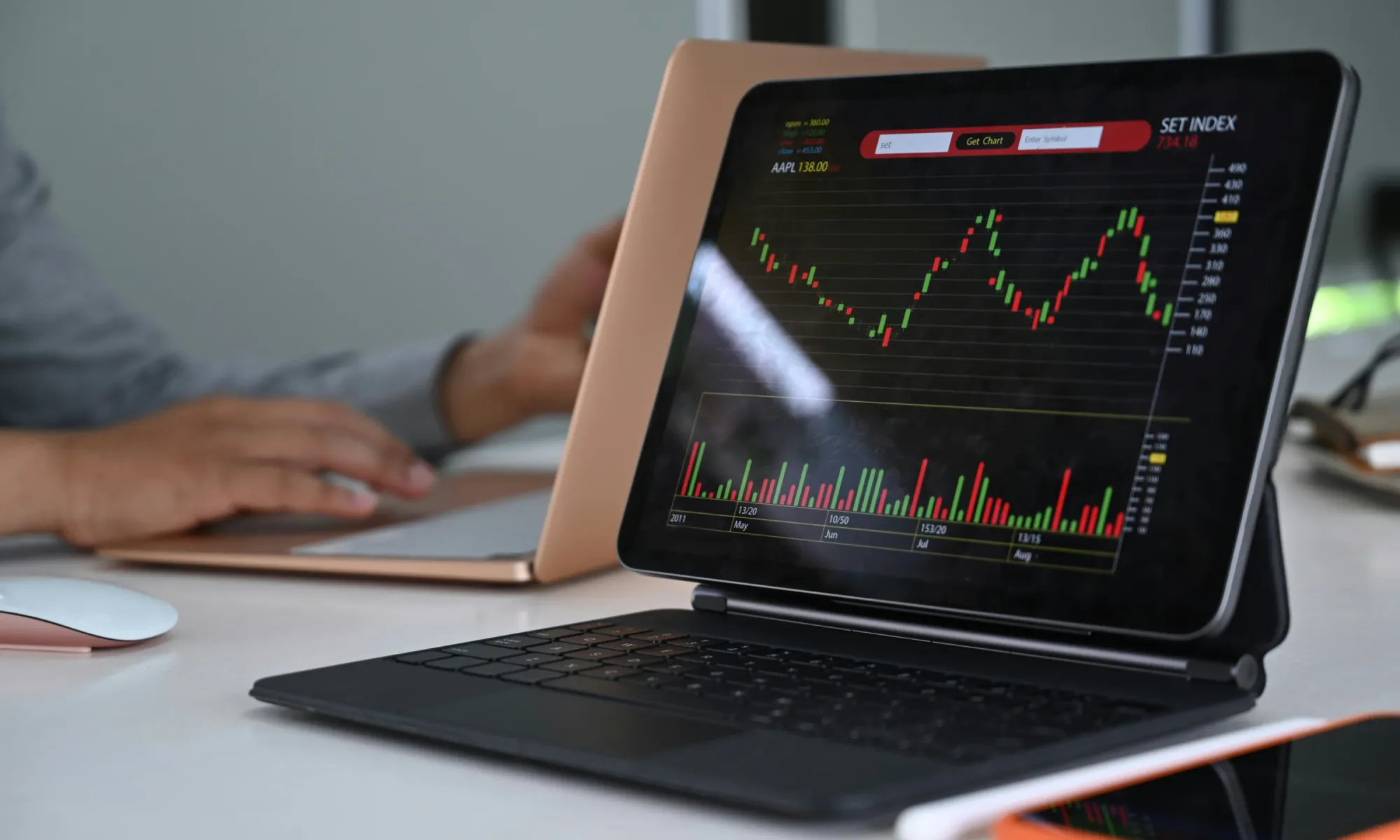
From the issuers’ perspective (companies or governments raising funds), tokenization can open access to a global investor base and potentially reduce costs. A company in a smaller market can attract investors worldwide by issuing tokens that comply with global standards. There’s also the promise of instant settlement and lower intermediary fees, which could make raising capital cheaper and easier. These advantages explain the optimistic projections: Analysts estimate that tokenization could bring a staggering $16 trillion worth of assets on-chain by 2030 if current trends continue. In other words, we are potentially at the start of one of the biggest shifts in how assets are issued and traded, comparable to the rise of electronic trading in the past.
That said, challenges and risks remain in this new financial frontier. Regulatory uncertainty is the biggest hurdle. As discussed, when you buy a tokenized stock, it might not be the same as buying the actual stock – and laws in many countries have not fully caught up to this nuance. Investors need protection from misleading offerings, and issuers need clarity on what is allowed. In 2025, regulators were actively working on these issues. The U.S. Congress saw new bills introduced to clarify digital asset rules, and agencies debated how existing securities laws apply to tokens. Europe moved a bit faster in providing a framework, but enforcement and supervision are still evolving.
Another challenge is technical: blockchain systems need to prove they can handle large trading volumes without hiccups, and that they are secure from hacks. High-profile cyber breaches or smart contract bugs could undermine trust in tokenized assets. Market liquidity is also a concern – just because an asset is tokenized doesn’t automatically mean there’s a deep market for it. Early tokenized stocks and bonds sometimes saw fragmented trading across different platforms, which can hurt liquidity. Industry groups are now pushing for common standards and even consortiums (for example, in real estate tokenization) to create unified marketplaces.
Despite these challenges, the trajectory of 2025 was clearly pointing upward. Financial authorities began crafting guidelines so that innovation can continue with proper safeguards. The involvement of respected institutions suggests that issues like compliance and security are being taken seriously. Each successful pilot – whether it’s a big bank’s tokenized bond or a tech company’s tokenized stock service – builds confidence that tokenization can be done right.
Conclusion: Finance Enters a Tokenized Era
By the end of 2025, tokenization in finance was no longer just a bold idea talked about at crypto conferences – it was something people were using in real life. Stocks and bonds were joining the blockchain revolution, and this trend was making finance feel more accessible and exciting than it had in years. An investor in Brazil could invest in a small piece of a New York-listed stock through a token. A startup in Singapore could raise funds from global backers by issuing tokenized shares. A pension fund could rebalance its holdings on a Friday night because tokenized Treasury bonds trade round the clock. Such scenarios show how tokenization is breaking down barriers in markets.
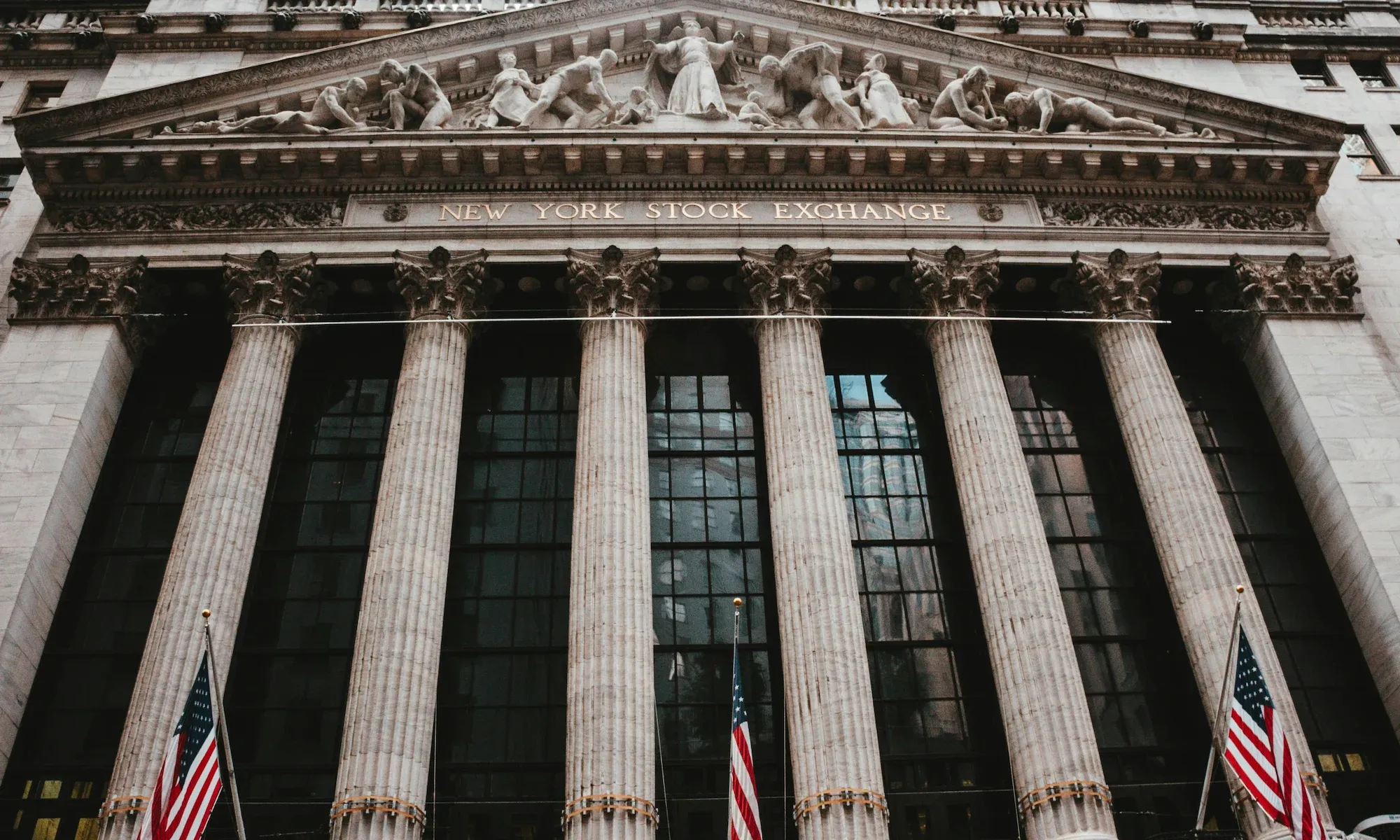
The developments of 2025 also set the stage for the years ahead. As technical and legal frameworks improve, we can expect even more assets to be tokenized – from real estate and commodities to fine art and beyond. The financial industry, often cautious and slow to change, is embracing this innovation because the benefits are becoming too clear to ignore. Still, the story is just beginning. Stakeholders will need to work together to ensure transparency, security, and fairness in this tokenized future. If 2025 was any indication, the momentum is strong: tokenization is turning finance into a truly global, 24/7 marketplace where “markets never sleep” and more people can participate than ever before. We are witnessing the start of a new era in finance – one where digital tokens may eventually be as common as paper money, and where the walls around financial markets come down, one token at a time.
In summary, tokenization finance in 2025 took significant leaps forward. It made investing more flexible and opened the door for innovation in a historically traditional industry. From Telegram’s tokenized stock trading launch to BlackRock’s blockchain-based bond funds, the year was full of milestones. While challenges around regulation and trust persist, the overall direction is clear. Tokenization is here to stay, and it’s reshaping finance into a more digital, democratized space. The excitement of 2025 is likely just a preview of what’s to come as we head toward an even more tokenized future.