Farmland tokenization: how issuers bring agricultural land on-chain
Farmland earns two ways at once, lease income and land appreciation, and it's the one asset class where who's even allowed to hold the token depends on where the land sits. Here's how issuers structure it, and the foreign-ownership and water-rights risks that don't show up elsewhere.

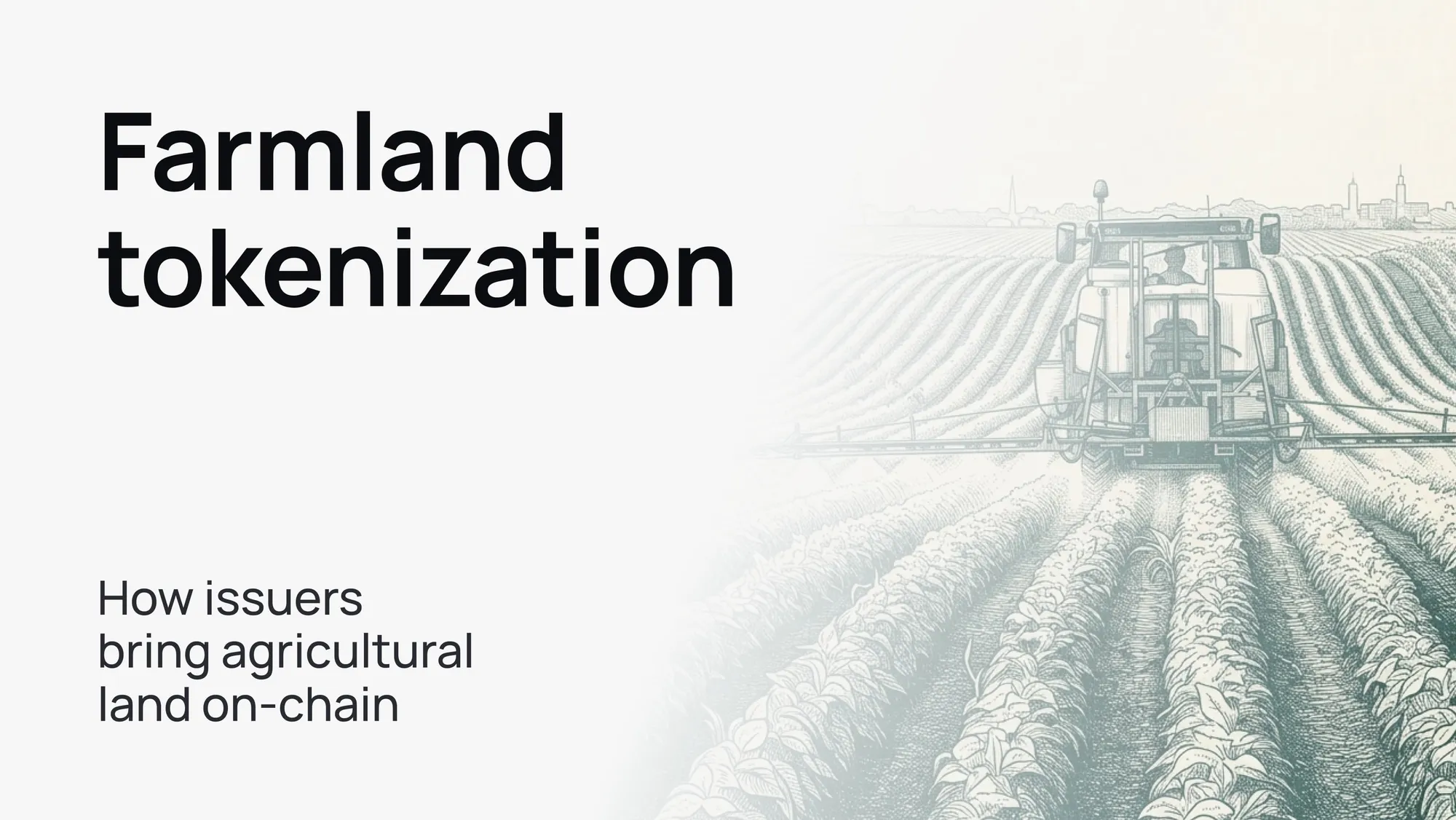
Farmland is the quiet asset. It doesn't make headlines like offices or data centers, it just sits there growing food and, over the long run, growing in value. Investors have liked it for a boring reason: it holds up when other things don't. It tends to hold its value through inflation, it doesn't move in step with stocks, and demand for what it produces isn't going away.
That combination makes farmland an interesting candidate for tokenization, but it also makes it a different animal from most property. Two things set it apart: the land itself doesn't wear out, and it can earn in two separate ways at the same time. Understanding those two income streams is the key to understanding how it gets tokenized. This is a look at that from the issuer's side, the landowner or fund that wants to raise capital against agricultural land: how the structure works, why the land's dual nature shapes the token, and where the real risks sit.
Why Farmland Is Different From a Building
Most real estate earns one way: rent. Farmland earns two, and they're worth separating because a token can be built on either or both.
The first is lease income. A landowner doesn't have to farm the land to earn from it. They lease it to a working farmer, who pays to use it and takes on the actual business of planting and harvesting. It's the closest farmland gets to a normal rental, but its size is easy to overstate: relative to what farmland costs to buy, the annual cash rent is thin. Farmland is better understood as a bet on the land's value with a modest income on top, not as a high-income asset. The second stream is where the real return usually lives: appreciation. Farmland tends to gain value over time as good land grows scarcer and food demand rises. That gain isn't paid out year to year; it's realized when the land is sold or, in a tokenized deal, potentially when a holder sells their token.
One caution on that word "steady." Lease income is only fixed under a cash rent, where the farmer pays a set amount regardless of the season. Other common arrangements, crop-share and flexible leases, tie the rent to the harvest and the crop price, which means the landowner shares the farmer's good and bad years. Whether a tokenized deal sits on cash rent or a share arrangement changes how steady the income behind the token really is, and it's one of the first things to pin down.
The land also doesn't depreciate, and that sets it apart from almost every built asset. A building ages, needs capital reinvestment, and eventually becomes obsolete. Well-managed farmland can stay productive indefinitely. For a token, that changes the risk shape: there's no looming obsolescence eating the asset's value from underneath, which is one reason farmland is often framed as a long-hold, patient investment rather than a quick return.
The long record of rising land values is real, but it isn't a straight line, and the exception is worth naming before anyone leans on the trend. In the early 1980s, farmland went through a genuine crash: land prices had run up sharply through the 1970s, then commodity prices fell and interest rates spiked at the same time, values collapsed, and a wave of farm and agricultural-bank failures followed. In real terms it took a long time to climb back. The lesson for a token is the same as it is for the asset: farmland holds up against inflation and against ordinary market cycles, but a simultaneous hit to crop prices and interest rates is exactly the combination that has broken it before, and a token backed by land values isn't immune to it.
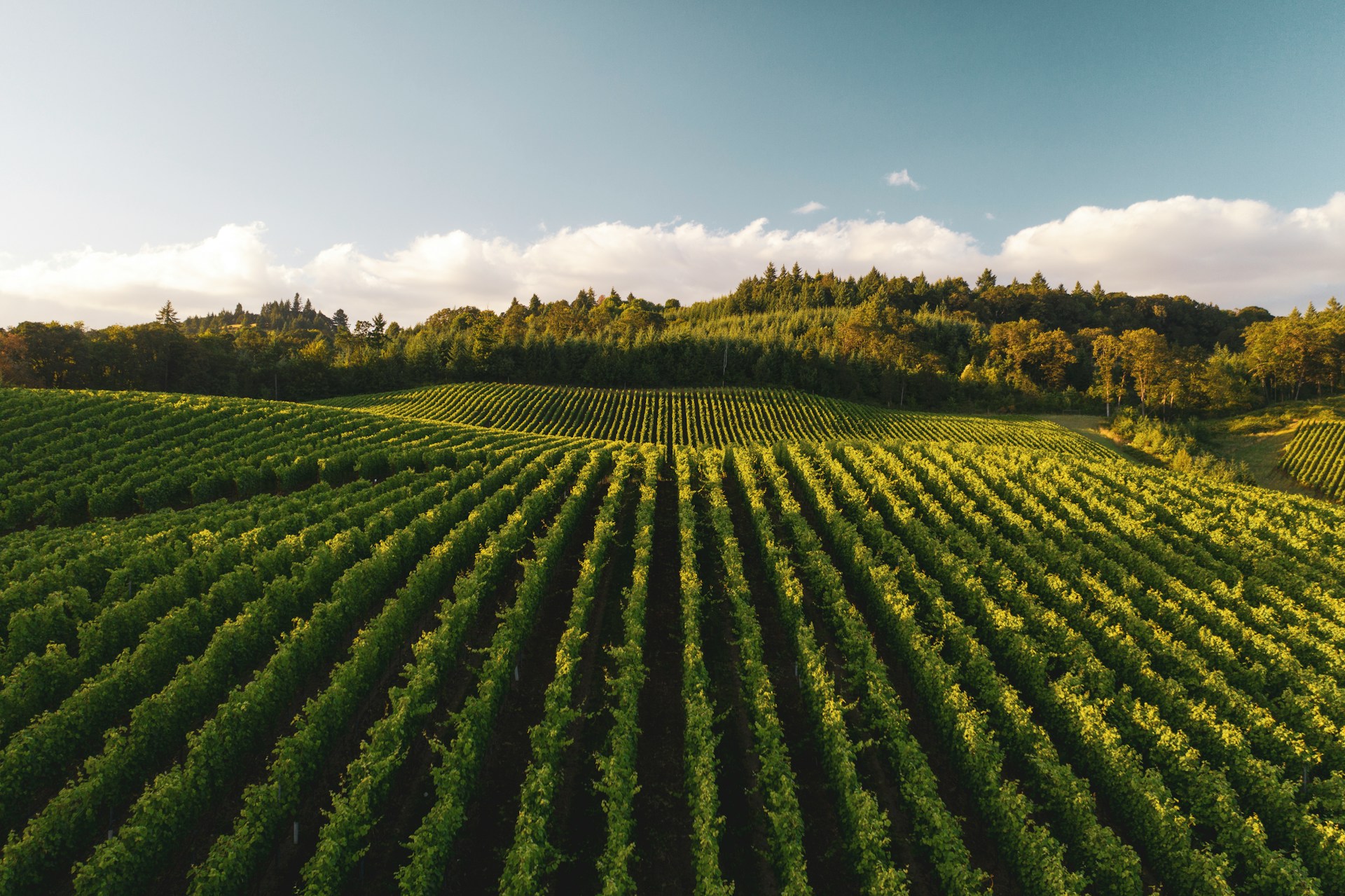
One simplification to correct, too: farmland isn't a single asset type. Row-crop land, growing corn, wheat, soybeans, is the case where "the land doesn't wear out" holds cleanly. Permanent crops are different. Orchards, vineyards, nut trees, and the like take years from planting before they produce a commercial harvest, earning little or nothing in between, then yield for decades, then age out and need pulling and replanting. That's a biological asset with its own lifecycle sitting on top of the non-depreciating land, and it's the farmland version of the difference between a stabilized building and a development: tokenizing a mature orchard and tokenizing a newly planted one are two very different instruments, and the second carries years of establishment risk that has to be priced as its own thing.
But the thing that makes farmland earn is also what makes it risky, and it's specific in a way buildings aren't. The income depends on the land actually producing, which depends on the weather, the water, the soil, and the price of whatever's grown on it. A building's rent doesn't care if it rains. Farmland's income does.
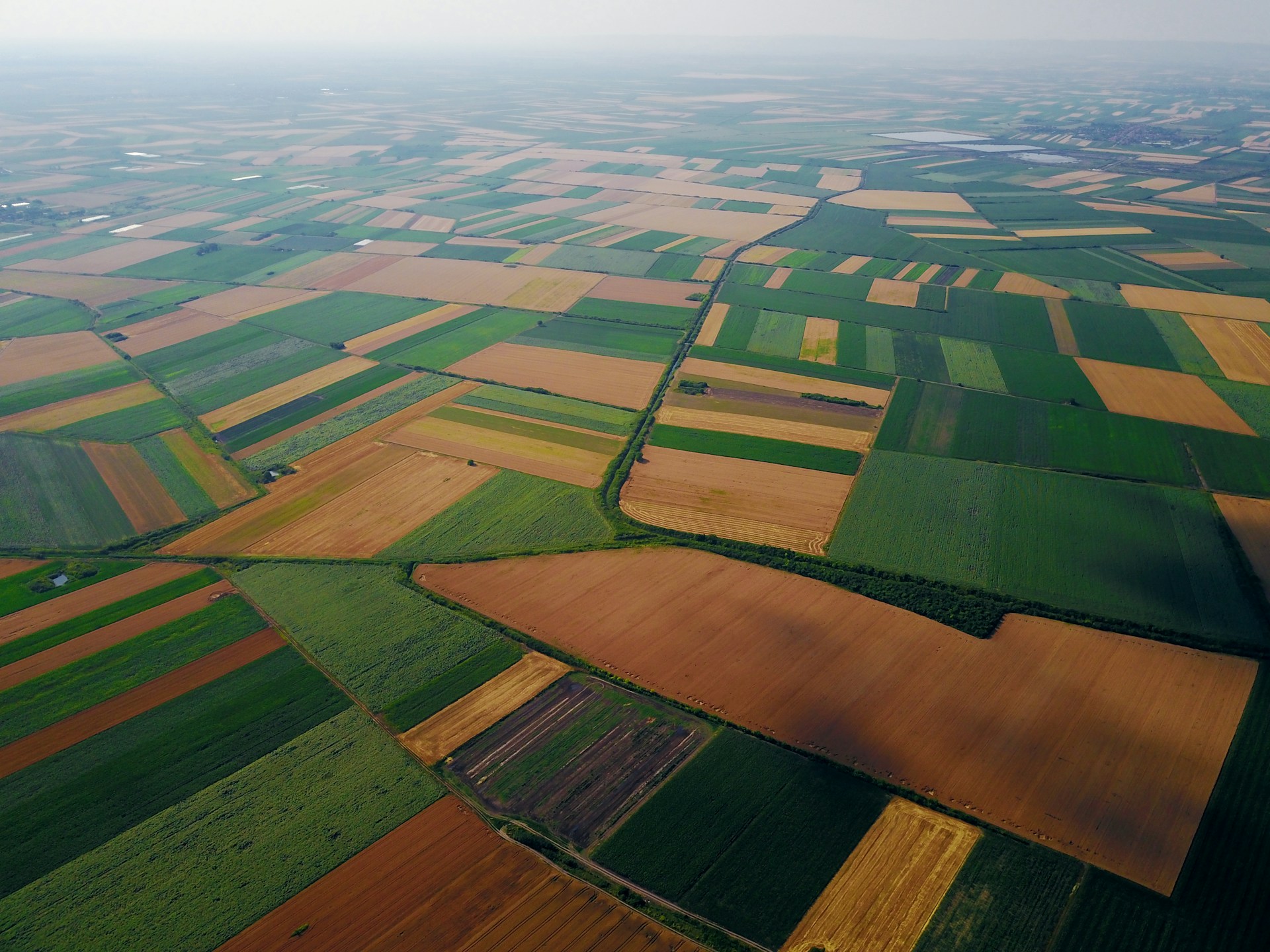
How an Issuer Tokenizes Farmland
The backbone is familiar. The land goes into a special-purpose vehicle that holds the deed, and tokens represent a claim on that entity rather than the dirt directly. What differs is which of farmland's two income streams the token is built on, and that decision drives everything else.
An equity token gives holders a share of the land: the lease income while it's held, plus a share of the appreciation when it's sold. This is the structure that captures farmland's dual nature, income now and a stake in the land's long-term value. A debt token is different, and in agriculture it usually points at the farmer, not the land. It lends capital to the operation, for seed, equipment, or a season's costs, and pays a yield funded by the harvest. That's a loan against a crop, and it carries the crop's risk: a bad season can hit repayment in a way that a land lease doesn't.
Either way, the token is permissioned, the standard used for regulated securities, so transfer rules live in the contract and a token can't reach a wallet that hasn't cleared KYC.
Distributions depend on which stream funds them. Lease-based tokens pay on a schedule the lease sets, often annually, because farm rent frequently gets paid once a year rather than monthly. Harvest-linked tokens pay after the crop is sold, which ties the payout to the agricultural calendar and to the season actually coming in. The servicing is otherwise standard: withholding by tax residency, failed transfers, the split between income and returned capital. One detail specific to farmland is worth settling early, the same way it is for any illiquid asset: how the land is valued for a secondary transfer. Farmland has no daily price, and its value moves with harvests and regional land trends, so the offering has to define whether pricing comes from a periodic independent appraisal or a published valuation, or a token holder has no idea what their stake is worth between sales.
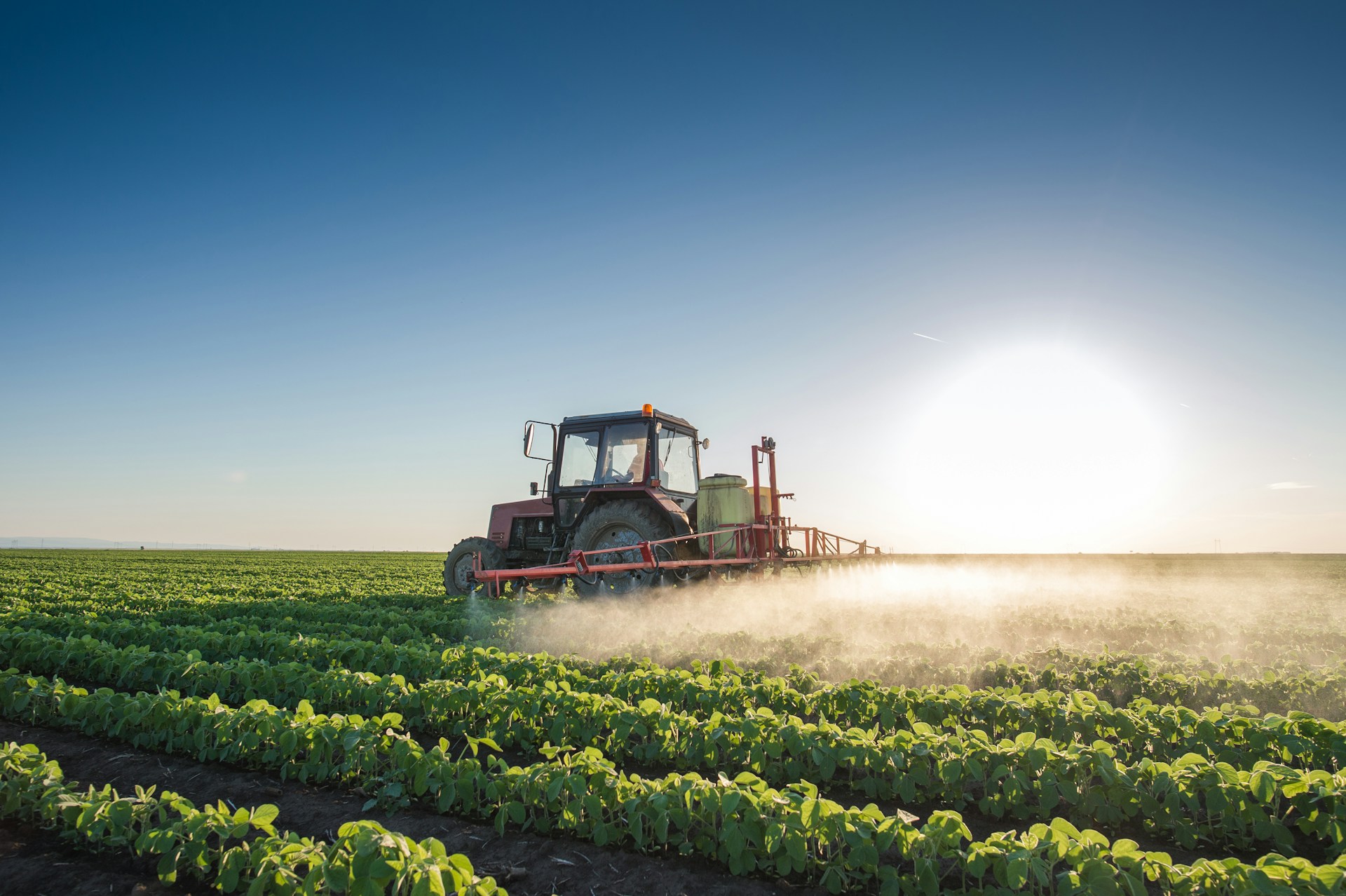
The Foreign Ownership Problem You Can't Structure Around
Here is the issue that sets farmland apart from every other asset in this series, and it has to come before the risk list because it can decide whether an offering is legal at all. Agricultural land is the most restricted class of real estate in the world when it comes to foreign ownership, and those restrictions have been tightening fast, not loosening. A growing number of jurisdictions limit or ban ownership of farmland by foreign individuals, foreign companies, or foreign governments, and the trend across recent years has been steadily toward more restriction, not less.
For a tokenized deal, this is not background regulatory noise. It goes to the heart of the pitch. Every other article in this series leans on the same move: the SPV holds the asset, the tokens are a claim on the SPV, and that claim opens the deal to a wider pool of investors. For farmland, that move is often exactly what the law is aimed at. Many restrictions reach through the entity, covering indirect ownership via companies and interests in them, so "the SPV holds the title and the token is a claim on the SPV" does not sidestep a foreign-ownership rule. In this asset class, it may be precisely the thing the rule targets.
There are two more wrinkles worth knowing. In some jurisdictions, foreign holders of agricultural land face disclosure obligations to the government, and certain deals can draw national-security review, with proposals in places to force the sale of land held in breach. And in parts of Europe, pre-emption rights let neighboring farmers or state agencies step in when farmland changes hands, and a secondary token transfer is a change of hands. That can collide directly with the promise of easy secondary trading.
The practical consequence is specific to farmland and worth stating plainly: the whitelist in a farmland token has to filter not just by KYC and investor status, but by citizenship and residency, with the rules set by wherever the land physically sits. This is the one asset class in this series where the standard promise of a broad, cross-border investor base has to be seriously qualified. Depending on the land's location, the eligible pool may be much narrower than the technology allows, and the offering has to be built around that from the start, not adjusted after.
Where the Risk Sits
Farmland is stable in the long run and exposed in the short. The risks are real and specific, and an issuer should name them plainly.
Weather and yield. This is the risk that has no equivalent in built real estate. Drought, flood, frost, or pests can cut a harvest, and with it the income behind a harvest-linked token. Lease-based tokens are insulated, because the farmer pays rent regardless of their season, but they're not immune: a farmer whose crops keep failing eventually can't pay the lease. Weather is the base-layer risk of the whole asset class.
Water rights. In much of the world, land without water is worth a fraction of land with it, and water rights are a separate, often complicated legal question from the land title itself. A tokenized farmland deal that doesn't make its water situation explicit is hiding one of the most important variables in the asset. This deserves as much attention in the disclosure as the deed.
Commodity prices. The income from farming rises and falls with the price of the crop, which is set by global markets no farmer controls. A good harvest into a weak market can still mean a bad year. Harvest-linked tokens carry this directly; lease-based tokens carry it indirectly, through the farmer's ability to keep paying.
Operator dependency. For most tokenized farmland, someone else does the farming. The income depends on that operator being competent and solvent. A weak or failing farm operation undermines the token even on good land, and farm businesses do fail, which is a live concern in agriculture.
Subsidy dependence. In many regions, government support, direct farm payments and program subsidies, is a real part of a farm's economics. Who collects that support, the landowner or the tenant farmer, is set by the lease and feeds directly into what the land can charge in rent, and therefore into the cash flow behind the token. A tokenized deal in a subsidy-heavy market that ignores this is missing part of the income picture.
Currency mismatch. This one is specific to tokenization and sharper in farming than in most real estate. Major crop prices are set globally in dollars, while the land, the lease, and the local costs sit in the local currency, and token distributions usually go out in a dollar-pegged stablecoin. So the income can be formed across two currencies at once, and the holder is paid in a third reference point. On a fixed-income token it hits coverage directly. It's manageable, but only if it's designed for rather than discovered later.
Lender consent. Farmland is often mortgaged, in some markets through dedicated agricultural credit systems. Those loans carry the same kind of change-of-control terms as any other, and the secondary transfers that make a token attractive are exactly what they watch. It's a conversation to have with the lender before the raise, not at closing.
Liquidity. As with any tokenized real estate, secondary trading is thin and a token may not be redeemable on demand. Farmland's long-hold nature makes this sharper: it's an asset measured in years and decades, so a holder wanting a quick exit may not find one.
These tokens are securities. They answer to securities law in most jurisdictions, structured inside a recognized exemption, the same as any tokenized real estate raise.
When Farmland Tokenization Makes Sense
It fits well for the patient side of a portfolio. Farmland's appeal, stable long-term value, inflation resistance, low correlation with markets, is real, and tokenization makes that appeal reachable without buying a whole farm and finding someone to run it. For a landowner or fund, it opens a way to raise capital against land, or to bring in investors, without selling the asset outright or waiting for a single large buyer.
Where it fits poorly is anywhere the fundamentals are shaky. Land without secure water, exposed to a single volatile crop, or run by an unproven operator carries risk that tokenization spreads but doesn't cure. And farmland's long horizon makes it a poor match for anyone selling it as a quick or liquid return; the honest framing is patient capital, not fast money.
Tokenization doesn't make it rain or bring in the harvest. It finances land that already produces, by opening it to a wider pool of eligible investors under the issuer's own brand, on a compliant rail, with distributions handled automatically. The eligible part matters more here than anywhere else, because farmland's ownership rules can narrow that pool sharply depending on where the land sits. The land, the farming, and the ownership rules all have to line up first. A landowner or fund weighing this for a specific parcel or portfolio can look at how the platform handles it and talk through the structure, the lease or harvest model, the valuation approach, and the ownership limits that apply to their actual land.
Frequently Asked Questions
Can you tokenize farmland? Yes. Agricultural land is tokenized the same way as any property: the land goes into an SPV that holds the deed, and tokens represent a claim on that entity. What's specific to farmland is that the token can be built on lease income, on harvest revenue, or on the land's appreciation, and that choice shapes the risk and the payout.
How do investors earn from tokenized farmland? Two ways, sometimes together. Lease income comes from renting the land to a working farmer, and is paid to holders on a schedule. Appreciation is the gain in the land's value over time, realized when the land or the token is sold. Some deals also structure a debt token that pays a yield from harvest revenue.
Can foreign investors buy tokenized farmland? Often not, or only partly, and this is the single most important thing to check. Agricultural land is heavily restricted for foreign ownership in many places, and those rules frequently reach through legal entities, so holding the land in an SPV doesn't automatically get around them. A farmland token's whitelist usually has to filter by citizenship and residency, not just KYC, based on where the land sits. It's the one asset class where the reachable investor pool can be far narrower than the technology allows.
What's the biggest risk in tokenized farmland? Two kinds, and they're different in nature. Legally, it's foreign-ownership restrictions, which can limit who's even allowed to hold the token. Operationally, it's weather and water: a harvest depends on the season, and the land's value and productivity depend on secure water rights. A deal that doesn't address all three clearly is hiding its most important risks.
Is tokenized farmland a liquid investment? Not really. Farmland is a long-hold asset by nature, and while a token can in principle be transferred on a secondary market, that market is still thin. It suits patient capital, not anyone who might need a fast exit.
This article is for informational purposes only and does not constitute investment, legal, or tax advice. Farmland tokenization carries foreign-ownership, weather, water-rights, commodity-price, subsidy, operator, currency, lender-consent, and liquidity risk; do your own due diligence and consult qualified counsel before issuing or investing in any tokenized agricultural asset.
Share this post
Build your own tokenization business with Tokenizer.Estate
Tokenizer.Estate provides a full end-to-end solution — from legal setup to blockchain infrastructure — to help you launch your project with confidence
Book a Free Consultation